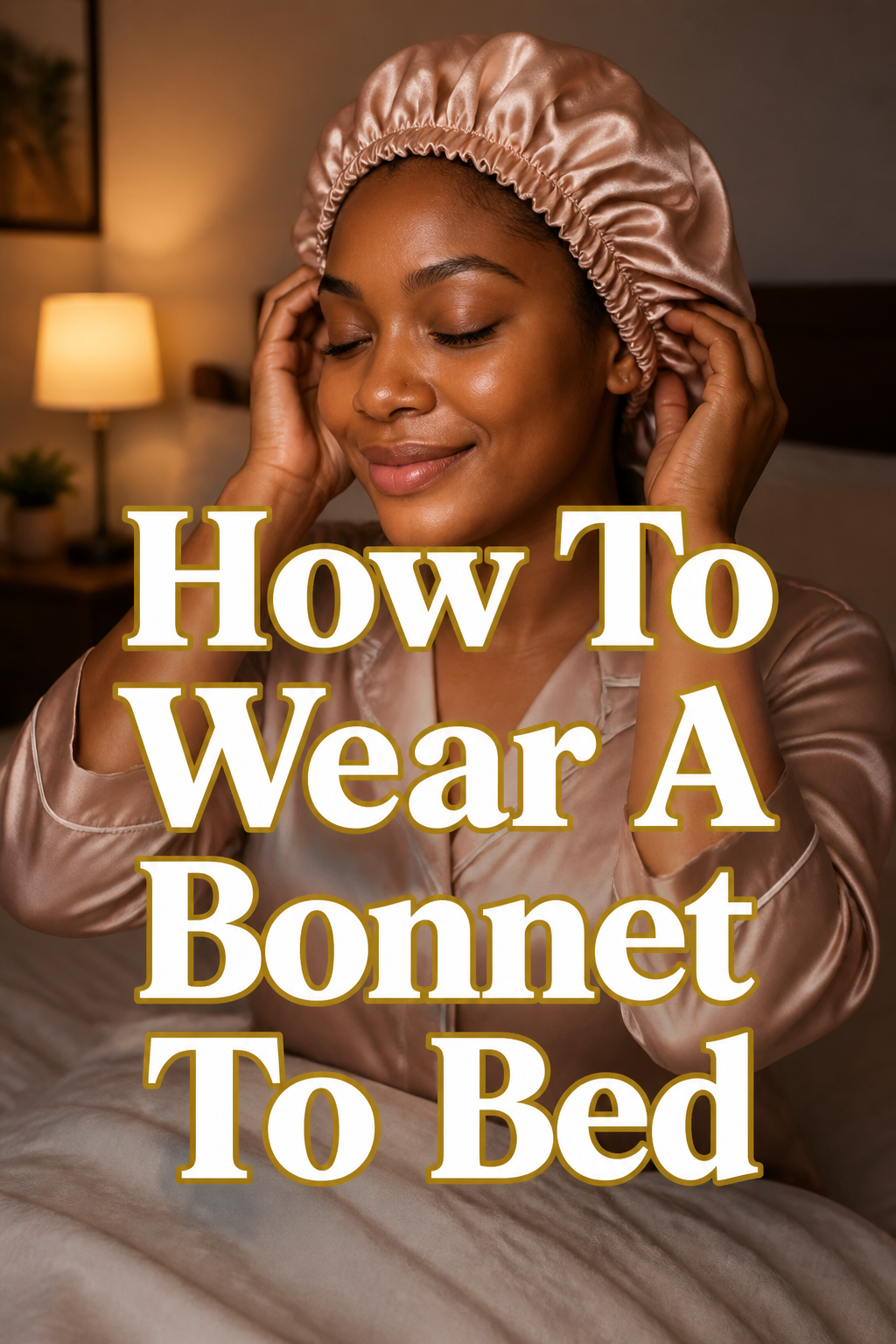
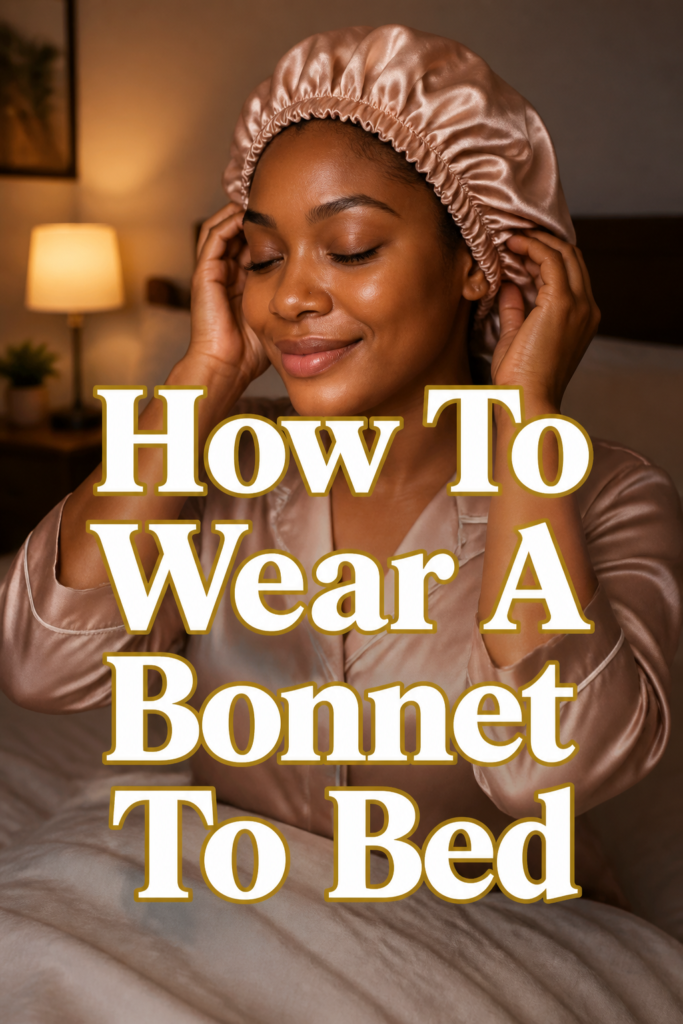
🌙 How To Wear A Bonnet To Bed
Wearing a bonnet to bed can truly transform your hair health. It protects your strands from friction, preserves moisture, and keeps your hairstyle intact. I started using a bonnet years ago, and it completely changed my morning routine. This guide shares all the practical steps I’ve learned to make it work for you.
Quick Overview
This guide will show you how to properly wear a bonnet to bed, ensuring maximum hair protection and comfort. You will learn the best techniques for various hair types and styles. By the end, you’ll be ready for consistently good hair days.
- Time needed: 5-10 minutes (for your nightly routine)
- Difficulty: Beginner
- What you’ll need: A satin or silk bonnet, a hair tie or scrunchie (optional), your usual nightly hair products (optional)
Step-by-Step Instructions
Step 1: Choose the Right Bonnet Material and Size
The material of your bonnet makes a huge difference. Satin and silk are the top choices because they are smooth and reduce friction. Cotton can absorb moisture from your hair, which is counterproductive.
Select a bonnet that fits your head comfortably without being too tight. It should also be large enough to hold all your hair without squishing it. A well-fitting bonnet stays put all night.
Pro Tip: Silk is often more luxurious and breathable, while satin offers similar benefits at a more affordable price point. Both are excellent choices for hair protection.
Step 2: Gently Detangle Your Hair
Before putting on your bonnet, ensure your hair is free of knots. Detangling prevents breakage and makes it easier to style your hair for bed. Use a wide-tooth comb or a detangling brush.
Work through your hair gently, starting from the ends and moving up to the roots. This minimizes stress on your strands. Ensure your hair is mostly dry to avoid mildew or dampness inside the bonnet.
Step 3: Apply Your Nightly Hair Products (Optional)
This is the perfect time to apply any leave-in conditioners, oils, or serums. Your bonnet will help seal in these products. This allows them to work their magic overnight.
Distribute your chosen products evenly through your hair. Focus on areas that tend to get dry or frizzy. Less is often more with products, so start with a small amount.
Step 4: Style Your Hair for the Bonnet
How you arrange your hair before putting on the bonnet affects your morning results. Different styles work for different hair types and desired outcomes. The goal is to minimize tangles and preserve your style.
Consider a loose pineapple bun for curly hair. Gather your hair into a high ponytail on top of your head, securing it with a soft scrunchie. This keeps curls from being flattened.
Try loose braids or twists for wavy or straight hair. This helps prevent tangles and can create soft waves. You can also simply gather all your hair loosely at the crown.
Step 5: Gather All Your Hair
Once styled, gently gather all your hair to prepare for the bonnet. Ensure no stray pieces are left hanging down. This makes sure everything is protected.
Sweep your hair up towards the top of your head. Keep the base of your neck and ears clear. This prevents discomfort and ensures a secure fit for the bonnet.
Step 6: Place the Bonnet Over Your Head
There are a couple of ways to put on a bonnet. Some people prefer to start from the front. Others find it easier to begin from the back. Experiment to see what feels best for you.
Start by placing the elastic band of the bonnet at your hairline, just above your forehead. Then, pull the bonnet back over your hair, tucking all your strands inside.
Alternatively, you can tilt your head forward and scoop all your hair into the bonnet from the nape of your neck upwards. This method can be especially good for very long or voluminous hair.
Step 7: Adjust for Comfort and Security
Once the bonnet is on, make sure it feels comfortable. The elastic should not be too tight or too loose. A well-adjusted bonnet will stay on all night.
Gently pull the bonnet down so the elastic rests comfortably around your hairline. Ensure it covers all your hair. Check that no hair is trapped outside the bonnet.
Step 8: Perform a Final Check
Before you settle down for the night, do a quick inspection. This ensures everything is in place for optimal hair protection. A few seconds now can save you frustration later.
Feel around the edges of the bonnet. Confirm that all your hair is tucked inside. Make sure the bonnet isn’t twisted or creating pressure points.
Step 9: Sleep Soundly
Now that your hair is protected, you can enjoy a peaceful night’s sleep. Rest easy knowing your hair is safe from friction and moisture loss. This contributes to healthier hair over time.
Lie down as you normally would. Your bonnet should stay in place. If it feels uncomfortable, make small adjustments before you fall asleep.
Step 10: Remove the Bonnet in the Morning
When you wake up, carefully remove your bonnet. Avoid yanking it off, as this can disturb your protected hairstyle. Gentle removal is key to preserving your hair.
Lift the bonnet gently from the back of your head, then pull it forward and up. Release your hair from its protective embrace. You should find your hair much less tangled and frizzy.
Common Mistakes to Avoid
Wearing a Dirty Bonnet
Using a dirty bonnet can negate all its benefits. Bonnets absorb natural oils, sweat, and product residue from your hair and scalp. Reusing a dirty bonnet can transfer these back onto your clean hair. This can lead to scalp issues or product buildup. Always wash your bonnet regularly, ideally once a week or more if you use many products.
Choosing the Wrong Size or Material
A bonnet that is too small will squish your hair, leading to dents and discomfort. One that is too large will slip off during the night. The material also matters significantly. Cotton bonnets absorb moisture, which defeats the purpose of wearing one. Always opt for satin or silk and choose a size that comfortably accommodates all your hair.
Pulling Hair Too Tight
Securing your hair too tightly before putting on the bonnet can cause tension and breakage. This is especially true around the hairline. Styles like very tight ponytails or braids can strain your roots. Keep your hair arrangement loose and gentle. Use soft scrunchies if you need to tie your hair back before the bonnet.
Forgetting to Prepare Hair
Skipping the detangling and product application steps reduces the effectiveness of your bonnet. Putting tangled hair into a bonnet can worsen knots overnight. Dry hair will still be dry and prone to frizz without a leave-in. Proper preparation ensures your hair benefits fully from the bonnet’s protective environment.
Troubleshooting
Bonnet Keeps Slipping Off
If your bonnet slides off during the night, it might be too large or the elastic is stretched out. Try a bonnet with an adjustable band or a smaller size. You can also try sleeping on a satin or silk pillowcase as an extra layer of protection, even if your bonnet slips. Sometimes, placing the bonnet slightly further back on your head can improve its grip.
Hair Still Frizzy in the Morning
Persistent frizz despite wearing a bonnet could indicate a few issues. Your hair might need more moisture before bed; try a heavier leave-in conditioner or hair oil. Ensure your bonnet is satin or silk, as other materials can still cause friction. Also, check that all your hair is fully contained within the bonnet, especially around the edges.
Bonnet Feels Too Tight or Uncomfortable
A tight bonnet can cause headaches, hairline tension, or leave marks on your skin. This usually means the bonnet is too small or the elastic is too restrictive. Look for bonnets labeled “jumbo” or “extra-large” if you have a lot of hair. Adjustable bonnets allow you to customize the fit. If discomfort persists, consider a different style of head covering, like a silk wrap.
Key Takeaways
- Always choose a satin or silk bonnet to minimize friction and preserve moisture.
- Gently detangle your hair and apply products before putting on your bonnet.
- Style your hair loosely (like a pineapple or loose braids) to prevent dents and tangles.
- Ensure your bonnet fits comfortably – not too tight, not too loose – to stay on all night.
- Wash your bonnet regularly to maintain hygiene and effectiveness.
- Avoid pulling your hair too tightly inside the bonnet to prevent breakage.
Frequently Asked Questions
How often should I wash my bonnet?
You should wash your bonnet at least once a week. If you use a lot of hair products or sweat a lot, consider washing it every 2-3 nights. Regular washing prevents product buildup, oil transfer, and keeps your bonnet fresh.
Can bonnets cause hair loss?
No, bonnets themselves do not cause hair loss. In fact, they help prevent hair loss by reducing friction and breakage. However, if your bonnet is consistently too tight, the constant tension around your hairline could contribute to traction alopecia over time. Always ensure a comfortable, loose fit.
What’s the difference between satin and silk?
Silk is a natural fiber produced by silkworms, known for its luxurious feel and breathability. Satin is a weave, not a fiber, and can be made from various materials like polyester (synthetic satin) or silk (silk satin). Both offer a smooth surface beneficial for hair, but silk is generally more expensive and often considered superior for breath and natural properties.
Can men wear bonnets?
Absolutely! Bonnets are for anyone who wants to protect their hair, regardless of gender. Many men with longer hair, curls, waves, or protective styles use bonnets to maintain their hair’s health, prevent frizz, and extend their styles. Hair care is universal.
Our Top Recommended Finds
- Satin Bonnet: An affordable and effective choice for everyday hair protection. Look for options with an adjustable band.
- Silk Bonnet: A premium option offering superior breathability and luxurious feel, great for sensitive scalps.
- Wide-Tooth Comb or Detangling Brush: Essential for gently preparing your hair before bonnet application, minimizing breakage.
Embrace Your Best Hair Days
Adopting a bonnet into your nightly routine is a small change with significant benefits for your hair. It’s an investment in healthier, more manageable strands. No more waking up to frizzy, tangled messes. Instead, you’ll greet the day with hair that feels soft, moisturized, and ready to style.
Start tonight. Pick out a comfortable bonnet, prepare your hair, and experience the difference. Your hair will thank you for this simple act of self-care. This one step can truly transform your hair journey.