👖 How To Dress To Look More Slim
For years, I struggled with finding clothes that truly flattered my figure. It felt like a constant battle against unflattering cuts and confusing style advice. Learning to dress strategically transformed my confidence and how I saw myself in the mirror.
This guide shares the practical insights I’ve gathered, helping you navigate your wardrobe with purpose. You’ll discover how simple styling choices can make a significant difference in how you look and feel.
Quick Overview
This guide will equip you with the fundamental principles of dressing to create a more streamlined silhouette. You’ll learn how to choose garments, fabrics, and accessories that enhance your natural shape.
- Time needed: 30-60 minutes (to read and absorb, more for wardrobe audit)
- Difficulty: Beginner
- What you’ll need: Your current wardrobe, a full-length mirror, an open mind
Step-by-Step Instructions
Step 1: Understand Your Body Shape First
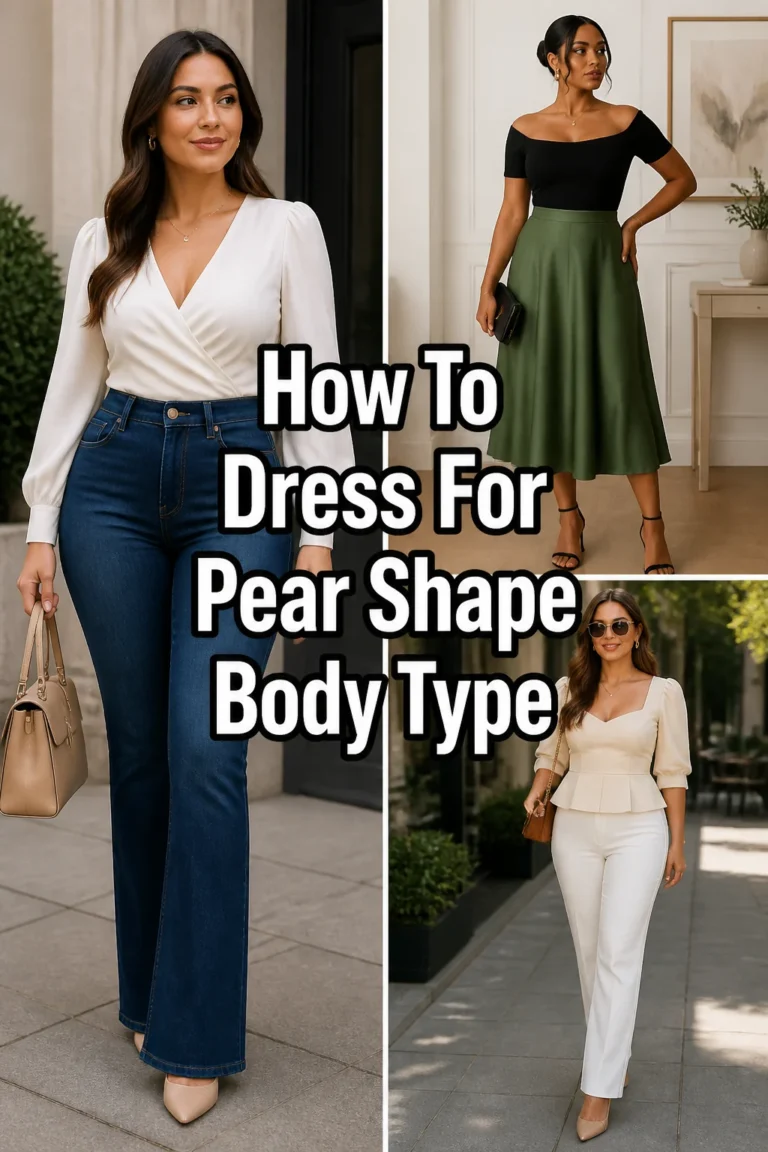
Before you can dress to look slimmer, you need to know your starting point. Different body shapes benefit from different approaches. Are you an apple, pear, hourglass, rectangle, or inverted triangle?
Knowing your shape helps you highlight your best features and balance your proportions. This isn’t about hiding, but about creating harmony.
- Identify where you carry most of your weight.
- Note your waist definition, or lack thereof.
- Observe the width of your shoulders versus your hips.
Pro Tip: Stand in front of a mirror in form-fitting clothes (like leggings and a tank top). Trace your outline mentally or even on paper to get a clearer picture of your shape.
Step 2: Embrace Vertical Lines and Monochrome
Vertical lines naturally draw the eye up and down, creating an illusion of length. This elongates your frame, making you appear taller and leaner.
Monochromatic outfits, where you dress in variations of a single color, also contribute to this effect. They remove visual breaks that can cut your body into segments.
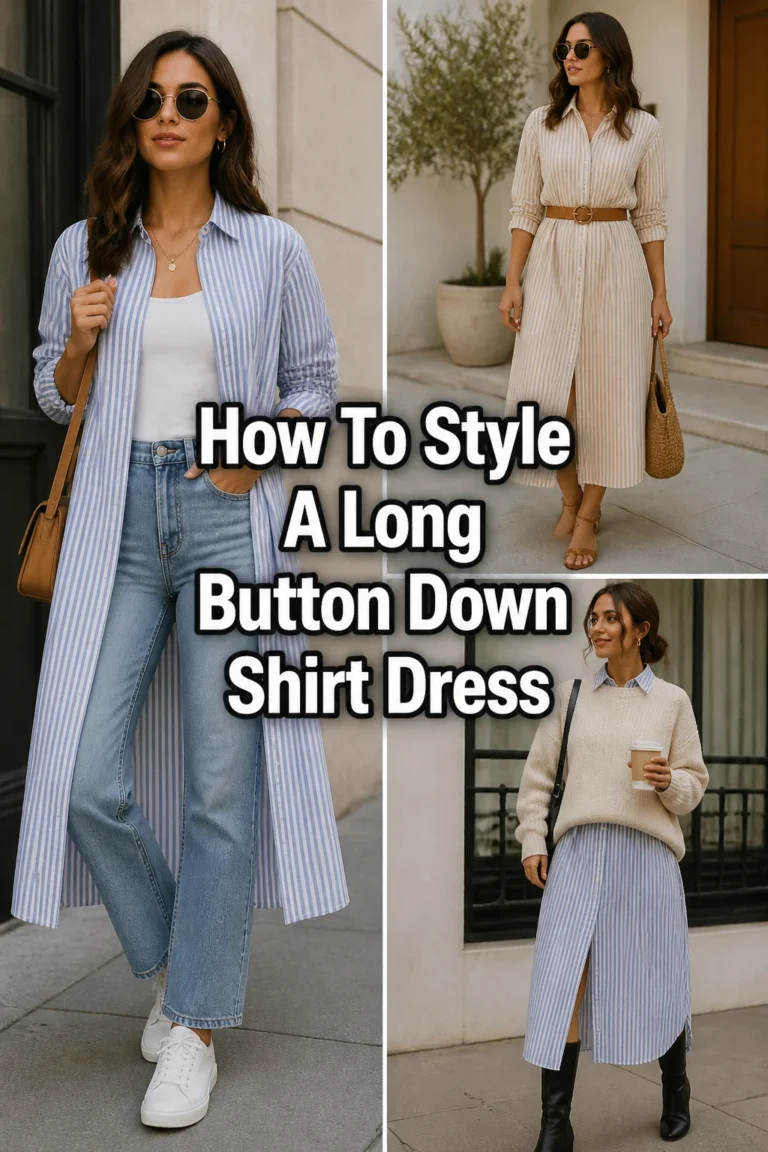
- Choose pinstripes, vertical seams, or long necklaces.
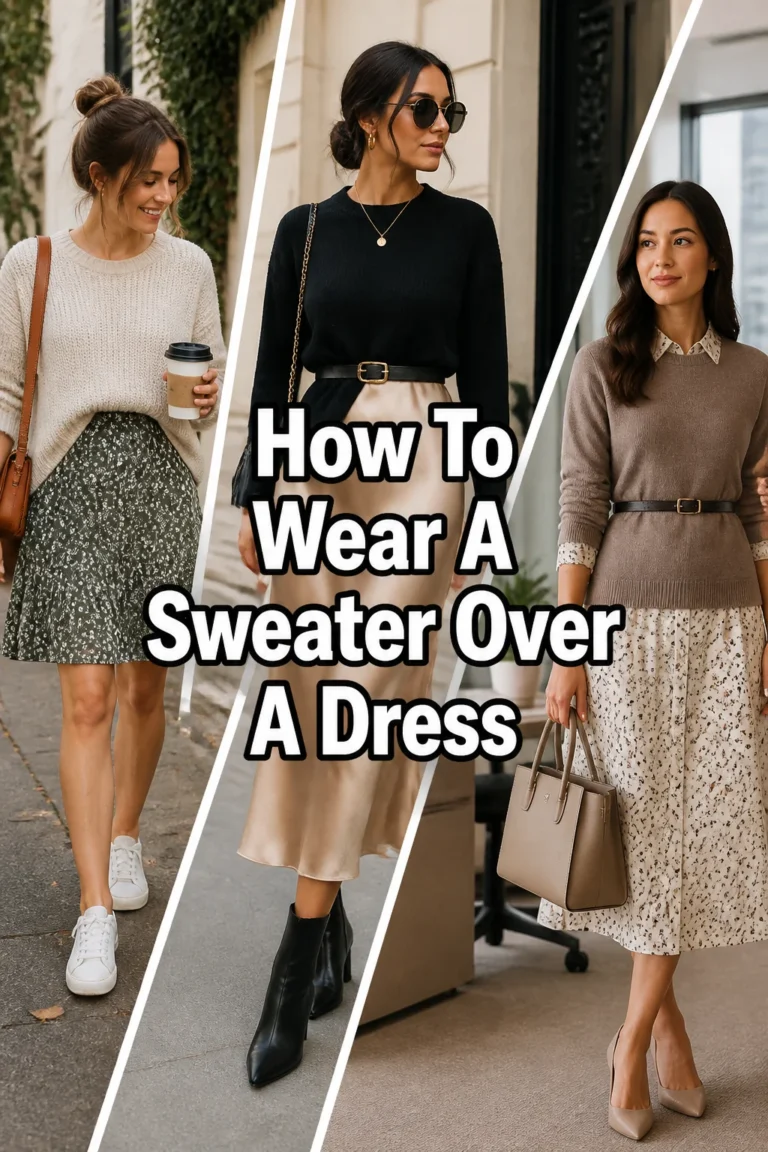
- Opt for cardigans or open blazers that create vertical lines down your torso.
- Wear similar shades from head to toe, like a navy top with dark wash jeans.
- Experiment with different textures within your monochromatic look for interest.
Step 3: Master the Art of Proper Fit
This is perhaps the most crucial step. Clothes that are too tight will cling and emphasize every curve, while clothes that are too baggy will add bulk. A perfect fit skims your body without constricting it.
Ill-fitting garments can actually make you look larger than you are. Focus on clothes that are tailored to your specific measurements.
- Ensure shoulders seams sit precisely on your shoulder bone.
- Check that pants and skirts aren’t pulling or sagging anywhere.
- Look for tops that gently follow your torso’s natural curve, rather than stretching or bagging.
- Invest in tailoring for key pieces like blazers and trousers.
Step 4: Choose Darker Colors Strategically
Darker colors absorb light, which naturally creates a slimming effect. This is not to say you should only wear black, but strategic use of dark hues can be incredibly effective.
Use darker shades on areas you wish to minimize. Lighter colors, which reflect light, can be used to highlight areas you want to draw attention to.
- Wear dark wash jeans or trousers for a sleek lower half.
- Select dark-colored tops or dresses for a more streamlined torso.
- Combine dark foundations with pops of lighter color in accessories or outer layers.
Step 5: Utilize Shapewear and Supportive Undergarments
Good foundations can smooth out bumps and create a seamless base for your clothes. Shapewear isn’t about squeezing yourself into a different size; it’s about refining your natural silhouette.
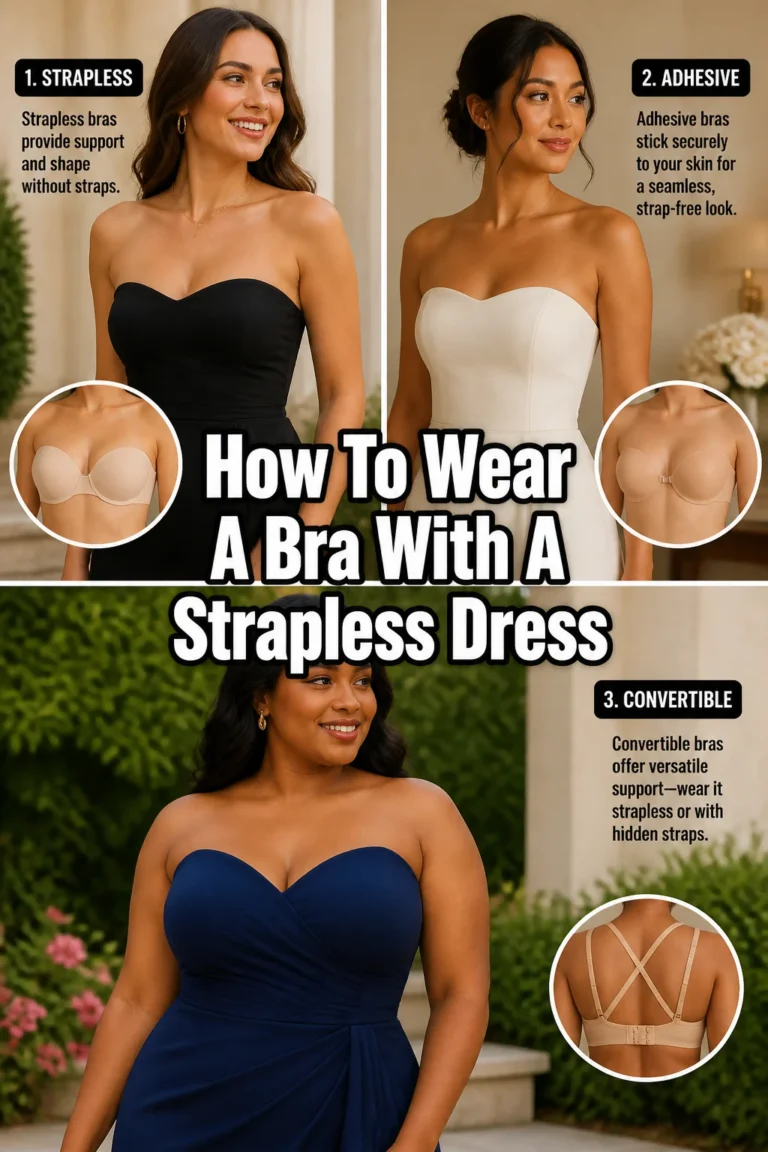
A well-fitting bra is also transformative, lifting and separating to improve your posture and proportions. It can make a significant difference in how your clothes drape.
- Invest in high-quality shapewear that provides gentle compression.
- Find a bra that offers excellent support and lift for your bust size.
- Ensure undergarments don’t create visible lines or bulges under your clothing.
Pro Tip: Always try on shapewear before buying to ensure comfort and effectiveness. You should be able to breathe and move easily.
Step 6: Focus on Fabric Choice and Drape
The fabric of your clothes plays a huge role in how they fall on your body. Stiff, bulky fabrics can add volume, while flimsy, clingy materials can highlight every imperfection.
Opt for fabrics that have a good weight and drape beautifully. Materials that skim the body without clinging are ideal.
- Choose fabrics like rayon, modal, silk blends, or quality knits.
- Avoid overly thick corduroy, heavy tweed, or very stiff denim for overall slimming.
- Look for garments with a slight stretch for comfort and a smooth finish.
- Select fabrics that hold their shape but still move with you.
Step 7: Elongate Your Legs with High-Waisted Bottoms and Proper Hemlines
High-waisted pants and skirts create the illusion of longer legs by extending the perceived length of your lower half. This also helps define your waist, even if it’s not naturally prominent.
The right hemline can also make a big difference. Skirts and dresses that hit just below the knee or at the ankle are often most flattering.
- Pair high-waisted bottoms with tucked-in tops or cropped sweaters.
- Ensure pants are long enough to cover the top of your shoes, especially with heels.
- Choose skirts that hit the narrowest part of your leg, usually just below the knee.
- Consider monochromatic shoes with your pants to further extend the leg line.
Step 8: Accessorize Mindfully
Accessories can either enhance or detract from your slimming efforts. The key is to use them to draw attention to your best features and create vertical lines.
Avoid bulky, overpowering accessories that add visual weight. Instead, opt for elegant, elongating pieces.
- Wear long necklaces that create a vertical line down your torso.
- Choose scarves that can be draped vertically rather than wrapped thickly around your neck.
- Select belts that cinch your waist at its narrowest point, creating an hourglass shape.
- Opt for pointed-toe shoes, which can make legs appear longer than rounded toes.
Common Mistakes to Avoid
Wearing Clothes That Are Too Tight
Many people mistakenly believe that squeezing into a smaller size will make them look slimmer. In reality, overly tight clothing creates bulges and emphasizes every curve, making you look larger and uncomfortable. The fabric pulls and stretches in unflattering ways. Always opt for clothes that fit comfortably and skim your body without constriction.
Choosing Overly Baggy or Shapeless Garments
On the other end of the spectrum, drowning yourself in oversized or shapeless clothes also won’t make you look smaller. These garments add unnecessary volume and hide your natural shape entirely, making you appear larger and less defined. While relaxed fits can be stylish, ensure there’s still some structure or definition, perhaps by pairing a loose top with fitted bottoms or belting a flowing dress.
Ignoring Proportions and Balance
A common error is not considering how different pieces balance each other. For example, pairing a voluminous top with a wide-leg pant can create an overall bulky silhouette. Similarly, wearing short tops with low-rise pants can visually shorten your torso and emphasize your midsection. Always aim for balance: if one piece is loose, make the other more fitted, and pay attention to where hemlines and waistlines fall on your body.
Wearing Visible Undergarment Lines
Visible bra lines, panty lines, or the outline of shapewear can instantly detract from a smooth, polished look. These lines create visual breaks and lumps that disrupt the seamless silhouette you’re trying to achieve. Invest in seamless underwear and shapewear, and always check your outfit in various lighting to ensure your foundations are invisible.
Troubleshooting
My Clothes Still Feel Bulky Even When They Fit
If your clothes fit but still feel bulky, the issue might lie in the fabric choice or layering. Heavy, stiff fabrics can add visual weight, and too many layers create bulk. Try opting for lighter, drapier fabrics like rayon or modal. When layering, choose thinner, more streamlined pieces, and ensure your outermost layer, like a cardigan, creates a vertical line rather than adding width.
I Can’t Seem to Define My Waist
Defining the waist is a common challenge, especially for certain body types. The solution often involves strategic cinching and visual tricks. Use a belt at the narrowest part of your torso, even if it’s slightly above your natural waist. Experiment with peplum tops or dresses that flare out below the waist. Also, choosing tops that are tucked in or cropped can create a break that defines the waistline more clearly.
My Legs Still Look Short
If you’re struggling to achieve longer-looking legs, revisit your pant length and shoe choices. Pants that are too short or that gather excessively at the ankle can shorten the leg line. Ensure trousers and jeans are long enough to skim the top of your foot or just touch the floor with your chosen shoes. Pointed-toe shoes, especially in a nude color or matching your pants, can significantly extend the visual length of your legs. High-waisted bottoms are also key here.
Key Takeaways
- Understanding your unique body shape is the foundation for effective styling.
- Vertical lines and monochromatic outfits create a powerful elongating effect.
- Proper fit is paramount; clothes should skim your body, not cling or bag.
- Strategic use of dark colors can minimize areas, while lighter colors highlight.
- Supportive undergarments smooth your silhouette and improve posture.
- Fabrics that drape well enhance your shape without adding bulk.
- High-waisted bottoms and appropriate hemlines elongate the lower body.
- Mindful accessorizing can draw attention and create vertical flow.
Frequently Asked Questions
Can I still wear patterns and prints?
Absolutely! The key is to choose patterns wisely. Opt for smaller, more subtle prints rather than large, bold ones, which can add visual volume. Vertical stripes are excellent, but even abstract patterns can work if they have a vertical flow or are on a darker background. Place patterns on areas you wish to highlight, and solid dark colors on areas you want to minimize.
Should I avoid horizontal stripes completely?
Not necessarily. While wide horizontal stripes can add width, thinner, closely spaced horizontal stripes can sometimes be surprisingly flattering, especially on a well-fitted garment. The perception that all horizontal stripes make you look wider has been challenged by optical illusions. If you love horizontal stripes, try them on a top that fits well and perhaps pair it with a dark, vertical-line-creating outer layer.
What about wearing bright colors?
Bright colors are fantastic for drawing attention. If you want to look slimmer overall, use bright colors strategically. Wear them on parts of your body you want to highlight, like a vibrant top if you have a great décolletage, and pair them with darker bottoms. Or, use bright colors in accessories like a handbag or scarf to add a pop without adding visual bulk to your main silhouette.
How important is posture for looking slimmer?
Posture is incredibly important. Standing tall with your shoulders back and core engaged instantly makes you look more confident, taller, and therefore often slimmer. Good posture naturally elongates your torso and can even help define your waist by pulling your midsection in. It’s a non-clothing adjustment that offers immediate results.
Our Top Recommended Finds
- Quality Shapewear: A good high-waisted brief or full-body shaper can provide a smooth base for any outfit. Look for brands known for comfort and effective compression without feeling restrictive.
- Tailored Dark Wash Jeans: A well-fitting pair of dark wash, high-waisted jeans is a versatile staple. They offer a sleek leg line and pair well with almost anything.
- Long, Draping Cardigan: A lightweight cardigan that falls to mid-thigh or knee length creates excellent vertical lines when worn open. Choose one in a neutral or dark color from a soft, flowing fabric.
Embrace Your Most Confident Self
Dressing to look more slim isn’t about conforming to an ideal. It’s about understanding how clothes interact with your body and using that knowledge to feel your best. These steps provide a toolkit to enhance your natural beauty and boost your confidence.
Experiment with these techniques in your own wardrobe today. Start small, perhaps by focusing on fit or incorporating more vertical lines. You’ll be amazed at the subtle yet powerful transformation.
Ready to explore how color psychology impacts your daily style? Or perhaps discover the best fabrics for your climate? Your journey to a more confident wardrobe has just begun.