👚 How To Tuck In A Shirt For Women
For years, I struggled with the perfect shirt tuck.
It often looked bulky, came undone, or simply felt uncomfortable, leaving me feeling less polished than I wanted.
Through countless attempts and a bit of styling research, I’ve discovered the secrets to a flawless tuck, and I’m here to share them so you can achieve that effortlessly chic look every time.

Quick Overview
This guide will transform your shirt-tucking skills, ensuring a sleek, comfortable, and stylish finish for any outfit.
You’ll learn various techniques to suit different shirts and occasions, moving from a messy tuck to a perfectly tailored appearance.
- Time needed: 5-10 minutes (initially), 1-2 minutes (once practiced)
- Difficulty: Beginner
- What you’ll need: A shirt, pants/skirt, and optionally a belt or shapewear.
Step-by-Step Instructions
Step 1: Choose the Right Shirt and Bottom
Begin by selecting a shirt that complements your desired tuck style. Not all shirts are created equal when it comes to tucking.
Consider the fabric, length, and overall volume of your top. A silk blouse will drape differently than a crisp cotton button-down.
Your chosen bottom, whether high-waisted trousers or a mid-rise skirt, also plays a crucial role in how well your shirt stays tucked and looks.
Step 2: Prepare Your Outfit and Undergarments
Ensure your pants or skirt are already fastened. This creates the essential “pocket” for your shirt to sit within.
Wear appropriate undergarments, especially if you’re opting for a very sleek tuck. Smooth shapewear can prevent unwanted bulges and create a seamless foundation.
A well-fitting bra also contributes to the overall silhouette, impacting how your shirt lays.
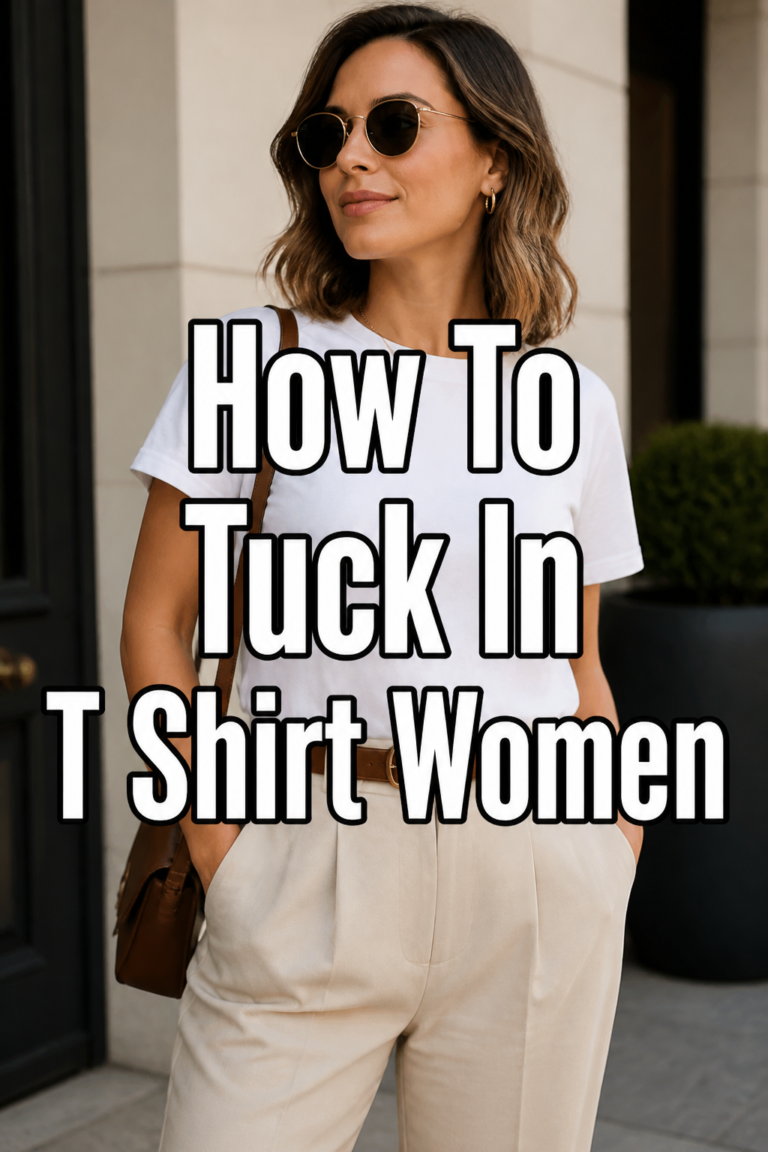
Step 3: The Basic Full Tuck (The Classic)
Put on your shirt and smooth it down over your body. Make sure there are no major wrinkles or bunches at this stage.
Next, carefully take the bottom edge of your shirt and push it all the way into your waistband, working your way around your entire body.
Ensure the shirt fabric is evenly distributed within your pants or skirt, avoiding any large lumps at the back or sides.
Pro Tip: For a clean front, align the shirt placket (the button strip) with the zipper or button closure of your bottom garment. This creates a visually cohesive line.
Step 4: The Half-Tuck (The Effortless Chic)
Identify the front section of your shirt you wish to tuck. This usually involves just the center front or one side.
Gently push only that chosen section into your waistband. Let the rest of the shirt hang loose and untucked.
Experiment with how much fabric you tuck in. A small, subtle tuck can look very different from a more pronounced one that gathers a bit more material.
Step 5: The French Tuck (The Front-Only Tuck)
Focus on tucking just the very front of your shirt, directly above your fly or the center of your skirt.
Push only a small amount of fabric into your waistband. The goal is to create a slight drape on the sides, not a full tuck.
Let the sides and back of the shirt hang completely loose, giving a relaxed yet intentional look that defines your waist subtly.
Pro Tip: The French tuck works beautifully with slightly oversized or longer shirts, preventing them from overwhelming your frame while still showing off your waistline.
Step 6: The Military Tuck (The Ultra-Sleek)
Start with a full tuck as described in Step 3. Ensure the shirt is evenly distributed around your waist.
Next, pull the side seams of your shirt outwards, away from your body. This creates excess fabric at the sides.
Fold this excess fabric inwards, creating a neat pleat along your side seam, and then tuck this pleat tightly into your waistband.
Repeat on the other side, then smooth the front and back for a truly streamlined, custom-fit appearance.
Step 7: The “Blouse” Tuck (For Flowy Tops)
Begin by fully tucking your blouse into your waistband, just like a basic full tuck. Don’t worry about perfection yet.
Once tucked, gently pull the shirt up and out from your waistband by about an inch all the way around.
This creates a soft, billowy effect, allowing the fabric to drape gracefully over your waistband instead of being pulled taut. It’s ideal for flowy fabrics.
Step 8: The Arm Raise and Adjust
Once your shirt is tucked using your preferred method, raise your arms above your head.
This motion allows the shirt to naturally settle and creates a bit of slack, preventing it from feeling too restrictive throughout the day.
After lowering your arms, gently adjust any areas that have come slightly untucked or bunched up. A quick mirror check is always helpful.
Step 9: Smooth and Refine
Run your hands over the tucked area to smooth out any remaining wrinkles or lumps. Check your reflection from all angles.
Ensure the tuck looks natural and intentional, not forced or sloppy. Pay attention to the line where your shirt meets your bottom garment.
A final check for symmetry, especially with half or French tucks, will complete your polished look.
Common Mistakes to Avoid
The “Muffin Top” Effect
This happens when a shirt is tucked too tightly or when the wrong type of fabric is used with a high-waisted bottom.
It can create an unflattering bulge around your midsection, even if you don’t have a “muffin top” inherently.
To avoid this, try a looser tuck or the blouse tuck technique. Also, ensure your bottom garment isn’t too tight, which can exacerbate the issue.
The Uneven or Lumpy Tuck
An uneven tuck occurs when the shirt fabric isn’t distributed smoothly inside your waistband.
This leads to unsightly bumps and lumps that detract from a clean silhouette. It often happens when rushing or not paying attention to the back.
Always take a moment to smooth the fabric all the way around your waist after tucking, ensuring an even distribution of material.
The Too-Tight Tuck
Tucking your shirt in too tightly can restrict movement and feel uncomfortable throughout the day. It also pulls the fabric taut, highlighting any imperfections.
This can make your shirt look stretched and prevent it from draping naturally.
After initially tucking, perform the arm raise and adjustment (Step 8) to create a little give. A slight looseness often looks more elegant and feels better.
The “Pooch” or Front Bulge
Sometimes, especially with longer or thicker shirts, the fabric at the very front can create a bulge or “pooch” above your zipper.
This can make your midsection appear larger than it is and disrupt the smooth line of your outfit.
Try the military tuck technique to remove excess fabric from the sides, which often helps flatten the front. Also, consider the French tuck for bulkier tops.
Troubleshooting
Shirt Comes Untucked Easily
If your shirt constantly pops out, especially when you move, the issue might be the shirt’s length or the tightness of your bottom.
A shirt that is too short for your torso will struggle to stay put. Opt for longer shirts designed for tucking, or try bodysuits for ultimate security.
Also, ensure your pants or skirt are snug enough at the waist to hold the fabric, but not so tight that they push the shirt out.
Too Much Bulk Around the Waist
Having too much fabric gathered at your waist can look messy and feel uncomfortable, especially with thicker shirts or multiple layers.
This often happens with oversized shirts or those made from heavy materials like flannel or denim.
Employ the military tuck to remove excess fabric at the sides. For very bulky shirts, a French tuck or half-tuck might be more appropriate than a full tuck.
Wrinkles Appear Quickly After Tucking
Wrinkles can form rapidly, especially with certain fabrics or if the shirt isn’t smoothed properly before and after tucking.
This can make your outfit look unkempt even shortly after getting dressed.
Start with a freshly ironed or steamed shirt. After tucking, gently pull the shirt up slightly all around your waist to create a little “blouse” effect, reducing tension that causes wrinkles.
Key Takeaways
- Choose wisely: The right shirt and bottom are fundamental to a successful tuck.
- Practice different methods: Experiment with full, half, French, military, and blouse tucks to find what suits your shirt and style best.
- Smooth and distribute: Always ensure the fabric is evenly spread inside your waistband to avoid lumps and bulges.
- Allow for movement: The arm raise adjustment helps settle the shirt and prevents it from feeling too tight or coming untucked.
- Refine your look: A final check and gentle smoothing will elevate your tucked shirt from good to perfectly polished.
- Address common issues: Knowing how to fix a “muffin top” effect or excessive bulk ensures a consistently flattering silhouette.
Frequently Asked Questions
Can I tuck in any type of shirt?
While you can technically tuck in most shirts, some work better than others. Longer, thinner fabrics like silk blouses or tailored cotton shirts are ideal for a full tuck. Cropped or very boxy shirts might be better suited for a half-tuck or left untucked.
What’s the best tuck for high-waisted pants?
High-waisted pants are fantastic for tucking as they offer more coverage and waist definition. A full tuck or a military tuck works wonderfully for a very polished look. The French tuck is also an excellent option for a more relaxed yet still defined waistline.
How do I stop my shirt from puffing out at the back?
Puffing at the back often means there’s too much excess fabric or it’s not evenly distributed. Try the military tuck technique to create neat folds at the sides, pulling the fabric tauter. You can also try pulling the shirt up slightly all around after the initial tuck to create a gentle drape, which can prevent a tight, puffy look.
Should I wear a belt when tucking in a shirt?
Wearing a belt is a great way to further define your waist and secure your tucked shirt. It adds an extra layer of polish and can help hold the shirt in place, especially if your bottom garment is slightly loose. Always put the belt on after you’ve perfected your tuck.
Our Top Recommended Finds
- High-Waisted Trousers: Provide an ideal canvas for tucking, offering a defined waistline and a secure hold.
- Bodysuits: Offer the ultimate secure tuck, never coming undone, perfect for a seamless, smooth silhouette under any bottom.
- Shirt Stays/Garment Grippers: These discreet elastic straps or rubber strips attach to your shirt and socks (for shirt stays) or line your waistband (for grippers) to keep your shirt perfectly in place.
Embrace Your Polished Style Today
Mastering the art of tucking in a shirt is a small detail that makes a significant difference in your overall presentation.
It elevates an outfit, defines your figure, and projects an air of confidence and intention. No more messy, bunchy shirts!
Take these steps, experiment with the techniques, and discover the power of a perfectly tucked shirt. Your wardrobe—and your confidence—will thank you.