🧣 How To Tie Silk Scarf On Head
Tying a silk scarf on your head is more than just a fashion statement.
It’s an art form, a way to express your unique style, or simply a practical solution for a bad hair day.
Having experimented with countless fabrics and folds over the years, I’ve discovered the subtle nuances that transform a simple piece of silk into a chic, secure head covering.
Quick Overview
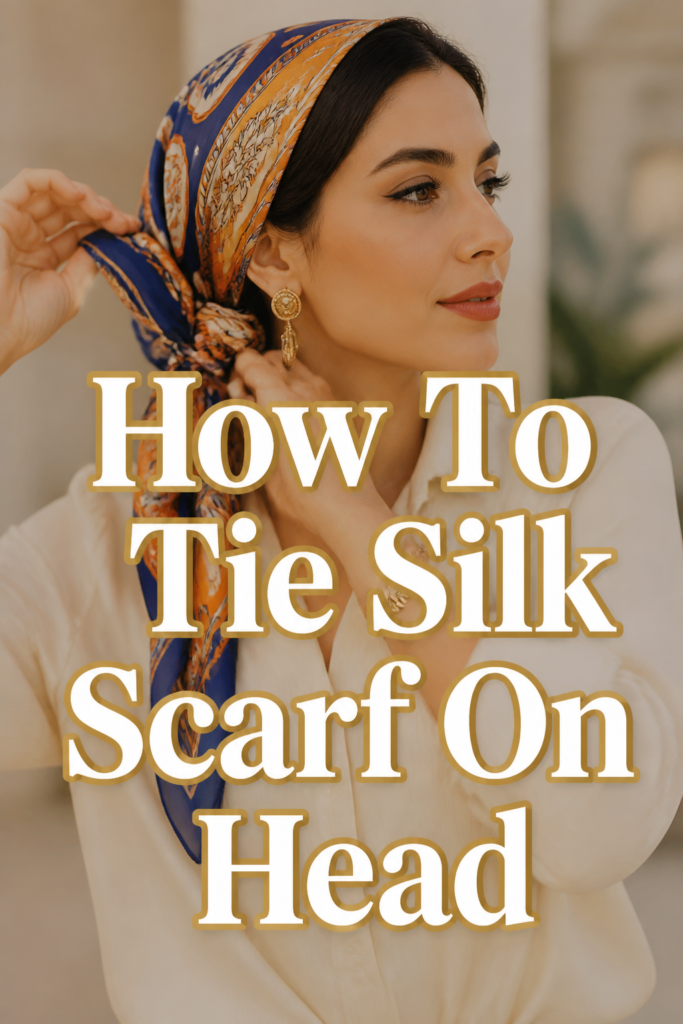
This guide will walk you through creating a stylish and secure head wrap, perfect for any occasion.
- Time needed: 5-10 minutes
- Difficulty: Beginner
- What you’ll need: A silk scarf, hair ties (optional), bobby pins (optional)
Step-by-Step Instructions
Step 1: Choose Your Silk Scarf
Select a silk scarf that complements your outfit and desired look.
For a head wrap, a square scarf around 35×35 inches (90×90 cm) or a larger rectangular scarf works best.
Smaller scarves can create a headband style, offering less coverage.
Pro Tip: Lighter weight silks, like charmeuse or habotai, drape beautifully and are less bulky, making them ideal for head wraps. Heavier silks might feel too warm or create too much volume.
Step 2: Prepare Your Hair
Gather your hair into a low ponytail, bun, or simply leave it down, depending on the look you want.
For a sleeker finish, a low bun or ponytail keeps stray hairs contained under the scarf.
If you prefer volume, rough up your hair a bit or use a volumizing spray before tying.
Ensure your hair is dry and free of tangles to prevent snagging the silk.
Step 3: Fold Your Scarf
Lay your silk scarf flat on a clean surface.
Fold the scarf diagonally in half to form a large triangle.
Next, take the pointed tip and fold it towards the long, folded edge, creating a wider band.
Continue to fold the scarf into a strip about 3-6 inches (7-15 cm) wide, depending on how much coverage you desire.
A wider band offers more coverage and a more substantial look, while a narrower band gives a headband effect.
Step 4: Position the Scarf
Hold the folded scarf strip at the center.
Place the center of the scarf strip at the nape of your neck, just above your hairline.
Ensure the two ends of the scarf are equal in length and hang over your shoulders.
For a different look, you can also start with the center of the scarf at your forehead, bringing the ends to the back.
This creates a more classic “babushka” style or a front-knot turban.
Step 5: Bring Ends Forward
Bring both ends of the scarf forward, over your ears, towards the top of your head.
Cross them over each other once, ensuring the scarf lies flat against your head.
Maintain a gentle tension to keep the scarf snug but not uncomfortably tight.
Smooth out any wrinkles as you go to achieve a polished appearance.
Step 6: Tie the Knot
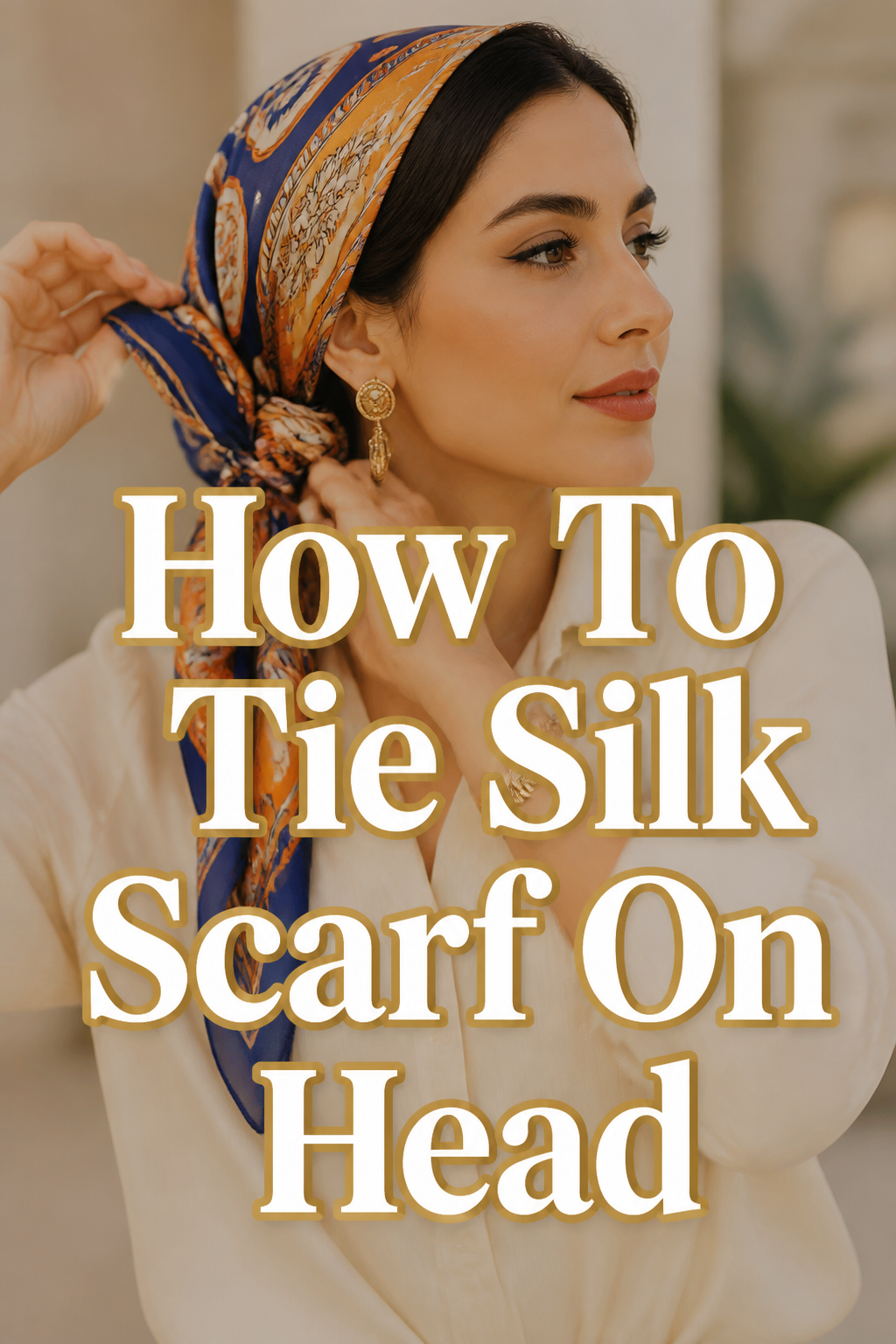
Tie the two ends of the scarf into a secure double knot at the front or side of your head.
You can position the knot centrally on your forehead, slightly off to one side, or even at the very top of your head for a turban-like bun.
Make sure the knot is firm enough to hold the scarf in place throughout the day.
Avoid tying it too tightly, which can cause discomfort or leave marks.
Pro Tip: For extra security and a bit of volume, you can twist the two ends together before tying the knot. This creates a more robust and decorative knot.
Step 7: Tuck and Secure
Once your knot is tied, take the remaining loose ends of the scarf.
Tuck them neatly underneath the main band of the scarf, around the sides of your head.
Use bobby pins if necessary to secure any particularly stubborn ends or to add extra hold.
Ensure all raw edges are hidden for a clean, finished look.
Step 8: Adjust and Refine
Gently adjust the scarf around your head to ensure it feels comfortable and looks symmetrical.
Smooth out any bumps or wrinkles.
Check in a mirror from all angles to make sure the scarf is evenly placed and secure.
A little tug here or there can make a big difference to the overall shape and fit.
Common Mistakes to Avoid
Using the Wrong Scarf Size or Fabric
Trying to tie a tiny bandana as a full head wrap will lead to frustration and insufficient coverage.
Similarly, using a thick, stiff fabric like heavy cotton can result in a bulky, uncomfortable tie.
Always opt for a larger square or rectangular silk scarf for head wraps, and choose lightweight, soft silk for the best drape and comfort.
Tying Too Loosely
A scarf tied too loosely will slip and slide throughout the day, requiring constant readjustment.
This can be incredibly annoying and compromise your style.
Ensure a snug, yet comfortable, fit from the moment you tie it, paying attention to the initial tension when crossing the ends.
Over-tightening the Knot
While a secure tie is important, an overly tight knot can cause headaches and discomfort.
It can also create unflattering indentations on your skin or hair.
Aim for a firm knot that holds without feeling restrictive, allowing for proper circulation and comfort.
Ignoring Hair Preparation
Attempting to tie a scarf over unruly or tangled hair can lead to an uneven look and make the scarf more prone to slipping.
Taking a moment to brush your hair, or gather it into a neat ponytail or bun, provides a smooth foundation.
This small step significantly improves the final appearance and comfort.
Troubleshooting
Scarf Slipping Off
If your scarf consistently slips, the base might not be secure enough or your hair is too smooth.
Try wearing a velvet-lined headband or a non-slip scarf grip underneath the silk scarf to create friction.
You can also lightly tease the hair at your crown before placing the scarf for better grip.
Bulky Knot or Ends
A bulky knot often results from using a very thick scarf or not folding it correctly.
Ensure your scarf is folded into a neat, relatively narrow strip before tying.
For particularly long ends, try twisting them tightly before tucking, which reduces volume and makes them easier to conceal.
Scarf Feels Too Tight/Uncomfortable
Discomfort usually stems from an overly tight initial wrap or knot.
Untie and re-tie, focusing on a firm but gentle tension.
Experiment with where you position the knot; sometimes moving it slightly can alleviate pressure points.
Ensure the fabric is not pulling unevenly on any part of your head.
Key Takeaways
- Choose the Right Scarf: Opt for a large, lightweight silk scarf for optimal drape and comfort.
- Prepare Your Base: Smooth hair or a low bun provides a stable foundation for your headscarf.
- Fold Neatly: A consistent, even fold ensures a clean and less bulky finish.
- Maintain Gentle Tension: Wrap snugly enough to secure, but avoid over-tightening for comfort.
- Secure All Ends: Tuck or pin loose ends for a polished and long-lasting style.
- Practice Makes Perfect: Experiment with different folds and knot placements to find your signature look.
Frequently Asked Questions
What size silk scarf is best for a head wrap?
For a versatile head wrap, a square silk scarf of at least 35×35 inches (90×90 cm) is ideal.
Larger squares (40×40 inches) or rectangular scarves can offer more styling options and coverage.
Smaller scarves are better suited for headband styles or accent ties.
Can I tie a silk scarf on short hair?
Absolutely! Silk scarves look fantastic on short hair.
You might find it easier to use bobby pins to secure the scarf, especially if you have layers that tend to slip out.
Starting the scarf at the forehead and tying at the nape can also provide a more secure fit for shorter styles.
How do I keep my scarf from slipping all day?
Several tricks help prevent slipping. A velvet-lined headband worn underneath creates friction.
You can also use a few well-placed bobby pins, especially around the nape or sides.
Ensuring your initial wrap is snug but comfortable is key, as is a firm knot.
Is it okay to wear a silk scarf to sleep?
Wearing a silk scarf to sleep is a wonderful idea for hair health.
Silk reduces friction on your hair, preventing frizz, tangles, and breakage.
It also helps retain moisture, keeping your hair hydrated overnight.
Our Top Recommended Finds
- Large Square Silk Scarf: A pure mulberry silk scarf (90×90 cm or larger) for luxurious feel and versatile styling.
- Velvet Scarf Grip Headband: An essential accessory to wear underneath your scarf for extra security and to prevent slipping.
- Silk-Covered Bobby Pins: Gentle on hair and blend seamlessly, providing discreet hold without damaging the delicate silk fabric.
Embrace Your Inner Stylist
You now have the tools and knowledge to confidently tie a silk scarf on your head.
This simple accessory can elevate any outfit, protect your hair, and add a touch of personal flair.
Don’t be afraid to experiment with different knots, placements, and scarf sizes.
Grab your favorite silk scarf today and transform your look with this timeless and elegant accessory!