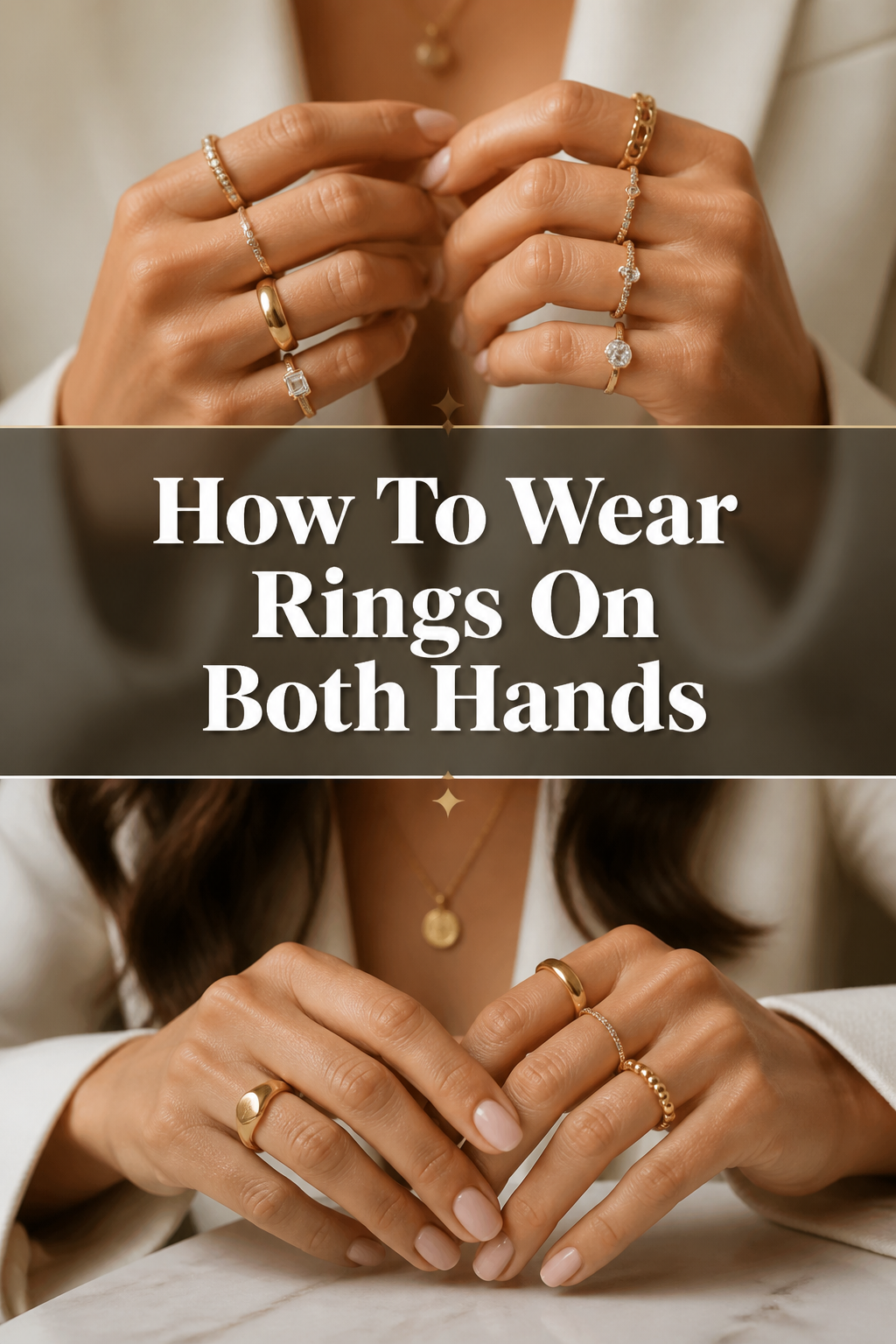
💍 How To Wear Rings On Both Hands
Wearing rings on both hands is an art form, a powerful way to express your personal style and story.
It’s about balance, intention, and creating a cohesive look that feels uniquely you.
Having experimented with countless combinations over the years, I’ve discovered practical strategies to make this look sophisticated and comfortable.
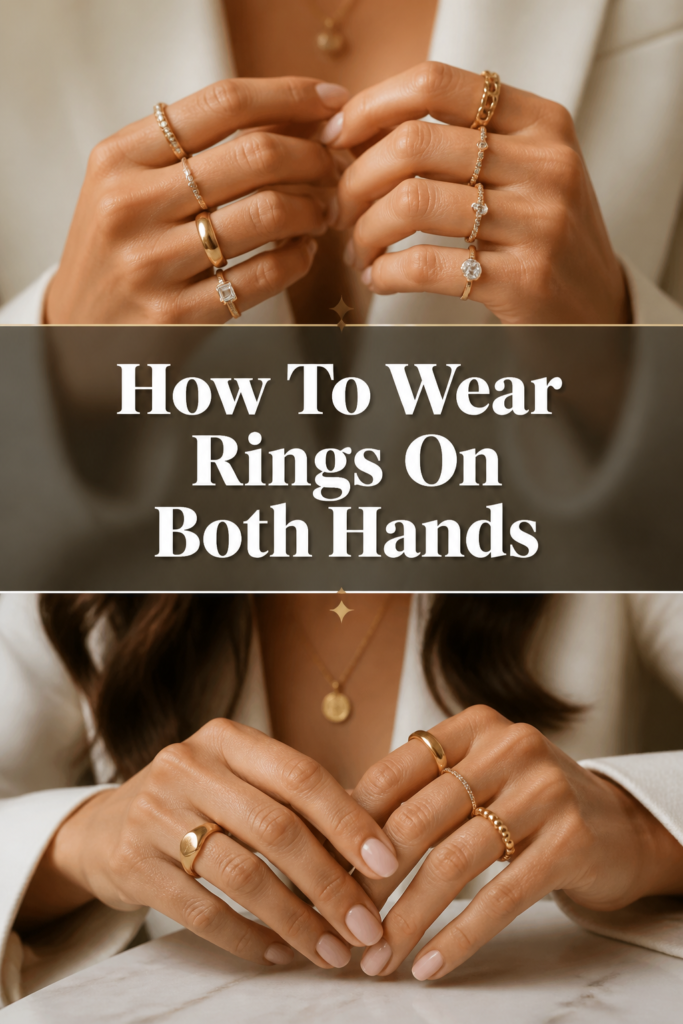
Quick Overview
This guide will equip you with the knowledge to confidently adorn both hands with rings, creating balanced and stylish ensembles.
- Time needed: 30-60 minutes for initial planning and experimentation
- Difficulty: Beginner
- What you’ll need: A collection of rings, a mirror, an open mind
Step-by-Step Instructions
Step 1: Understand Your Hands and Fingers
Before selecting rings, take a moment to observe your hands. Notice their size, the length of your fingers, and your knuckle prominence.
These natural features will influence how rings sit and appear on your hands, guiding your choices for optimal comfort and aesthetics.
Pro Tip: Longer fingers can typically accommodate wider bands and larger stones without looking overwhelmed. Shorter fingers often benefit from thinner bands and daintier designs that elongate the hand.
Step 2: Define Your Personal Style and Intention
Consider the overall aesthetic you want to achieve. Are you aiming for a minimalist vibe, a bohemian stack, or a bold statement?
Think about the message you want your rings to convey. Some rings carry personal or symbolic meaning, while others are purely for fashion.
Having a clear intention helps you curate a collection that truly represents you.
Step 3: Curate Your Ring Collection
Gather all the rings you own. This helps you visualize your options and identify any gaps in your collection.
Look for a variety of metals, stone types, and band widths. A diverse collection offers more flexibility for mixing and matching.
Ensure all rings fit comfortably; ill-fitting rings can be distracting and uncomfortable.
Step 4: Balance the Visual Weight Across Both Hands
The key to wearing rings on both hands successfully is achieving visual balance. Avoid placing all your heaviest or largest rings on one hand.
Distribute the “weight” evenly. If you have a substantial statement ring on your left hand, balance it with several smaller rings or a medium-sized ring on your right.
Step back and look at your hands in a mirror to assess the overall symmetry and harmony.
Step 5: Strategically Place Rings on Each Finger
Each finger offers a unique canvas for rings. The thumb, index, middle, ring, and pinky fingers can all carry different styles.
The middle finger often works well for larger, more prominent rings due to its central position. The ring finger traditionally holds wedding bands but can also carry other significant pieces.
Pinky rings can add a touch of subtle elegance, while thumb rings make a bold, unconventional statement.
Step 6: Experiment with Stacking and Spacing
Don’t be afraid to stack multiple thin bands on one finger for a layered look. This adds texture and depth to your arrangement.
Alternatively, leave some fingers bare to create intentional negative space. This prevents your hands from looking overcrowded and allows individual rings to stand out.
Play around with different combinations until you find what feels right for you.
Pro Tip: When stacking, vary the textures or small details of the rings. A smooth band next to a textured one, or a plain band with a tiny gemstone, creates visual interest without being too busy.
Step 7: Mix Metals and Textures Thoughtfully
Gone are the days when mixing metals was considered a fashion faux pas. Gold, silver, rose gold, and even black metals can coexist beautifully.
To make mixed metals look intentional, try to incorporate at least two different metals on each hand. This creates a cohesive, deliberate blend.
Combine smooth, polished finishes with brushed, hammered, or engraved textures for added visual intrigue.
Step 8: Prioritize Comfort and Functionality
No matter how stylish your rings look, they must be comfortable to wear all day. Ensure rings are not too tight, pinching your skin, or too loose, sliding off easily.
Consider your daily activities. If you work with your hands, you might prefer fewer or simpler rings that won’t get in the way.
Your rings should feel like a natural extension of you, not an encumbrance.
Step 9: Review and Refine Your Arrangement
After putting on your chosen rings, take a final look in the mirror. Does the overall effect feel balanced and harmonious?
Adjust rings as needed. Sometimes moving a ring from one finger to another, or even to the opposite hand, can significantly improve the look.
Your personal comfort and confidence are the ultimate indicators of a successful arrangement.
Common Mistakes to Avoid
Overcrowding Your Hands
A common pitfall is wearing too many rings, making your hands appear busy and cluttered. This can detract from the beauty of individual pieces.
Instead, aim for a balanced distribution. If one hand has a lot of rings, keep the other hand slightly simpler. Sometimes less is truly more, allowing your chosen pieces to shine.
Ignoring Hand and Finger Proportions
Wearing rings that are too large for petite hands or too small for larger hands can disrupt the overall aesthetic. It can make fingers look shorter or rings appear lost.
Always consider your hand and finger shape when selecting rings. Choose widths and sizes that flatter your natural proportions, enhancing rather than overpowering them.
Lack of Visual Balance Between Hands
Placing all your heaviest or most visually impactful rings on just one hand creates an unbalanced look. This can draw attention unevenly and feel lopsided.
Strive for an even distribution of visual weight. If you have a statement ring on one hand, consider a few daintier rings or a medium-sized piece on the other to create harmony.
Troubleshooting
Rings Feel Uncomfortable or Restrictive
If your rings are pinching, digging in, or making your fingers feel swollen, they might be too tight. Rings can also feel uncomfortable if they’re too wide for your finger’s natural bend.
Try resizing the rings or moving them to a different finger where they fit better. Sometimes, simply adjusting the order of stacked rings can improve comfort. Consider thinner bands for daily wear.
Hands Look “Too Busy” or Disorganized
When rings feel chaotic, it’s often due to a lack of clear intention or too much visual information. You might have too many statement pieces or an imbalanced distribution.
Remove a few rings and re-evaluate. Try leaving some fingers bare. Focus on creating intentional negative space and ensuring a balanced visual weight between both hands. Simplify your metal or stone palette if necessary.
Rings Keep Sliding Off or Getting Stuck
Rings that are too loose will slide around or fall off, while rings that are too tight can get stuck, especially in varying temperatures. This is a common sizing issue.
Invest in a ring sizer to accurately measure your fingers, considering that finger size can fluctuate throughout the day. If a ring is slightly too large, you might be able to add a ring guard or a smaller, tighter band underneath to secure it.
Key Takeaways
- Observe Your Hands: Understand your finger and hand proportions to choose flattering ring styles.
- Define Your Style: Let your personal aesthetic and intention guide your ring choices.
- Balance is Key: Distribute visual weight evenly across both hands for a harmonious look.
- Strategic Placement: Utilize each finger uniquely, considering stacking and spacing.
- Mix Thoughtfully: Don’t shy away from mixing metals and textures for added interest.
- Prioritize Comfort: Ensure all rings fit well and allow for ease of movement throughout your day.
Frequently Asked Questions
Is there a “right” number of rings to wear?
There’s no definitive “right” number; it’s entirely personal preference and depends on your style. Some prefer just a few meaningful pieces, while others love a full, stacked look. The goal is balance and comfort, not a specific count.
Can I mix different metals like gold and silver?
Absolutely! Mixing metals is a contemporary and stylish approach. To make it look intentional, try to incorporate at least two different metals on each hand. This creates a cohesive and deliberate mixed-metal aesthetic.
Should both hands have a symmetrical ring arrangement?
Symmetry is not a requirement. In fact, an asymmetrical arrangement often looks more organic and interesting. Focus on achieving visual balance in terms of weight and distribution, rather than identical ring placement on each hand.
Does finger length affect which rings I should wear?
Yes, finger length can influence your choices. Longer fingers can generally handle wider bands and larger stones. Shorter fingers often benefit from thinner bands, vertical designs, or daintier rings that help elongate the look of the hand.
Our Top Recommended Finds
- Adjustable Ring Sizer Kit: Essential for finding the perfect fit for every finger, ensuring comfort and preventing lost rings.
- Gentle Jewelry Cleaning Cloths: Keep your rings sparkling and well-maintained, enhancing their beauty and longevity.
- Multi-Tiered Jewelry Tray or Stand: A stylish way to organize and display your ring collection, making selection easier each day.
Embrace Your Unique Ring Story
Wearing rings on both hands is more than just accessorizing; it’s about curating a personal narrative that adorns your everyday.
You now have the tools to approach this with confidence and creativity.
Start experimenting with your collection today, trusting your instincts to create combinations that truly reflect your individual style.