🧢 How To Wear A Beanie With Short Hair
Wearing a beanie with short hair can seem a little tricky at first glance. You might wonder if there’s enough hair to make it work.
As someone who’s embraced countless short hairstyles over the years, I’ve personally experimented with every beanie type and styling trick. This guide shares all my best insights.
You’re about to discover how effortlessly stylish and practical a beanie can be for your short locks.
Quick Overview
This guide will walk you through the essential steps to confidently wear a beanie with short hair. You’ll learn how to choose the right beanie, position it perfectly, and create a flattering look that complements your face shape.
We’ll cover common pitfalls and offer solutions for a comfortable, stylish fit every time.
- Time needed: 5-10 minutes
- Difficulty: Beginner
- What you’ll need: A beanie, a mirror, short hair (any length from pixie to bob)
Step-by-Step Instructions
Step 1: Choose Your Beanie Style
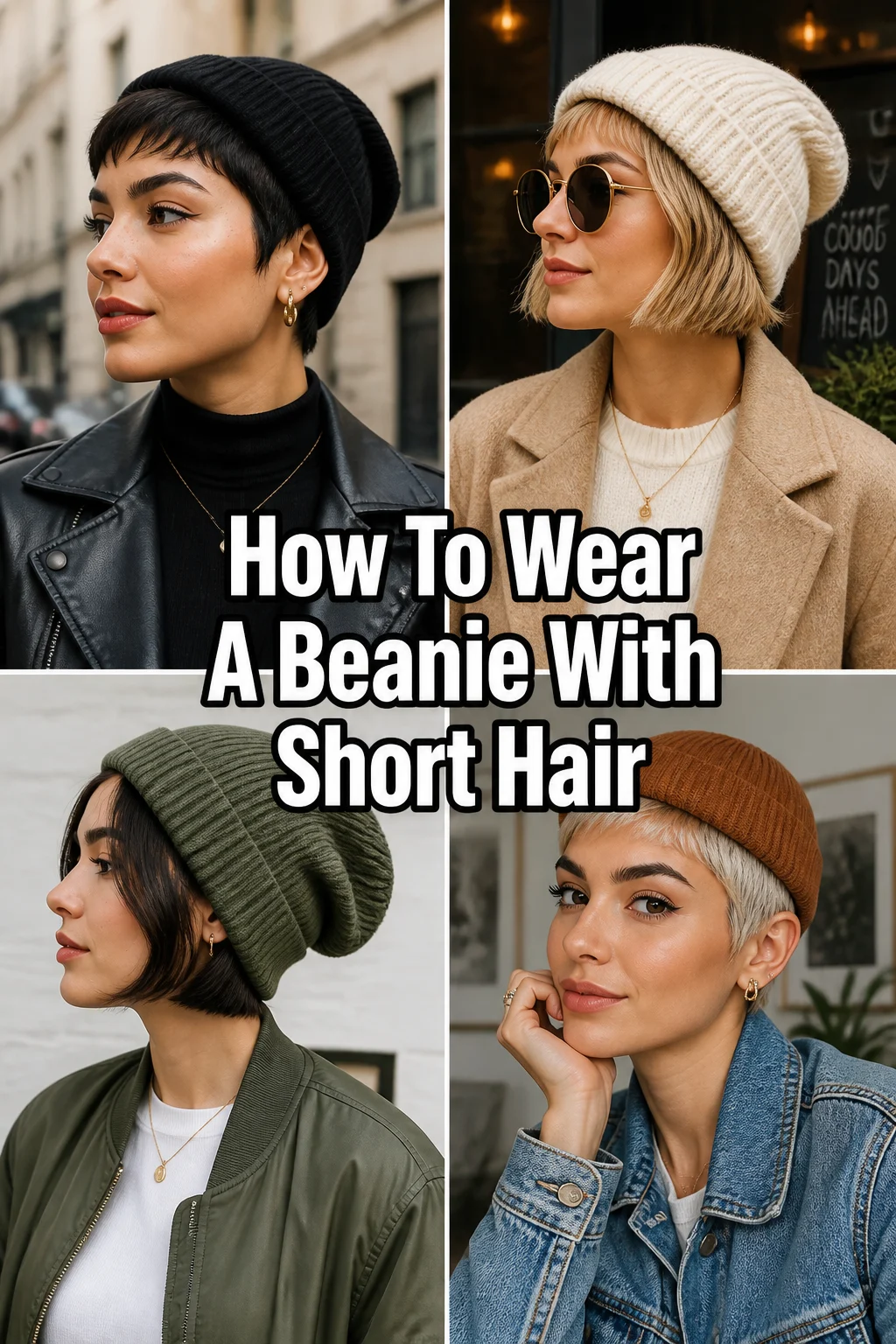
Select a beanie that complements your face shape and personal style. Not all beanies are created equal, and the right one makes a big difference. Consider slouchy beanies for a relaxed vibe, or a fisherman beanie for a tighter, more modern look.
A ribbed knit offers texture, while a smooth cashmere beanie provides a touch of luxury. Think about the material and how it drapes.
Pro Tip: For short hair, beanies with less excess fabric often work best, as they don’t overwhelm your head. Think about a medium-fit beanie rather than an extra-slouchy one.
Step 2: Prepare Your Hair
Ensure your short hair is clean and styled how you usually wear it. A beanie can enhance your current cut, not hide it completely. You might want to add a little texture spray or dry shampoo for volume if your hair tends to be flat.
Some prefer their hair slicked back for a sleek look, while others like a few wisps peeking out. Decide what look you’re aiming for before placing the beanie.
Step 3: Position the Beanie Correctly
Place the beanie on your head, starting from the back. Gently pull it forward until the front edge sits somewhere between your hairline and mid-forehead. Avoid pulling it too far down, as this can obscure your face and look uncomfortable.
The goal is to frame your face, not cover it entirely. This initial placement is key to setting up the rest of your look.
Step 4: Adjust the Fold or Cuff
Determine if your beanie has a cuff or if you want to create one. A folded cuff adds structure and can make the beanie feel more secure. For short hair, a neat cuff often looks more polished.
If your beanie is slouchy, you might opt for a single fold or no fold at all, letting the fabric gather at the back. Experiment with the width of the cuff to see what flatters your face most.
Step 5: Frame Your Face with Hair
Tease out a few strands of hair around your face. This is especially important with short hair to prevent a “hat head” look. Small pieces around your temples or ears can soften the overall effect.
If you have bangs, let them peek out from under the beanie. This adds dimension and keeps your look from feeling too severe.
Pro Tip: Use your fingers to gently pull out small sections of hair. A little asymmetry often adds to the natural, effortless vibe.
Step 6: Tug and Loosen for Comfort
Gently tug the beanie backward and upward slightly to create a bit of slack. This prevents the beanie from feeling too tight and gives it a more relaxed, casual appearance. A beanie that’s too snug can look unflattering and be uncomfortable.
This slight adjustment also allows for more air circulation. It helps achieve that perfectly undone look.
Step 7: Check Your Profile and Symmetry
Turn your head from side to side and observe your reflection in a mirror. Ensure the beanie looks good from all angles, not just straight on. Check for any awkward bulges or unevenness.
Make small adjustments to ensure symmetry, unless an intentional asymmetric look is what you’re going for. A quick glance at your profile can reveal a lot.
Step 8: Secure If Needed (Optional)
Consider using a few bobby pins if your beanie feels like it might slip or if you want to secure specific hair strands. This is rarely needed for short hair but can be helpful for very silky hair or an extra-loose beanie.
Place pins discreetly underneath the beanie, near your temples or the nape of your neck. This ensures your style stays put all day.
Common Mistakes to Avoid
Wearing It Too Far Down
Pulling your beanie too low over your forehead can make your face disappear and look disproportionate, especially with short hair. It often gives the impression that the beanie is too big for you. Instead, aim for the front edge to sit just above your eyebrows or slightly higher, allowing your features to shine.
Choosing the Wrong Size
A beanie that’s too tight will look stretched and uncomfortable, potentially giving you a headache. One that’s too loose might constantly slip off or create too much bulk. Always opt for a beanie that fits snugly but comfortably around your head. It should feel secure without being restrictive.
Hiding All Your Hair
The charm of wearing a beanie with short hair is often the contrast and the ability to frame your face. Completely tucking away every strand can make your head look bare underneath. Allow a few wisps or your bangs to peek out. This softens your look and adds a touch of intentional styling.
Ignoring Material and Texture
Some beanie materials can make short hair look static or flat. Chunky knits can sometimes overwhelm very short styles. Pay attention to the fabric and how it interacts with your hair type. Softer, smoother materials like merino wool or cashmere are often gentler on hair and provide a more refined look.
Troubleshooting
Beanie Keeps Slipping Off
If your beanie constantly slides, it might be slightly too large or made of a very slick material. Try a beanie with a slightly tighter elastic band or one made from a ribbed knit for better grip. For a quick fix, you can discreetly secure it with a couple of bobby pins placed just inside the rim, anchoring it to your hair.
Hair Looks Flat After Removing Beanie
Beanies can compress hair, leading to flatness. To combat this, apply a volumizing spray or dry shampoo to your roots before wearing the beanie. After removing it, gently tousle your hair with your fingers, focusing on lifting the roots. A quick head flip and shake can also help restore volume.
Beanie Feels Itchy or Uncomfortable
An itchy beanie is often due to the material, especially wool if you have sensitive skin. Look for beanies made from softer, hypoallergenic materials like cashmere, merino wool (which is finer), or acrylic blends. Wearing a thin silk or satin scarf or liner underneath can also create a barrier and reduce irritation.
Key Takeaways
- Select a beanie size and style that complements your short hair and face shape.
- Allow some hair to frame your face or show off your bangs for a softer, more intentional look.
- Position the beanie between your hairline and mid-forehead to avoid obscuring your features.
- Adjust the fold or cuff to add structure and personalize your style.
- Gently tug and loosen the beanie for comfort and a relaxed, effortless appearance.
- Consider the material to ensure comfort and prevent hair flatness or irritation.
Frequently Asked Questions
Can beanies damage short hair?
No, wearing a beanie properly will not damage short hair. Ensure it’s not excessively tight, which could cause friction or tension. Choose beanies made from breathable, soft materials to prevent product buildup or scalp irritation. Regular hair care and washing will keep your scalp healthy.
What kind of beanie is best for very fine short hair?
For very fine short hair, a lightweight, less bulky beanie works best. Fisherman beanies or thin, ribbed beanies are excellent choices as they provide warmth without overwhelming your head with too much fabric. Avoid overly slouchy or chunky styles that can make fine hair look even flatter.
How do I prevent “beanie hair” or static?
To prevent “beanie hair” or static, ensure your hair is moisturized before wearing the beanie. Use a leave-in conditioner or a small amount of hair oil. Choosing beanies made from natural fibers like cotton, wool, or cashmere can also reduce static compared to synthetic materials. A static-reducing spray can also be applied to the inside of your beanie.
Can I wear a beanie indoors?
Wearing a beanie indoors is generally a style choice. If it’s part of your outfit and you feel comfortable, go for it. However, for extended periods, it might make your head warm or flatten your hair. Consider the setting and your comfort level when deciding to keep it on inside.
Our Top Recommended Finds
- Rib-Knit Beanie: Versatile and classic, the ribbed texture offers a snug fit that’s perfect for short hair and provides excellent warmth.
- Cashmere Blend Beanie: Luxuriously soft and gentle on hair, a cashmere blend offers warmth without bulk, ideal for sensitive skin and preventing static.
- Satin-Lined Beanie: Designed with a smooth satin interior, this type of beanie helps protect hair from friction, reduces frizz, and keeps your style intact.
Your Short Hair, Your Beanie, Your Style
Wearing a beanie with short hair is not just possible; it’s a fantastic way to express your personal style. It adds an instant cool factor, keeps you warm, and can even be a lifesaver on bad hair days.
Don’t let the length of your hair hold you back from embracing this versatile accessory. Go ahead, choose your favorite beanie, and step out with confidence today.