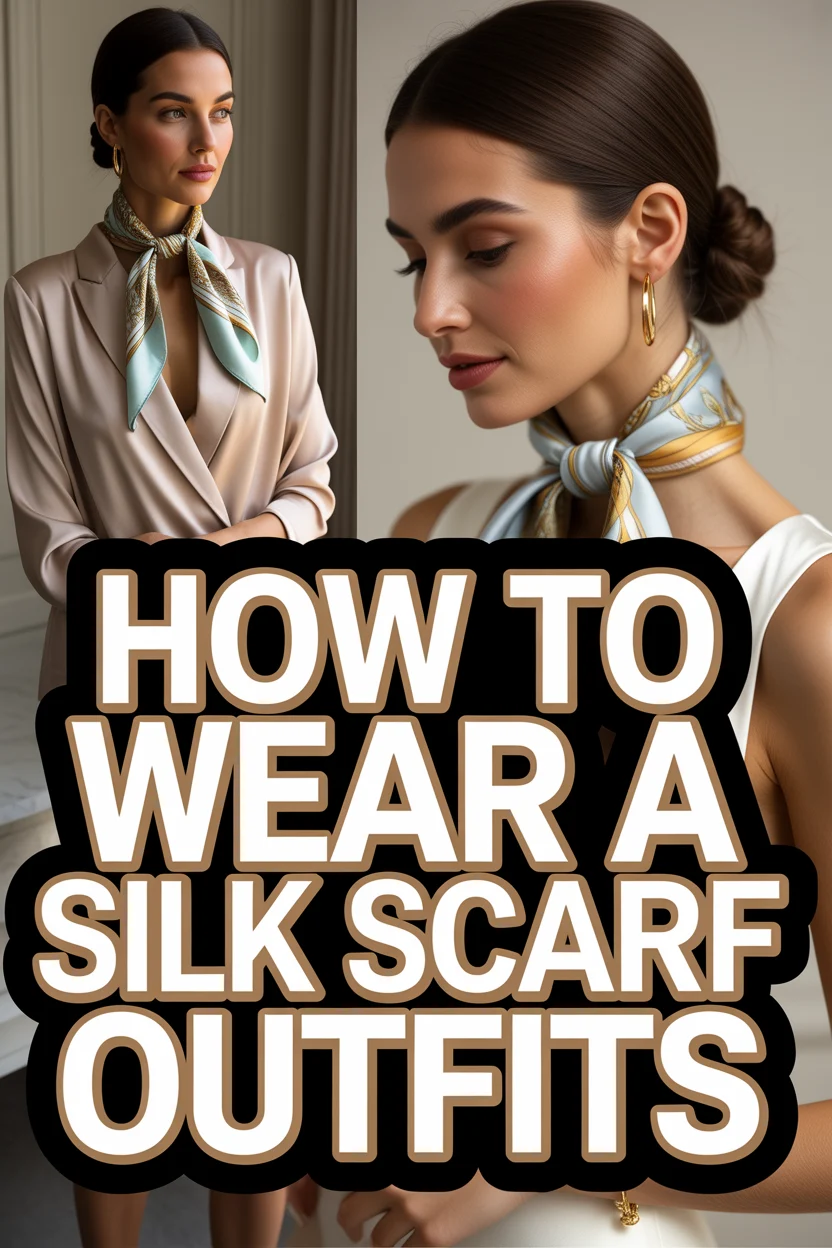
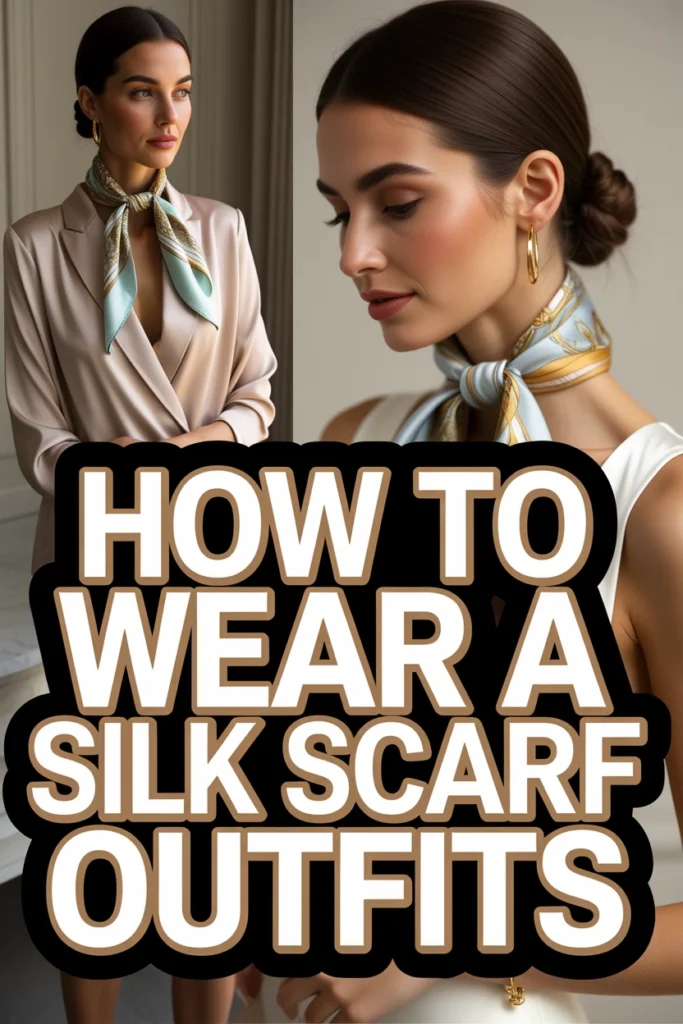
🧣 How To Wear A Silk Scarf Outfits
There’s something truly transformative about a silk scarf. It can elevate even the simplest ensemble, adding a touch of elegance and personality. For years, I’ve collected and experimented with these versatile accessories, discovering endless ways to integrate them into my daily wardrobe.
This guide shares my favorite, most practical methods, helping you master the art of silk scarf styling with confidence and ease.
Quick Overview
Transforming your outfits with a silk scarf is an art anyone can master. This guide will walk you through various techniques, from classic knots to creative accents. You’ll learn how to choose the right scarf and integrate it seamlessly into your personal style.
- Time needed: 30-60 minutes (to try several styles)
- Difficulty: Beginner
- What you’ll need: Silk scarves (various sizes), a mirror, basic wardrobe items, optional scarf rings.
Step-by-Step Instructions
Step 1: Choose Your Silk Scarf Wisely
The journey begins with selecting the perfect scarf. Consider its size, pattern, and color, as these elements dictate its versatility and impact on your outfit. A well-chosen scarf can instantly elevate your look.
Small scarves (around 20-27 inches, or 50-70 cm) are ideal for wrist ties, bag handles, or delicate neck accents. They offer subtle pops of color and pattern. These are often called “bandanas” or “foulards.”
Medium scarves (around 35-40 inches, or 90-100 cm) are the most versatile. They work well for classic neck knots, headbands, and even as small tops. This size offers ample fabric for various styling options.
Large scarves (45 inches or 115 cm and up) are perfect for dramatic neck wraps, full head coverings, or even as elegant shawls. They can also be fashioned into skirts or larger tops, making a bold statement.
Consider the pattern and color palette. A vibrant, multi-colored scarf can be the focal point of a neutral outfit. Conversely, a subtle, monochromatic design adds sophistication without overwhelming your look.
Think about the existing colors in your wardrobe. Choose a scarf that complements or provides a thoughtful contrast to your usual clothing choices. This ensures seamless integration into your outfits.
Pro Tip: Start with a medium-sized scarf in a pattern you truly love. This offers the most flexibility for a beginner, allowing you to experiment with many different styles before investing in other sizes.
Step 2: Master the Classic Neck Tie
Wearing a silk scarf around your neck is timeless and elegant. There are several ways to achieve a chic neck tie, each offering a distinct vibe. Let’s explore some popular methods.
The French Knot (or Ascot Knot)
Fold your square scarf diagonally to create a triangle. Roll the longest edge of the triangle towards the point, creating a long, narrow strip. This strip should be about two inches wide.
Drape the rolled scarf around your neck, ensuring both ends are equal in length. Cross one end over the other, then bring it up through the loop created around your neck.
Adjust the knot to sit neatly at the front or slightly to the side, against your collarbone. Fan out the ends gently for a softer look. This style pairs beautifully with blazers or simple blouses.
The Bandana Knot
Fold your square scarf diagonally into a triangle. Place the longest edge of the triangle against the front of your neck, with the point facing down your chest.
Bring the two ends around to the back of your neck. Cross them over, and then bring them back to the front.
Tie the ends in a double knot, either above or below the point of the triangle. Adjust for comfort and neatness. This adds a casual yet stylish touch to t-shirts or denim jackets.
The Simple Loop
Fold a square scarf into a long, narrow strip, as you would for the French Knot. Drape it around your neck with one end significantly longer than the other.
Wrap the longer end loosely around your neck once. Let both ends hang freely down your front.
This creates a relaxed, effortless look. It works well with open-collared shirts or sweaters, adding warmth and visual interest without being too structured.
Step 3: Accessorize Your Hair with a Scarf
A silk scarf can transform your hairstyle, adding a touch of bohemian flair or sophisticated polish. Hair accessories are a fantastic way to incorporate color and pattern.
The Headband
Fold a small to medium-sized square scarf diagonally into a triangle. Roll or fold the triangle into a narrow strip, about 1-2 inches wide.
Place the middle of the strip at the nape of your neck, underneath your hair. Bring the ends up over your head.
Tie the ends in a double knot at the top of your head, either at the crown or slightly to the side. Tuck the ends underneath the band or let them hang for a playful detail.
The Ponytail Wrap
Gather your hair into a ponytail or bun. Take a small to medium-sized scarf and fold it into a narrow strip.
Wrap the strip around the base of your ponytail or bun. Tie it in a neat bow or knot, allowing the ends to cascade down with your hair.
This instantly elevates a simple hairstyle. It’s perfect for adding a pop of color to a casual outfit or a touch of elegance to a more formal look.
The Full Headwrap
For a more dramatic or protective style, a full headwrap is excellent. This works best with medium to large scarves.
Place the center of the scarf at your forehead, letting the ends fall behind your ears. Bring the ends around to the back of your head.
Cross the ends at the nape of your neck, then bring them back up to the front. Tie them in a knot or bow at the top or side of your head. Tuck in any loose edges for a secure finish.
Step 4: Elevate Your Bag or Wrist
Silk scarves aren’t just for your neck or hair. They can add a chic detail to your accessories, giving new life to an old handbag or a subtle accent to your wrist.
The Bag Handle Wrap
Take a small to medium-sized scarf and fold it into a narrow strip. Tie one end in a simple knot around the base of your bag handle.
Wrap the scarf tightly and neatly around the entire length of the handle. Secure the other end with another knot at the opposite base.
This protects your bag handle and adds a personalized touch. It’s a fantastic way to introduce color or pattern without changing your outfit.
The Wrist Tie
Fold a small scarf into a narrow strip. Wrap it around your wrist two or three times, depending on the scarf length and your wrist size.
Tie the ends in a small, neat knot or a delicate bow. Let the ends dangle playfully.
This acts like a chic bracelet, adding a subtle touch of elegance. It’s perfect for when you want a hint of color without committing to a larger scarf style.
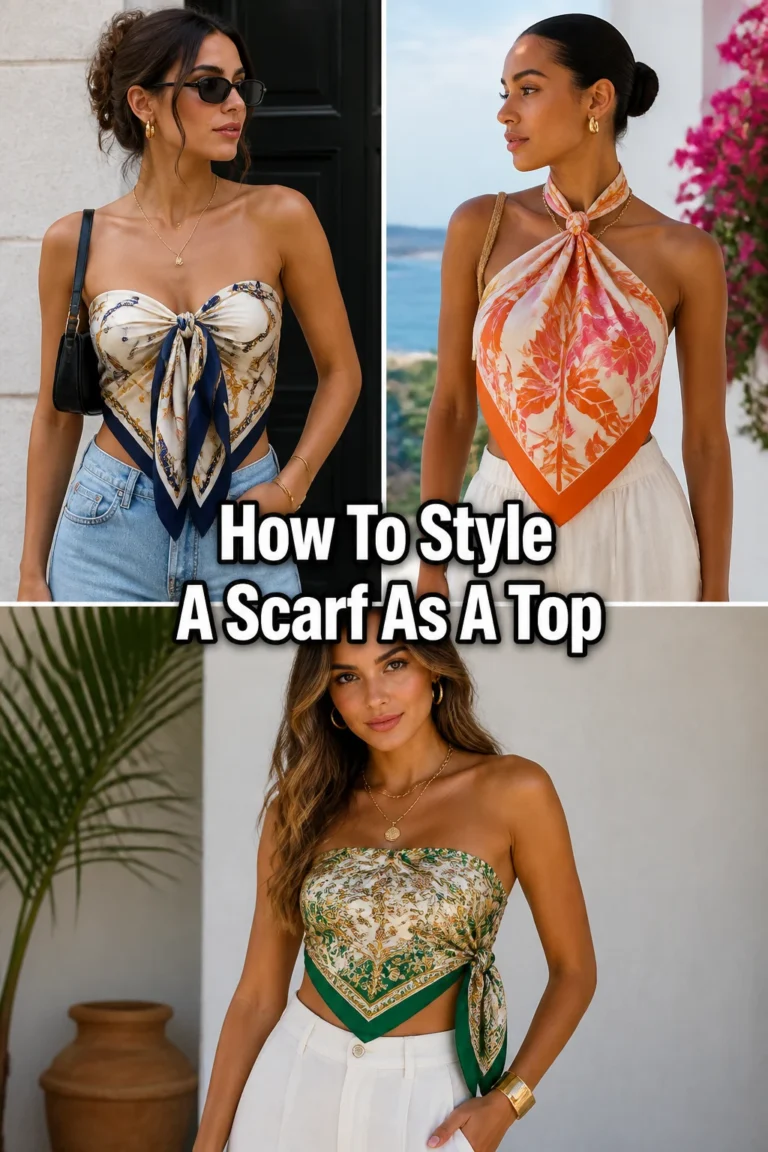
Step 5: Transform Your Wardrobe with a Scarf Top
For a truly creative and stylish statement, a large silk scarf can be transformed into a unique top. This is ideal for warm weather or for making a bold fashion choice.
The Bandeau Top
Take a large square scarf. Fold it in half diagonally to create a triangle.
Place the longest edge of the triangle across your chest. Bring the two points around your back and tie them securely in a double knot.
Adjust the fabric to cover your chest comfortably. You can also twist the ends before tying for a more structured look. This style works best with high-waisted bottoms.
The Halter Top
Start with a large square scarf. Fold it in half diagonally to form a triangle.
Place the longest edge of the triangle across your chest. Take the two top points and tie them around your neck, creating a halter.
Bring the bottom point of the triangle around your waist and tie it securely with the remaining two ends at your back. This creates a flowy, elegant halter top.
Pro Tip: When wearing a scarf as a top, ensure it’s securely tied to prevent any wardrobe malfunctions. Double knots are your friend, and consider wearing a sticky bra for extra confidence.
Step 6: Use a Scarf as a Belt or Waist Accent
A silk scarf can effortlessly replace a traditional belt, adding a soft, flowing detail to your waistline. This works well with dresses, trousers, or skirts.
Fold a medium to large scarf into a long, narrow strip. Thread it through the belt loops of your trousers or skirt.
Tie it in a simple knot, a bow, or let the ends hang loosely. This adds a pop of color and texture to your outfit.
Alternatively, wrap a scarf around your waist over a dress or tunic, even if there are no belt loops. Tie it to cinch your waist and create a flattering silhouette. This defines your figure beautifully.
Step 7: Experiment with Layering and Mixing
Don’t be afraid to combine different scarf styles or layer your scarf with other accessories. Fashion is about personal expression, so have fun with it.
Layer a small neck scarf under a collared shirt for a preppy look. Add a silk scarf as a bag accent while wearing a different scarf as a headband.
Mix patterns and textures carefully. A patterned scarf can often complement a subtly striped or textured garment beautifully. The key is balance and intentionality.
Play with different scarf sizes for different impacts. A small scarf can add a delicate touch, while a large one makes a bold statement. Your creativity is the only limit.
Common Mistakes to Avoid
Over-accessorizing Your Outfit
One common pitfall is adding too many accessories. A silk scarf is a statement piece on its own. Pairing it with chunky necklaces, large earrings, and multiple bracelets can make your look feel cluttered and overwhelming.
Instead, let your scarf be the star. If you’re wearing a vibrant scarf, opt for minimal jewelry like simple studs or a delicate ring. This allows the scarf to truly shine and elevate your ensemble.
Ignoring Proportions and Balance
The size of your scarf should complement your body frame and the overall outfit. A very large scarf can overwhelm a petite person when worn around the neck. Similarly, a tiny scarf might get lost on a larger frame or with a bulky outfit.
Consider the silhouette you’re creating. If you’re wearing a voluminous top, a smaller, neatly tied scarf might be better. If your outfit is sleek, a larger, flowing scarf can add dramatic balance.
Choosing the Wrong Scarf for the Occasion
While versatile, not all scarf styles suit every event. A casual bandana knot might look out of place at a formal business meeting. A delicate neck tie might be too subtle for a festive party.
Think about the formality and mood of the event. A classic French knot in a sophisticated pattern is perfect for professional settings. A playful headwrap or a vibrant bag accent is ideal for casual outings or vacations.
Forgetting About Fabric Care
Silk is a delicate fabric that requires specific care. Tossing your silk scarf into a machine wash with harsh detergents can damage its fibers, dull its sheen, and ruin its drape. Improper storage can also lead to creases or snags.
Always hand wash your silk scarves with a gentle, pH-neutral detergent and cool water. Lay them flat to dry, away from direct sunlight. Store them rolled or neatly folded to prevent creasing and preserve their luxurious feel.
Troubleshooting
My Scarf Keeps Slipping Off
Silk’s smooth texture can sometimes make it prone to slipping, especially when worn in the hair or as a neck tie. This is a common frustration, but easily remedied.
For hair styles, use bobby pins to secure the scarf to your hair or existing hair tie. For neck styles, ensure you tie a firm double knot, not just a single one. Scarf rings or buckles can also provide extra grip and a polished finish.
My Outfit Feels Unbalanced with the Scarf
An unbalanced look often stems from misjudging scarf size or placement. If your scarf feels “off,” it might be competing with other elements or not harmonizing with your outfit’s lines.
Try adjusting the scarf’s position or the knot style. A scarf tied higher on the neck can draw attention upwards, while a longer drape can elongate your torso. Experiment with different scarf sizes until you find the one that feels right for your specific outfit.
I Can’t Achieve a Neat Knot
Creating a perfectly neat knot requires a bit of practice and patience. The silk’s slipperiness can make it challenging to get a crisp, symmetrical look initially.
Practice in front of a mirror, focusing on even tension as you tie. Start with simpler knots like the French knot. Don’t be afraid to untie and retie until you’re satisfied. Sometimes, a slightly looser, more “undone” knot can look more effortlessly chic anyway.
Key Takeaways
- Experiment with Sizes: Different scarf sizes offer unique styling possibilities for neck, hair, wrist, or bag.
- Master Basic Knots: Learning a few fundamental knots like the French or Bandana tie opens up many versatile looks.
- Accessorize Beyond the Neck: Scarves are fantastic for hair, bags, and wrists, adding unexpected pops of style.
- Transform Your Wardrobe: Use larger scarves creatively as tops or belts for unique fashion statements.
- Prioritize Balance: Ensure your scarf choice and styling complement your outfit and body proportions, avoiding over-accessorizing.
- Care for Your Silk: Proper washing and storage are crucial for maintaining the beauty and longevity of your silk scarves.
Frequently Asked Questions
What size scarf is best for beginners?
A medium-sized square scarf, around 35-40 inches (90-100 cm), is highly recommended for beginners. This size offers the most versatility, allowing you to practice various neck knots, hair ties, and even some bag accents. It’s large enough to make a statement but not so large that it feels unwieldy.
Can I mix patterns when wearing a silk scarf?
Absolutely, mixing patterns can create a very stylish and sophisticated look. The key is to ensure there’s a unifying element, such as a shared color palette between your scarf and your clothing. Alternatively, pair a busy patterned scarf with a garment that has a subtle, complementary pattern like a fine stripe or small check.
How do I care for my silk scarf to make it last?
Silk scarves require delicate care. Always hand wash them in cool water with a gentle, pH-neutral detergent specifically designed for silk or delicates. Avoid wringing or twisting. Lay the scarf flat on a clean towel to air dry, away from direct sunlight or heat, which can damage the silk fibers. Store them rolled or neatly folded to prevent creases.
Are silk scarves only for formal wear?
Not at all! While silk scarves certainly add an elegant touch to formal outfits, they are incredibly versatile and can be dressed down for casual wear. A bandana knot with a t-shirt and jeans, a playful wrist tie, or a scarf woven into a casual braid can instantly elevate an everyday look. It’s all about how you style it.
Our Top Recommended Finds
- High-Quality Mulberry Silk Scarf Set: A set provides various sizes and patterns, perfect for building your collection and exploring different styles.
- Scarf Rings or Buckles: These small accessories help secure your scarf, create unique knots, and add an extra touch of sophistication to your styling.
- Delicate Fabric Wash: A pH-neutral, gentle detergent is essential for hand washing your silk scarves, preserving their luster and softness for years to come.
Embrace Your Scarf Style Journey
Wearing a silk scarf is more than just an accessory; it’s an expression of personal style. Each fold, knot, and drape offers a new opportunity to transform your look and showcase your creativity. You now have the tools and inspiration to begin your own scarf styling adventure.
Start experimenting today. Pull out those beautiful silk scarves from your drawer and try a new technique. You might be surprised at how much a single piece of fabric can enhance your confidence and your wardrobe. Let your silk scarf become a signature element of your unique style.