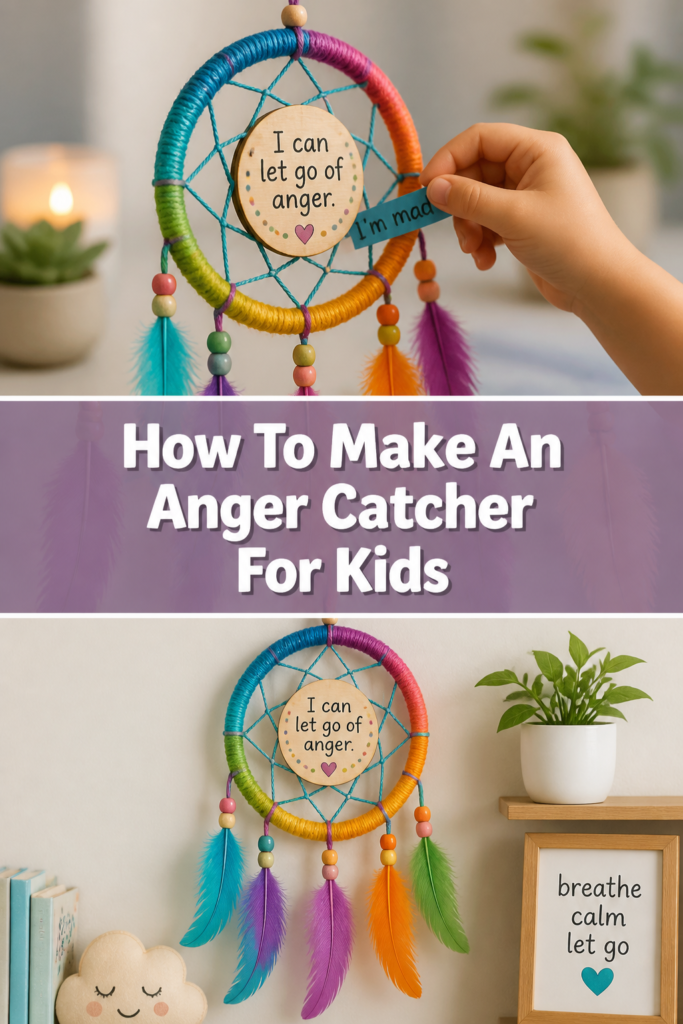
😤 How To Make An Anger Catcher For Kids
As a parent, I’ve seen firsthand how big feelings can overwhelm our little ones. There are moments when anger just bubbles up, and they don’t know what to do with it.
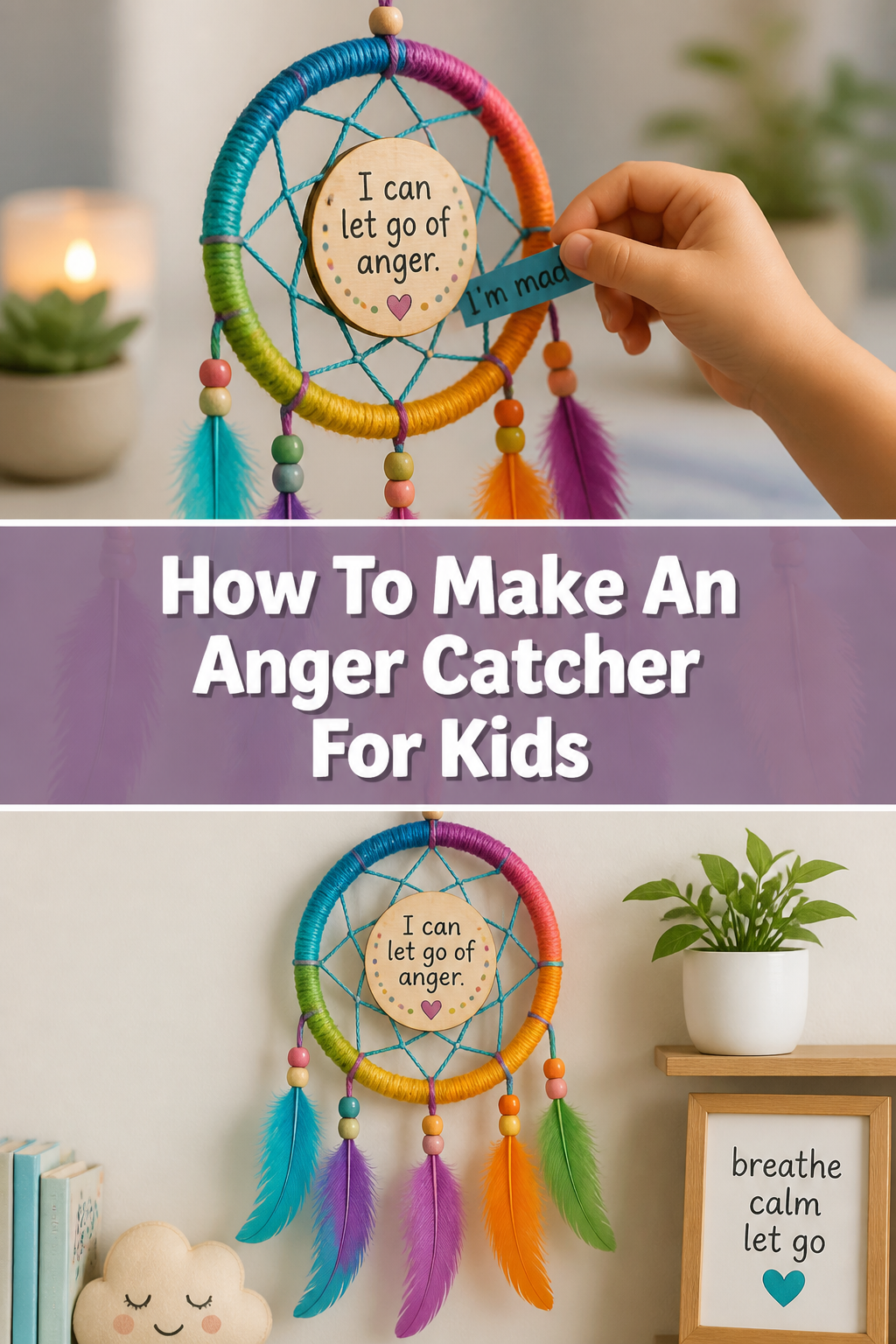
That’s why I’m excited to share a tool that has truly helped in our home. This guide will show you how to create an “Anger Catcher,” a simple yet powerful way for kids to externalize and process their anger.
You can trust this guide because it’s built on practical experience and a deep understanding of how tangible tools can support emotional development in children.
Quick Overview
Creating an Anger Catcher provides a safe, physical space for children to express their frustrations. You’ll craft a special container where they can visually “put away” their angry feelings. This project empowers kids, giving them a sense of control over their emotions.
- Time needed: 30-60 minutes for creation, ongoing for use
- Difficulty: Beginner
- What you’ll need: A container (jar, box), paper, writing/drawing tools, decorative supplies
Step-by-Step Instructions
Step 1: Gather Your Materials
Collect all the supplies you’ll need before you begin. This ensures a smooth and enjoyable crafting session with your child. Having everything ready minimizes interruptions and keeps their attention focused on the activity.
You will need a container, such as an empty tissue box, a shoebox, or a large plastic jar with a lid. Also gather paper, pens, crayons, markers, stickers, glue, glitter, fabric scraps, or anything else for decorating. Small slips of paper will also be essential for the “anger notes.”
Step 2: Choose Your Anger Catcher Container
Select the perfect container with your child. This initial choice can be a big part of making the Anger Catcher feel personal and special to them. A shoebox offers a wide surface for decoration, while a jar provides a clear view of the collected “anger.”
Consider what feels most appealing and accessible for your child. The key is that it has an opening large enough for them to easily slip in their anger notes.
Pro Tip: Let your child have a strong voice in choosing the container. Ownership from the start increases their engagement and willingness to use the finished product.
Step 3: Decorate Your Container
Transform the plain container into something unique and inviting. This is where creativity truly shines, making the Anger Catcher a personalized tool. Encourage your child to use their favorite colors, shapes, and materials.
They might want to draw a monster that eats anger, a calm landscape, or simply cover it in cheerful stickers. The goal is to make it visually appealing and comforting, not scary. This step helps build a positive association with the catcher.
Step 4: Prepare the “Anger Slips”
Cut small pieces of paper that will fit easily into your decorated container. These will be the “anger slips” where your child expresses their feelings. Keep a stack of these slips near the Anger Catcher.
You can use plain paper, colored paper, or even small sticky notes. The size should be manageable for little hands to write or draw on.
Step 5: Introduce the Anger Catcher Concept
Explain the purpose of the Anger Catcher to your child in simple, age-appropriate language. Frame it as a special place for their big, angry feelings to go. Emphasize that it’s okay to feel angry, but sometimes those feelings need a place to rest.
You might say, “When you feel really mad, you can draw or write what’s making you angry on one of these papers, and then put it in our special anger catcher. It’s like giving your anger a little break.” Make sure they understand it’s not a punishment.
Step 6: Demonstrate How to Use It
Show your child exactly how to use the Anger Catcher. Role-play a scenario where you pretend to be angry about something small, like a dropped toy. Then, visibly write or draw your “anger” on a slip of paper and place it into the catcher.
This demonstration makes the abstract concept concrete and provides a clear model for them to follow. Practice a few times together to build their confidence.
Step 7: Establish a Routine for Use
Integrate the Anger Catcher into your child’s emotional regulation toolkit. Encourage them to use it whenever they feel anger bubbling up. It might take time and gentle reminders for it to become a natural habit.
Place the Anger Catcher in an easily accessible spot, like their bedroom or a quiet corner of a common living area. Consistency is key for establishing this new coping mechanism.
Pro Tip: Don’t force your child to use the catcher. Instead, offer it as an option when you notice signs of frustration. “I see you’re feeling really mad right now. Would you like to tell the Anger Catcher about it?”
Step 8: Periodically Review the Slips (Optional and Gentle)
Decide if and when you will review the collected anger slips. This step should be handled with extreme care and only with your child’s consent. The primary purpose of the catcher is immediate release, not necessarily analysis.
If your child is open to it, you can suggest, “Would you like to look at some of the things that made you angry last week?” This can open a dialogue about patterns, triggers, and alternative solutions. Always respect their choice if they prefer not to revisit the slips.
Common Mistakes to Avoid
Forcing Its Use
Trying to compel a child to use the Anger Catcher when they’re not ready can backfire. It can make them associate it with pressure or punishment, rather than a helpful tool. Always present it as an option, a gentle suggestion, not a command.
Instead, model its use yourself or simply leave it available. Reassure them that it’s there whenever they feel like using it.
Using It as a Punishment
Never tell a child, “Go put your anger in the catcher!” in an angry tone. This sends a message that their feelings are bad and need to be locked away. The Anger Catcher is a supportive tool, not a time-out mechanism.
Maintain a calm and empathetic approach when suggesting its use. Frame it as a way to help them manage their big feelings, not to get rid of them because they are inconvenient.
Ignoring the Slips Entirely
While the immediate act of putting anger into the catcher is valuable, completely ignoring the contents can diminish its long-term effectiveness. The slips represent real feelings that, if consistently unaddressed, might lead to a sense of invalidation.
At appropriate times, and with your child’s permission, briefly acknowledge the content of the slips. You might say, “I noticed you were angry about sharing your toys yesterday. That’s a really tough feeling.” This shows you care and are listening.
Making It Too Complex
Over-complicating the instructions or the container itself can overwhelm a child. The beauty of the Anger Catcher lies in its simplicity. If there are too many rules or steps, a child might become frustrated before they even get to express their anger.
Keep the decoration process fun and the explanation straightforward. The easier it is to use, the more likely your child will adopt it as a regular coping strategy.
Troubleshooting
My Child Refuses to Use It
If your child is resistant, don’t push the issue. They might not be ready, or they might not understand its purpose fully. Sometimes, children need to see it modeled repeatedly before they feel comfortable trying.
Continue to model its use yourself occasionally, especially when you feel a mild frustration. You can also re-explain its purpose gently, focusing on how it helps feelings find a safe spot.
My Child Uses It for Everything, Not Just Anger
This can actually be a positive sign that your child is engaging with the concept of externalizing feelings. It shows they are comfortable using the tool for emotional expression. You can gently guide them.
Acknowledge their use, then introduce other tools for different emotions, like a “worry jar” for anxieties. You might say, “That’s a great place for your anger, but for those sad feelings, maybe we could draw a picture in your special sadness journal?”
My Child Just Rips the Paper or Throws the Catcher
This behavior might indicate that the child is still overwhelmed by their anger and needs a more immediate, physical outlet. Tearing paper can actually be a healthy release for some children.
If they’re ripping the paper, let them. That’s still a form of expression and release. If they’re throwing the catcher, it might be too much. Try offering a different physical activity first, like stomping their feet or squeezing a stress ball, and then reintroduce the catcher when they’re a little calmer.
Key Takeaways
- The Anger Catcher is a tangible tool that helps children externalize and process angry feelings.
- Personalizing the catcher with your child’s input increases their sense of ownership and willingness to use it.
- Introduce the concept gently, framing it as a helpful friend for their big emotions, not a punishment.
- Modeling its use yourself is crucial for demonstrating how it works and normalizing emotional expression.
- Consistency and accessibility are key for the Anger Catcher to become an effective coping mechanism.
- Always respect your child’s autonomy regarding its use and whether to review the contents of the slips.
Frequently Asked Questions
What Age Is the Anger Catcher Best For?
The Anger Catcher is most effective for children aged 3 to 10 years old. Younger children might express anger through drawings or scribbles, while older children can write words or sentences. The core concept of externalizing feelings is beneficial across this age range.
It can be adapted for even younger children by simply having them point to a picture of what made them angry before putting it in.
How Often Should We Use It?
Encourage your child to use the Anger Catcher whenever they feel overwhelmed by anger. There’s no fixed schedule; it’s a tool for when emotions run high. It’s meant to be a spontaneous aid, not a daily chore.
Some days it might be used multiple times, other days not at all. The important thing is that it’s available and offered as an option when needed.
What Do We Do with the Collected Anger Slips?
This is a personal decision for each family. Some families periodically review the slips with their child to discuss patterns or problem-solve. Others might choose to simply discard or shred the slips, symbolizing the release of the anger.
Always involve your child in this decision. You could make it a ritual to “release” the anger by tearing up the slips together, or even burning them safely (with adult supervision) if that feels appropriate and symbolic.
Can We Make It Digital?
While the physical act of writing or drawing and placing it into a tangible object is a powerful part of the Anger Catcher’s effectiveness, a digital version could be adapted for older, tech-savvy children. This might involve typing out feelings into a private document or a specific app.
However, the tactile experience of physically creating and depositing the “anger” is often more grounding and impactful for emotional regulation, especially for younger children. The physical separation of the feeling from the self is a key benefit.
Our Top Recommended Finds
- Decorative Shoeboxes: These provide a sturdy, customizable base for your Anger Catcher and are easily found at craft stores or online. Their flat surfaces are perfect for decorating.
- Colorful Craft Paper Assortment: Having a variety of paper for the anger slips makes the process more engaging. Kids love choosing different colors for different moods.
- Washable Markers & Stickers: These are essential for decoration and expressing feelings on the slips. Washable options make cleanup a breeze.
Empower Your Child’s Emotions Today
Creating an Anger Catcher is more than just a craft project; it’s an investment in your child’s emotional well-being. This simple tool can provide a tangible outlet for intense feelings, fostering a sense of control and self-awareness.
Don’t wait until the next big meltdown to think about coping strategies. Take the first step today to build this valuable resource with your child. The journey of emotional regulation is a marathon, not a sprint, and every small tool helps.