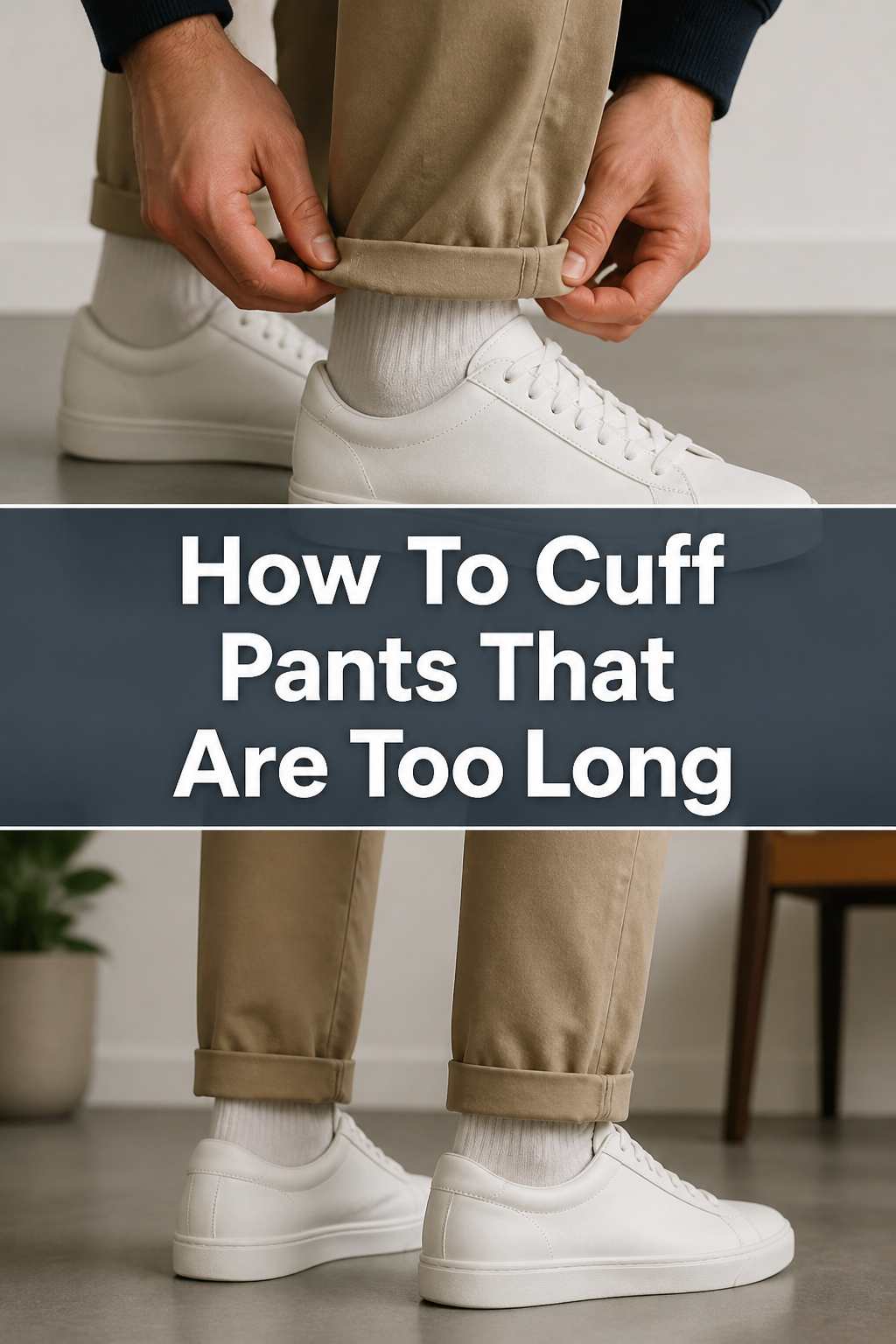
👖 How To Cuff Pants That Are Too Long
We’ve all been there: you find the perfect pair of pants, but the inseam is just a little too generous. Instead of heading straight to the tailor, a simple cuff can transform their look and fit. I’ve personally saved countless pairs of jeans and chinos from the donation pile with these easy techniques.
This guide will empower you to tackle overly long pants with confidence and style. You’ll learn the practical steps to achieve a clean, intentional cuff every time.
Quick Overview
This guide will walk you through the process of cuffed pants, ensuring a perfect fit and a stylish finish. You’ll master various cuffing techniques for different pant styles.
- Time needed: 5-15 minutes (depending on practice)
- Difficulty: Beginner
- What you’ll need: Your pants, a mirror, measuring tape (optional), an iron (recommended)
Step-by-Step Instructions
Step 1: Assess Your Pants and Desired Look
Before you start folding, consider the fabric and style of your pants. Heavier fabrics like denim hold a cuff better than lighter dress trousers.
Think about the occasion and the shoes you’ll be wearing. A casual look might call for a bolder cuff, while a smart casual outfit needs something more refined.
Step 2: Try On Your Pants and Stand Naturally
Put on the pants and the shoes you intend to wear with them. This is crucial for determining the correct length.
Stand in front of a full-length mirror, relaxing your posture. Let the pants fall naturally around your ankles.
Step 3: Determine Your Ideal Break Point
The “break” refers to the crease formed when your pant leg meets your shoe. A full break means multiple creases, while no break means the hem barely touches the shoe.
For cuffed pants, aim for a length that allows the cuff to sit just above your shoe, or even slightly higher for a more modern crop. Pin or hold the desired length with your fingers.
Pro Tip: Consider the pant opening. A wider leg opening might look better with a single, larger cuff, while a tapered leg often suits a double cuff or a pinroll.
Step 4: The Simple Single Cuff
This is the easiest and most common cuffing method, suitable for most casual pants. It creates a clean, understated look.
Lay your pants flat on a clean surface. Gently smooth out any wrinkles.
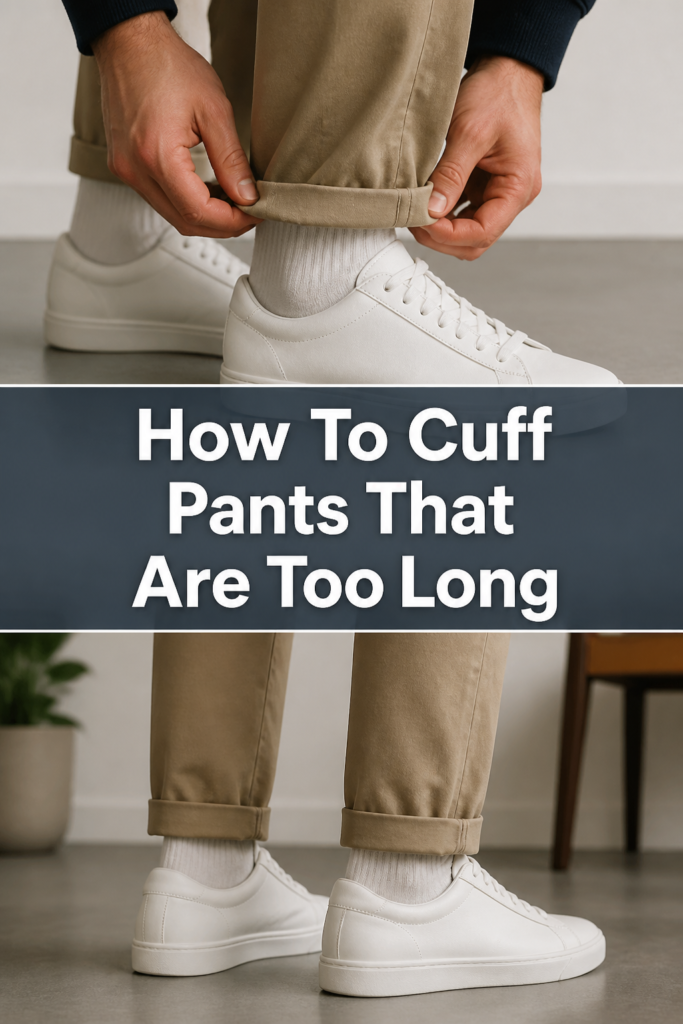
Fold the hem upwards by about 1 to 1.5 inches. Ensure the fold is even all the way around the leg.
Repeat on the other leg, trying to match the height exactly. Try them on to check the length.
Step 5: The Classic Double Cuff
The double cuff adds a bit more structure and weight to the hem. It’s great for jeans, chinos, and even some heavier wool trousers.
Start by creating a single cuff, as described in Step 4. Ensure this first fold is neat and even.
Now, fold that newly created cuff upwards again, by the same amount. This creates a double layer of fabric.
The goal is for the second fold to be the same width as the first, resulting in a clean, stacked look. Adjust both cuffs to be perfectly symmetrical.
Step 6: The Modern Pinroll (For Tapered Legs)
The pinroll is perfect for tapering a wider pant leg and creating a snug fit around your ankle. It works best with sneakers or low-profile shoes.
Pinch the excess fabric along the inseam (the inner seam of your pant leg) so the pant leg tightens around your ankle. You’ll be gathering the fabric towards the back of your leg.
While holding the pinch, fold the hem upwards by about 1 inch. Keep the pinched fabric secured.
Now, fold the cuff upwards a second time, by the same amount. This secures the pinch and creates a neat, tapered cuff.
Pro Tip: Practice the pinroll on one leg first until you get it right, then match it on the other. It takes a little coordination but looks fantastic when done well.
Step 7: Refine and Press Your Cuffs
Once you’ve chosen your cuff style and achieved the desired length, take a moment to refine them. Ensure both cuffs are the same height and width.
Smooth out any wrinkles or bulges within the cuff itself. The goal is a crisp, clean line.
For a more permanent and sharp look, iron your cuffs. Set your iron to the appropriate heat for your fabric.
Carefully press the folded edge of the cuff. This will help the cuff hold its shape throughout the day.
Step 8: Final Check for Comfort and Style
Walk around in your cuffed pants. Do they feel comfortable? Are they too tight or too loose around the ankle?
Look in the mirror from different angles. Does the cuff complement your shoes and the overall outfit? Make any minor adjustments now.
Common Mistakes to Avoid
Uneven Cuffs
One of the most common errors is having cuffs of different heights or widths on each leg. This instantly makes your outfit look sloppy. Always take the time to measure or eyeball carefully, and adjust until both sides match.
Cuffing the Wrong Pant Style
While most casual pants can be cuffed, very formal trousers or those with a delicate fabric might not be suitable. Cuffing dress pants can sometimes disrupt their tailored drape. Stick to denim, chinos, corduroys, and cargo pants for best results.
Making Cuffs Too Bulky or Tight
A cuff that’s too wide can look disproportionate, especially on shorter individuals or with very tapered pants. Conversely, a cuff that’s too tight can restrict movement and look uncomfortable. Aim for a balanced proportion that flatters your leg shape.
Not Securing the Cuff
If your cuffs constantly unravel or lose their shape, you might not be pressing them enough, or the fabric might be too slippery. A quick iron makes a big difference in keeping your cuffs sharp and in place all day.
Troubleshooting
My Cuffs Won’t Stay Up
This often happens with softer fabrics or if the cuff isn’t pressed firmly. Try ironing the cuff thoroughly with steam, if appropriate for the fabric. For persistent issues, a small, discreet stitch inside the cuff can secure it semi-permanently.
The Cuffs Look Too Bulky
If your cuffs appear thick or cumbersome, especially with heavier denim, you might be folding them too wide. Experiment with a narrower fold (e.g., 0.75 to 1 inch). Sometimes, a single cuff is better than a double cuff for reducing bulk.
The Pants Feel Uncomfortable Around the Ankle
This is a common issue with pinrolls or very tapered pants. Ensure you’re not pulling the fabric too tightly when you pinch it. You should be able to move your ankle freely. If it’s still uncomfortable, a single or double cuff might be a better choice for that particular pair of pants.
Key Takeaways
- Always try on pants with the shoes you intend to wear to find the perfect cuff length.
- Choose your cuff style – single, double, or pinroll – based on the pant fabric, leg opening, and desired aesthetic.
- Precision is key: ensure both cuffs are even in height and width for a polished look.
- Ironing your cuffs will help them hold their shape and give a sharper appearance.
- Don’t be afraid to experiment with different cuff heights and styles to find what works best for you.
Frequently Asked Questions
Can I cuff any type of pants?
Most casual pants like jeans, chinos, and even some cargo pants are excellent candidates for cuffing. However, very formal dress trousers or pants made from delicate silks might not hold a cuff well or could look out of place.
How high should I cuff my pants?
The ideal height depends on your personal style, the pants, and your shoes. A common guideline is to have the cuff sit just above your ankle bone or slightly higher, allowing a hint of sock or skin to show. For a more conservative look, the cuff can simply clear the top of your shoe.
Does cuffing work for all body types?
Yes, cuffing can work for everyone. Taller individuals might enjoy showing off more ankle, while shorter individuals can use a smaller, neat cuff to avoid overwhelming their frame. The key is to find a cuff width that is proportionate to your leg length and pant style.
Will cuffing damage my pants?
No, temporary cuffing will not damage your pants. If you iron your cuffs frequently or use a very tight pinroll, you might notice a slight crease line over time. This is usually not permanent and can be ironed out if you decide to uncuff them.
Our Top Recommended Finds
- Tailor’s Chalk: Great for marking your desired cuff length precisely before folding.
- Retractable Measuring Tape: Essential for ensuring both cuffs are exactly the same height.
- Steam Iron: A good quality iron makes all the difference in achieving crisp, long-lasting cuffs.
Embrace Your Inner Stylist
Cuffing your pants is more than just a practical solution for excess length; it’s a simple, effective styling trick. It allows you to personalize your look, highlight your footwear, and add a touch of intentionality to your outfit.
Now that you have the tools and techniques, it’s time to put them into practice. Grab a pair of your favorite pants and start experimenting with different cuff styles. You might discover a whole new way to wear them.