👔 How To Wear A Suit Without A Tie
I remember feeling confined by traditional formal wear for years. The tie often felt like a sartorial straitjacket, limiting my expression and comfort. Discovering the art of wearing a suit without one was a revelation, opening up a world of effortless style.
This guide will share the practical steps I’ve learned, helping you master this versatile and modern look with confidence and flair. Trust me, it’s a game-changer for your wardrobe.
Quick Overview
This guide will empower you to confidently style a suit without a tie, understanding the nuances that elevate the look from casual to chic. You will learn to create a polished, modern aesthetic that works for various occasions.
- Time needed: 10-15 minutes (for initial outfit assembly)
- Difficulty: Beginner
- What you’ll need: A suit, a dress shirt, appropriate shoes, and optional accessories like a pocket square or watch.
Step-by-Step Instructions
Step 1: Choose the Right Suit Fabric and Style
The foundation of a successful tie-less suit look begins with the suit itself. Opt for fabrics that lean slightly less formal, such as linen, cotton, or a lightweight wool blend. These materials naturally suggest a more relaxed vibe than heavy worsted wool.
Consider suits with a softer shoulder or less structure. Unstructured or deconstructed blazers are perfect for this aesthetic. Avoid overly formal pinstripes or very dark, stiff business suits, which can look incomplete without a tie.
Step 2: Select the Perfect Shirt
This is arguably the most critical element when going tie-less. Your shirt’s collar and fit are paramount. A stiff, wide-spread collar or a sharp cutaway collar works beautifully, providing structure around your neck.
Button-down collars are also excellent for a casual yet refined look, as the buttons keep the collar points in place. Ensure the shirt fits impeccably, neither too tight nor too baggy, especially around the neck and chest. A quality shirt will make all the difference.
Pro Tip: Look for shirts with a slightly higher collar stand. This helps the collar sit better and prevents it from collapsing flat against your chest, which can look sloppy.
Step 3: Master the Open Collar
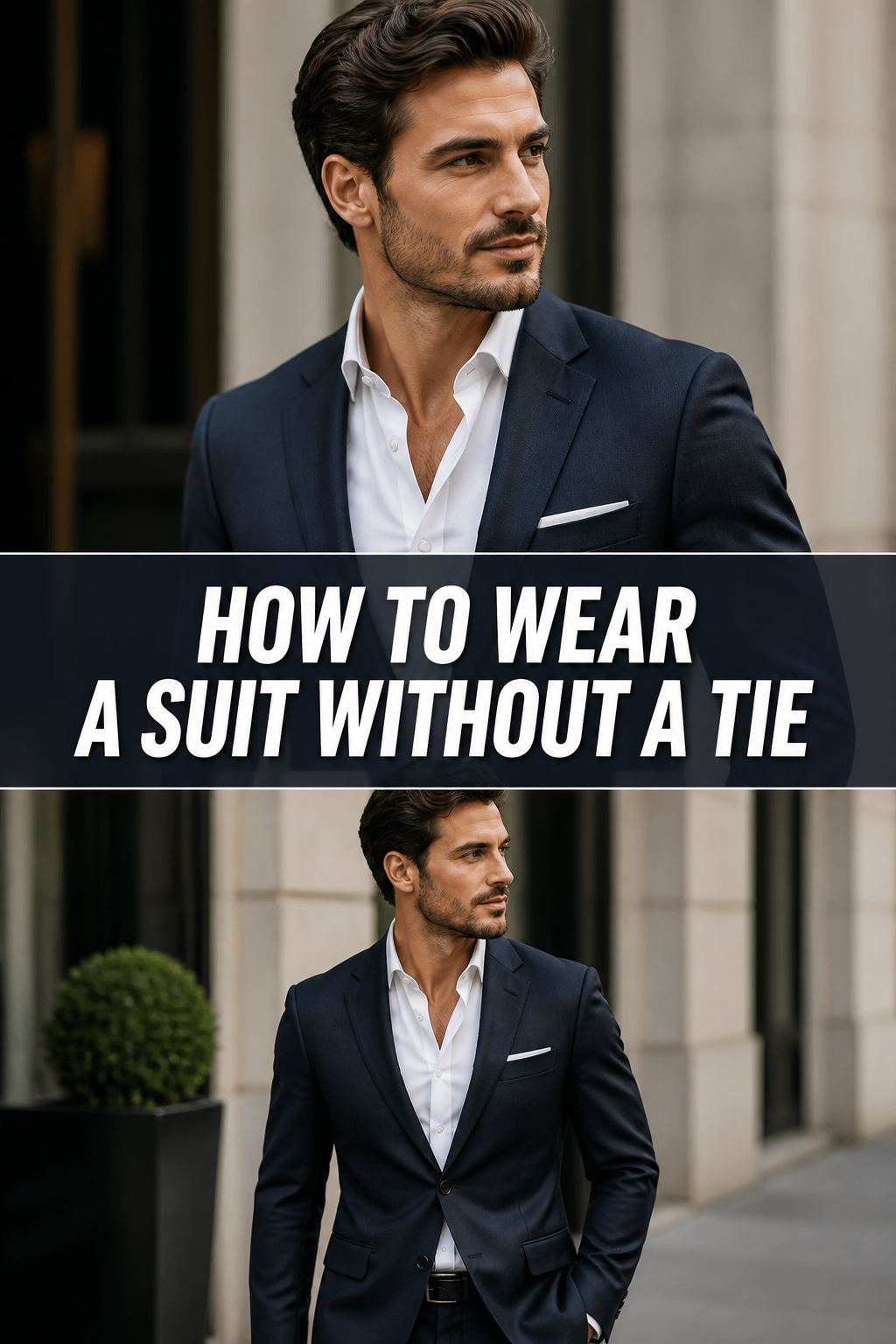
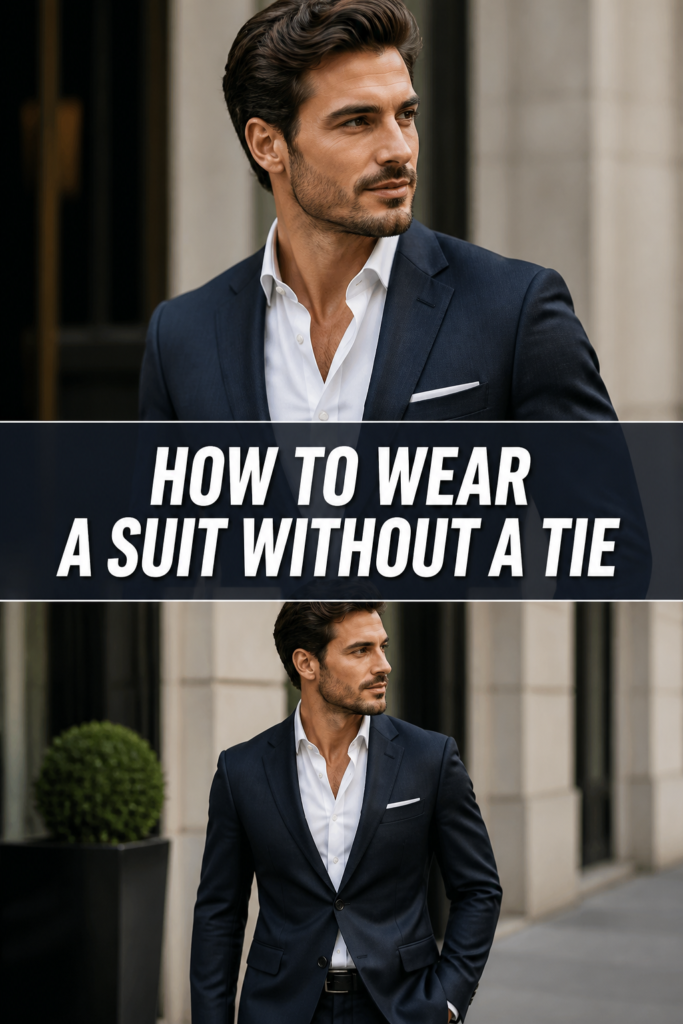
The way you wear your collar open dictates the overall impression. For most situations, unbuttoning just one or two buttons is ideal. This creates a clean “V” shape that elongates the neck and offers a sophisticated casualness.
Avoid unbuttoning more than two buttons, as this can quickly transition from stylish to overly casual or even disheveled. The goal is relaxed polish, not sloppiness. Your undershirt, if worn, should never be visible.
Step 4: Pay Attention to Fit
A well-fitting suit is non-negotiable when ditching the tie. Without the formality of a tie, any imperfections in fit become more apparent. Ensure your jacket shoulders sit perfectly, the sleeves are the correct length, and the waist is tailored.
Trousers should have a clean break or no break, depending on your preference and shoe choice. A precisely tailored suit signals intentional style, not just forgotten neckwear. This attention to detail elevates the entire ensemble.
Step 5: Accessorize Thoughtfully
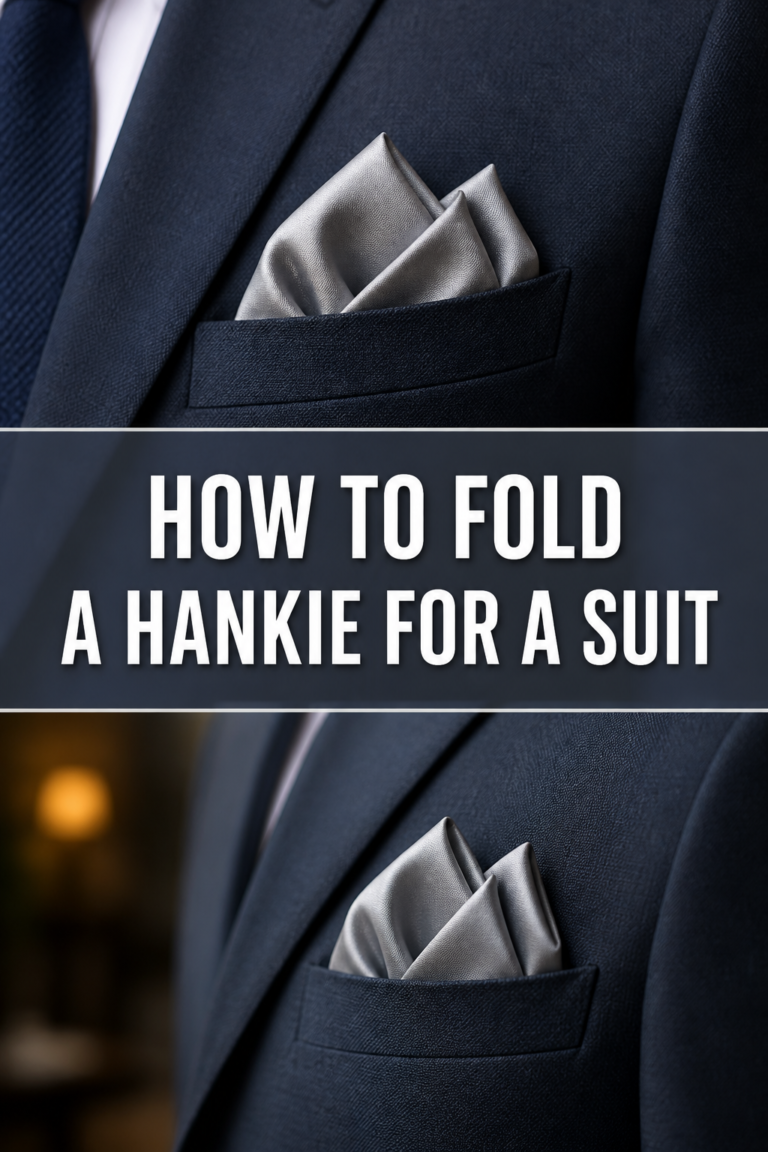
With no tie to draw the eye, other accessories gain prominence. A well-chosen pocket square is an excellent way to add personality and color. Fold it neatly or puff it casually, depending on the desired effect.
A stylish watch, a subtle lapel pin, or elegant cufflinks (if wearing a French cuff shirt) can also enhance the look. Remember, less is often more; aim for one or two key accessories to make a statement without overwhelming the outfit.
Step 6: Choose Your Footwear Wisely
Your shoe choice can significantly influence the formality of your tie-less suit. For a smart-casual vibe, consider loafers, sleek derbies, or even clean, minimalist sneakers. Brown leather shoes often pair well with this relaxed approach.
If you’re aiming for a slightly dressier but still tie-free look, polished Oxfords or monk straps are appropriate. Ensure your shoes are clean and well-maintained, as they are a key finishing touch. The right footwear grounds the entire outfit.
Step 7: Consider Layering (Optional)
For an even more relaxed or contemporary take, consider subtle layering under your suit jacket. A fine-gauge knit sweater or a merino wool turtleneck can create a sophisticated, warm look in cooler weather. This works especially well with a more casual suit fabric.
A plain, high-quality crew-neck t-shirt can also be worn under a suit jacket for a very modern, casual interpretation. This look requires confidence and a perfectly fitting suit and t-shirt to avoid looking sloppy. Always prioritize quality materials.
Step 8: Hair and Grooming
The tie-less suit look often projects an air of effortless cool and sophistication. This makes good grooming absolutely essential. A neat haircut, well-groomed facial hair (if applicable), and a fresh appearance contribute significantly.
Your overall presentation should be polished and intentional. This ensures the relaxed nature of the tie-less suit doesn’t translate into an unkempt appearance. Attention to personal grooming reinforces the stylish intent.
Step 9: Confidence is Key
Ultimately, the most important accessory you can wear is confidence. A suit without a tie is a statement of personal style and comfort. Own the look, and carry yourself with assurance.
Your attitude will sell the outfit more than any specific garment. When you feel good in what you’re wearing, it shows, and others will perceive your style as authentic and well-executed.
Common Mistakes to Avoid
Poor Shirt Choice
One of the most frequent errors is wearing a shirt with a flimsy or overly soft collar. Without a tie to hold it in place, such a collar will often collapse or spread awkwardly, making the entire look appear sloppy. A shirt designed for a tie-less look needs inherent structure.
Another mistake is choosing a shirt that is too formal, like one with a very narrow, stiff point collar. This can create an odd contrast with the tie’s absence, making it seem like something is missing rather than intentionally left out. Opt for collars with a bit more substance and spread.
Neglecting Fit
A suit that doesn’t fit well is instantly noticeable, especially without a tie to distract. Baggy trousers, an ill-fitting jacket, or sleeves that are too long will undermine any attempt at looking polished. The relaxed vibe of a tie-less suit does not excuse poor tailoring.
Conversely, a suit that is too tight can look uncomfortable and restrictive, defeating the purpose of a more relaxed style. Invest in proper tailoring; it’s the best way to ensure your suit flatters your physique and looks intentional.
Over-Accessorizing
Some might feel the urge to compensate for the missing tie by adding too many other accessories. This can lead to a cluttered and distracting look. A tie-less suit thrives on understated elegance and simplicity.
Resist the temptation to wear multiple lapel pins, a flashy watch, and an overly vibrant pocket square all at once. Choose one or two focal points to enhance, rather than overwhelm, your outfit. Subtlety is key to refined style.
Ignoring the Occasion
While versatile, the tie-less suit is not suitable for every event. Wearing it to a black-tie event, a very formal business meeting, or a traditional wedding where a strict dress code is in place would be a misstep. It shows a lack of respect for the occasion.
Always consider the event’s formality and the expectations of your hosts or colleagues. When in doubt, it’s better to err on the side of slightly more formal than underdressed. Understand the context before deciding on your look.
Troubleshooting
My collar looks messy/floppy
A common complaint is a collar that won’t stay crisp and open, instead collapsing or splaying out awkwardly. This usually stems from the shirt’s fabric quality or collar construction.
Solution: Invest in shirts with stiffer collars, often found in higher-quality cotton or linen blends. Consider using collar stays (small plastic or metal inserts) to maintain the collar’s shape. Button-down or cutaway collars are inherently better at holding their form.
The outfit feels incomplete
Sometimes, without the visual anchor of a tie, the overall look can feel a bit sparse or lacking a focal point. This often happens when the suit and shirt are very plain.
Solution: Introduce a carefully chosen accessory. A vibrant silk pocket square can instantly add color and texture, drawing the eye. A stylish watch or a subtle lapel pin can also provide that missing element of visual interest and sophistication.
I feel underdressed
If you’re accustomed to wearing a tie and feel a tie-less suit makes you look too casual, you might be questioning the formality of your outfit. This feeling can arise if your suit itself is very relaxed or your shirt choice is too informal.
Solution: Elevate the formality through your choices. Opt for a suit in a richer fabric like fine wool, ensuring it’s perfectly pressed. Choose a crisp, white dress shirt with a strong collar, and pair it with more formal shoes like polished Oxfords. A structured blazer can also help.
Key Takeaways
- Fit is paramount for a polished, tie-less suit look, ensuring every garment is tailored to perfection.
- The right shirt collar, such as a spread or cutaway, provides essential structure and defines the aesthetic.
- Thoughtful accessorizing, like a pocket square or a quality watch, adds personality without overdoing it.
- Always consider the occasion and dress code to ensure the tie-less suit is appropriate and respectful.
- Confidence is your best accessory; own the look to truly make it shine.
- Avoid common mistakes like poor shirt choice or neglecting tailoring to maintain a sophisticated appearance.
Frequently Asked Questions
Can I wear a t-shirt under a suit without a tie?
Yes, you absolutely can, but with careful consideration. This creates a very modern and casual aesthetic. Ensure the t-shirt is of high quality, fits well (not baggy), and is plain, without visible logos or graphics.
Stick to neutral colors like white, black, or navy. This look works best with a more casual suit fabric, like linen or cotton, and can be perfect for creative industries or relaxed evening events.
What collar style is best for a tie-less suit?
Collar styles that offer some structure and spread are generally best. Cutaway collars and spread collars are excellent choices as they naturally open up the neckline beautifully. Button-down collars also work well, keeping the collar points neat and in place.
Avoid very narrow point collars, which can look awkward without a tie. A collar with a good stand will also prevent it from flopping flat against your chest.
Is this look appropriate for an office job?
The appropriateness of a tie-less suit for an office job depends entirely on your workplace culture. In more traditional or formal corporate environments (e.g., law firms, finance), it might be considered too casual.
However, in many modern, business-casual, or creative offices, it’s perfectly acceptable and can project a stylish, approachable professionalism. When in doubt, observe your colleagues or check your company’s dress code policy.
How many buttons should I unbutton?
For a sophisticated and clean tie-less look, it’s generally recommended to unbutton just one or, at most, two buttons on your shirt. This creates a neat “V” shape at your neckline without revealing too much.
Unbuttoning more than two buttons can quickly make the look appear overly casual or even sloppy. The key is to achieve a relaxed yet polished aesthetic, so restraint is important.
Our Top Recommended Finds
- Quality Collar Stays: Essential for keeping your collar points sharp and preventing them from curling or flopping, ensuring a crisp, polished look.
- A Versatile Pocket Square Set: A collection of silk or linen pocket squares in various patterns and solid colors can instantly elevate any tie-less suit, adding a touch of personal flair.
- A Good Quality Lint Roller: A well-maintained suit is crucial for a sharp appearance. A reliable lint roller keeps your suit pristine and free of dust or pet hair.
Your Next Step in Sartorial Freedom
Wearing a suit without a tie is more than just shedding an accessory; it’s an embrace of modern elegance and personal comfort. You now have the tools to master this sophisticated yet relaxed look. It’s about confidence, fit, and thoughtful choices.
Don’t be afraid to experiment with different shirt collars, suit fabrics, and subtle accessories. Start today by trying on one of your suits with a favorite shirt and no tie. See how it feels, adjust, and make it your own. The world of sartorial freedom awaits!