👗 How To Wear A Shirt With A Skirt
Pairing a shirt with a skirt can feel like a fashion puzzle. You want to look effortlessly chic, not like you just threw on two random pieces.
I’ve personally spent years refining how to combine these wardrobe staples, discovering tricks that transform a simple outfit into something truly polished.
This guide shares my practical insights to help you master this versatile styling technique with confidence.
Quick Overview
This guide will equip you with the knowledge to expertly combine shirts and skirts for various occasions, enhancing your personal style.
- Time needed: 15-30 minutes (for initial understanding and practice)
- Difficulty: Beginner to Intermediate
- What you’ll need: A variety of shirts, skirts, belts, and a full-length mirror
Step-by-Step Instructions
Step 1: Choose Your Foundation Pieces
Begin by selecting the shirt and skirt you want to pair. Think about the occasion, your personal style, and the overall vibe you wish to create.
A crisp button-down shirt offers a structured, professional look, while a soft knit top can lean more casual or relaxed.
Consider the skirt’s silhouette too. A flowing A-line skirt will create a different feel than a sleek pencil skirt.
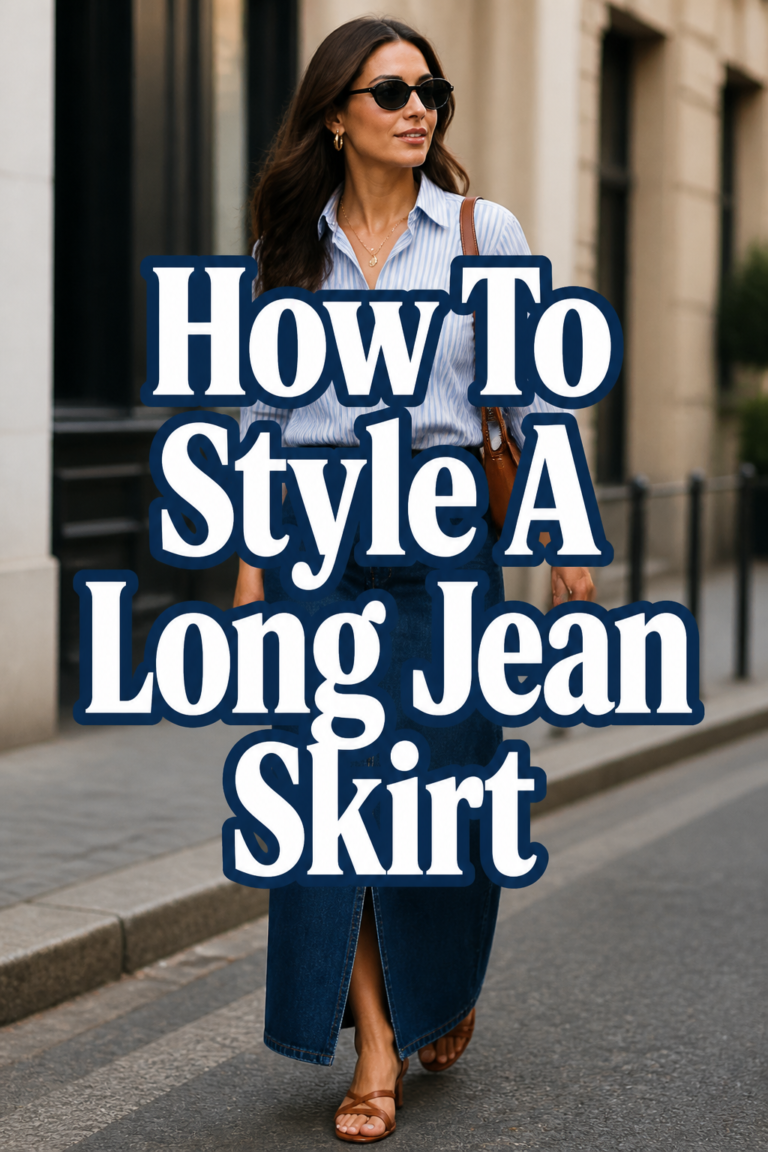
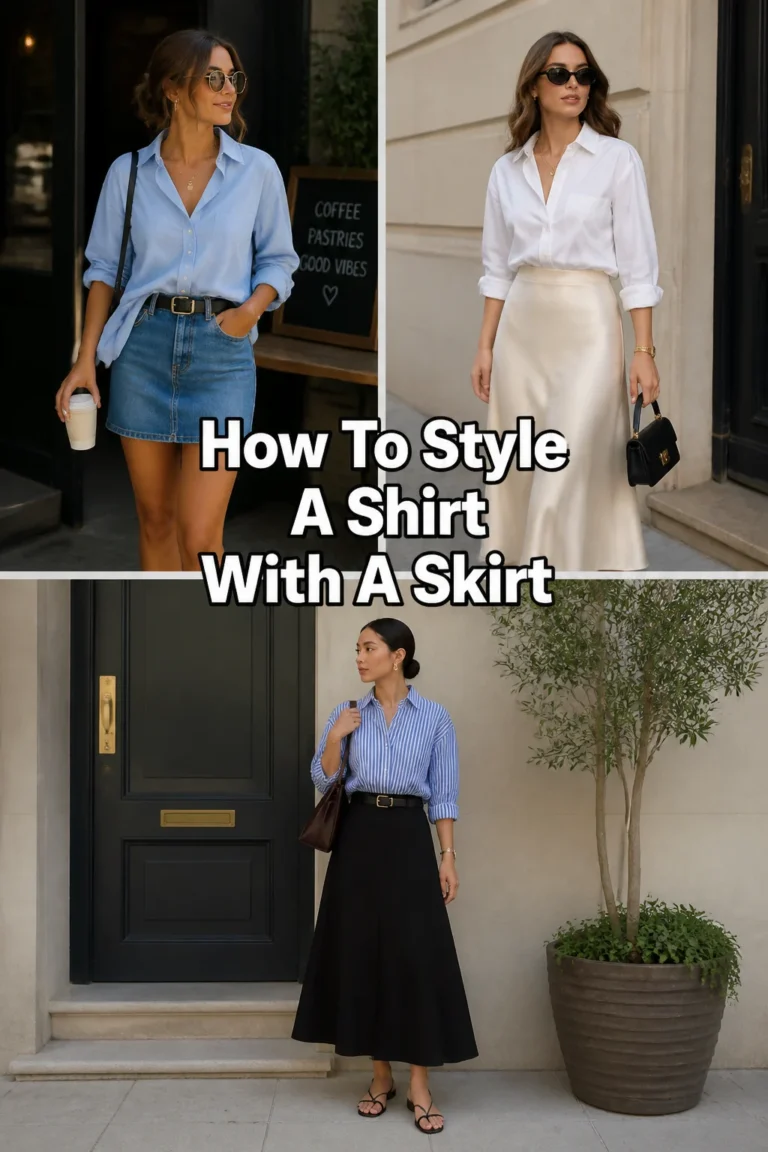
Pro Tip: Start with classic combinations like a white button-down and a denim skirt to build confidence before experimenting with bolder choices.
Step 2: Consider the Fabric and Fit
The fabric of both your shirt and skirt plays a crucial role in how they drape and interact. Lighter fabrics like silk or rayon tuck easily and create less bulk.
Thicker fabrics, such as flannel or heavy cotton, might require a different tucking technique or be better suited for an untucked, layered look.
Ensure your shirt isn’t overly baggy if you plan to tuck it in, as excess fabric can create an unflattering bulge around your waist.
Step 3: Master the Tuck
How you tuck your shirt can completely change your outfit’s aesthetic. There are several effective methods.
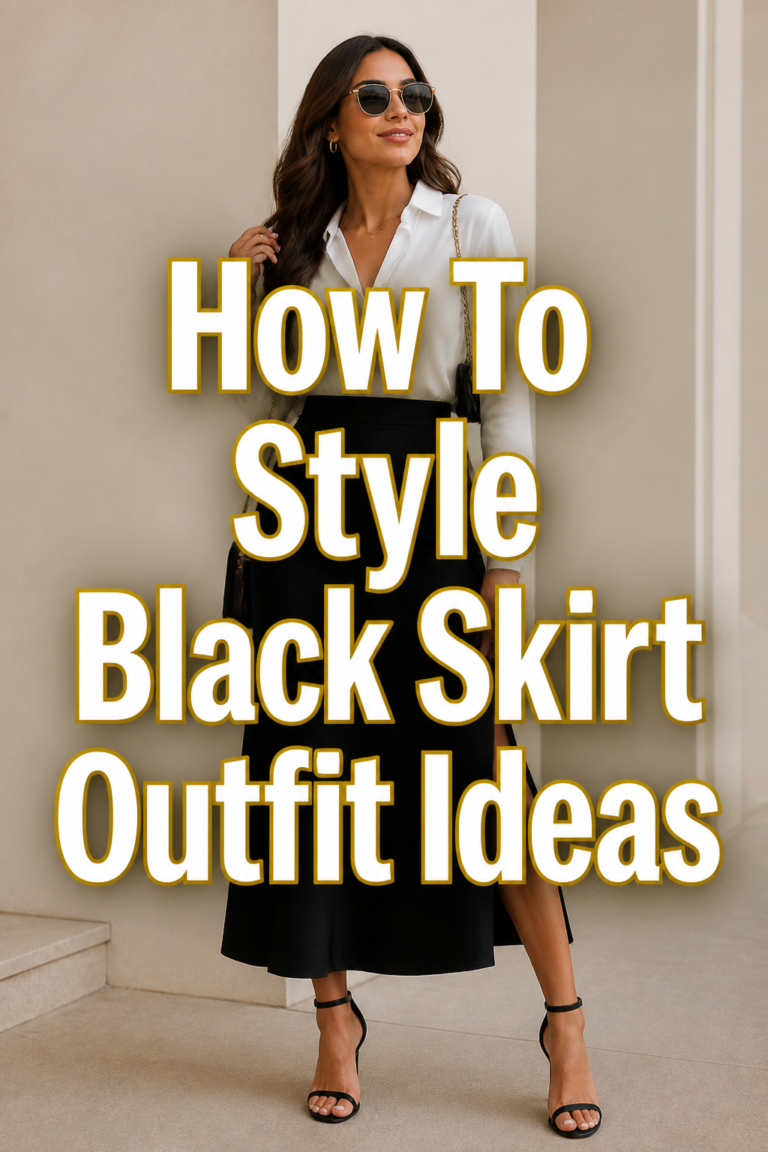
The full tuck involves neatly tucking your entire shirt into your skirt. This creates a clean, polished, and often more formal appearance.
For a more relaxed yet put-together look, try the French tuck (also known as the half-tuck). Only the front portion of your shirt is tucked in, leaving the back loose.
The half-tuck can also involve tucking in just one side of your shirt. This adds an asymmetric, stylish touch.
For shirts that are too long or bulky for a full tuck, consider tying a knot at the front or side. This works especially well with casual shirts like t-shirts or chambray shirts.
Pro Tip: After tucking, raise your arms above your head gently. This allows the shirt to settle naturally and prevents it from feeling too restrictive or pulling out immediately.
Step 4: Experiment with Layering
Layering can add depth and interest to your shirt and skirt combination. A fitted camisole or tank top underneath can smooth your silhouette and prevent sheerness.
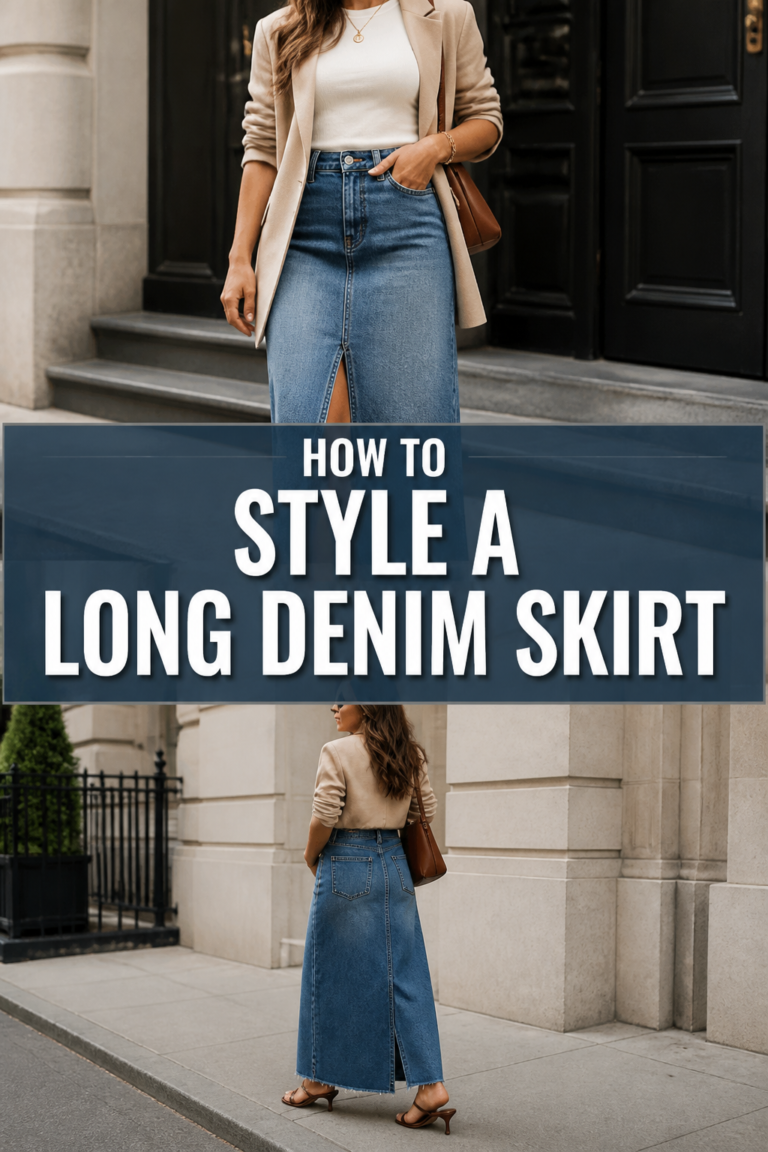
Consider adding a cardigan, blazer, or denim jacket over your shirt. This not only adds warmth but also introduces another texture and dimension to your outfit.
A vest can also be a stylish layering piece, especially over a button-down shirt. It offers a sophisticated touch.
Step 5: Define Your Waist
Emphasizing your waistline is key to creating a balanced and flattering silhouette when pairing a shirt with a skirt. This is particularly important when tucking in your shirt.
A belt is an excellent tool for defining your waist. Choose a belt that complements your outfit’s colors and style.
A wide belt can create a strong focal point, while a thin belt offers a more subtle definition.
Even without a belt, the act of tucking your shirt inherently highlights your natural waist, creating an hourglass effect.
Pro Tip: If your skirt has a high waist, tucking your shirt into it will elongate your legs and create a very flattering proportion.
Step 6: Accessorize Thoughtfully
Accessories can elevate your shirt and skirt ensemble from simple to spectacular. Think beyond just a belt.
Necklaces, earrings, and bracelets can add sparkle or a pop of color. Choose pieces that complement the neckline of your shirt and the overall style.
Footwear plays a significant role. Heels can dress up a casual skirt, while sneakers can make a formal skirt more approachable.
A handbag or clutch should also align with the occasion and your outfit’s aesthetic. It ties the whole look together.
Step 7: Balance Proportions
Achieving balance is crucial for a cohesive look. If your skirt is voluminous (like a full A-line or pleated skirt), a more fitted shirt often works best.
Conversely, if your skirt is sleek and form-fitting (like a pencil skirt), you might pair it with a slightly looser, flowier shirt for contrast.
The goal is to avoid having too much volume or too much tightness in one area, creating visual harmony.
Consider the length of both pieces. A mini skirt with a long tunic shirt might feel unbalanced, while a midi skirt with a tucked-in blouse often looks harmonious.
Step 8: Check Your Look
Before stepping out, do a final check in a full-length mirror. Walk around, sit down, and stand up to ensure everything stays in place and feels comfortable.
Look at your outfit from all angles – front, back, and sides. Check for any unwanted bulges, wrinkles, or untucked areas.
Adjust your tuck, belt, or accessories as needed. This final review ensures you feel confident and polished throughout your day.
Common Mistakes to Avoid
Ignoring Proportions
One common pitfall is failing to balance the volumes of your shirt and skirt. Pairing a very loose, oversized shirt with an equally voluminous skirt can make your figure disappear.
Similarly, a super tight shirt with a very clingy skirt might look unbalanced or overly restrictive. Always aim for contrast in fit.
If one piece is flowing, make the other more fitted. This creates a pleasing silhouette that highlights your shape.
Over-Tucking or Under-Tucking
Tucking incorrectly can ruin an otherwise great outfit. Over-tucking, where too much fabric is crammed into the waistband, creates an unsightly bulge.
Under-tucking, where the shirt barely stays in, leads to constant adjustments and a sloppy appearance. Find the sweet spot where the shirt is secure but still drapes naturally.
Practice different tucks to see what works best for your shirt’s fabric and your skirt’s waistband.
Wrong Fabric Combinations
Not all fabrics play well together. Pairing a very delicate silk blouse with a heavy tweed skirt, for example, might feel mismatched in texture and weight.
Similarly, trying to tuck a thick, chunky knit sweater into a sleek satin skirt can create uncomfortable bulk. Consider how fabrics will interact and whether they complement each other.
Aim for fabrics that share a similar formality or create an intentional, harmonious contrast.
Forgetting the Waistline
Failing to define your waist can make your shirt and skirt outfit look shapeless, especially if you’re not tucking in your shirt. This can make your torso appear longer and your legs shorter.
Even with an untucked shirt, consider a belt worn over the shirt at your natural waist, or choose a cropped shirt that naturally hits the waistband of your skirt.
A well-defined waist is key to creating a flattering and put-together look with this combination.
Troubleshooting
Shirt constantly untucking
If your shirt keeps pulling out, it might be too short for a full tuck, or the fabric is too slippery. Try using double-sided fashion tape along the inside of your skirt’s waistband to secure the shirt.
Alternatively, consider a bodysuit-style shirt, which offers the look of a tucked-in shirt without the worry of it coming undone. If your shirt is simply too short, try a French tuck or a knot instead.
Outfit feels shapeless
A shapeless look often stems from a lack of waist definition or unbalanced proportions. If your shirt is loose and your skirt is also flowing, your figure can get lost.
Introduce a belt to cinch the waist, even over an untucked shirt, or opt for a tucking method that highlights your natural waist. Ensure there’s a contrast in fit between your top and bottom.
Look feels too casual or too formal
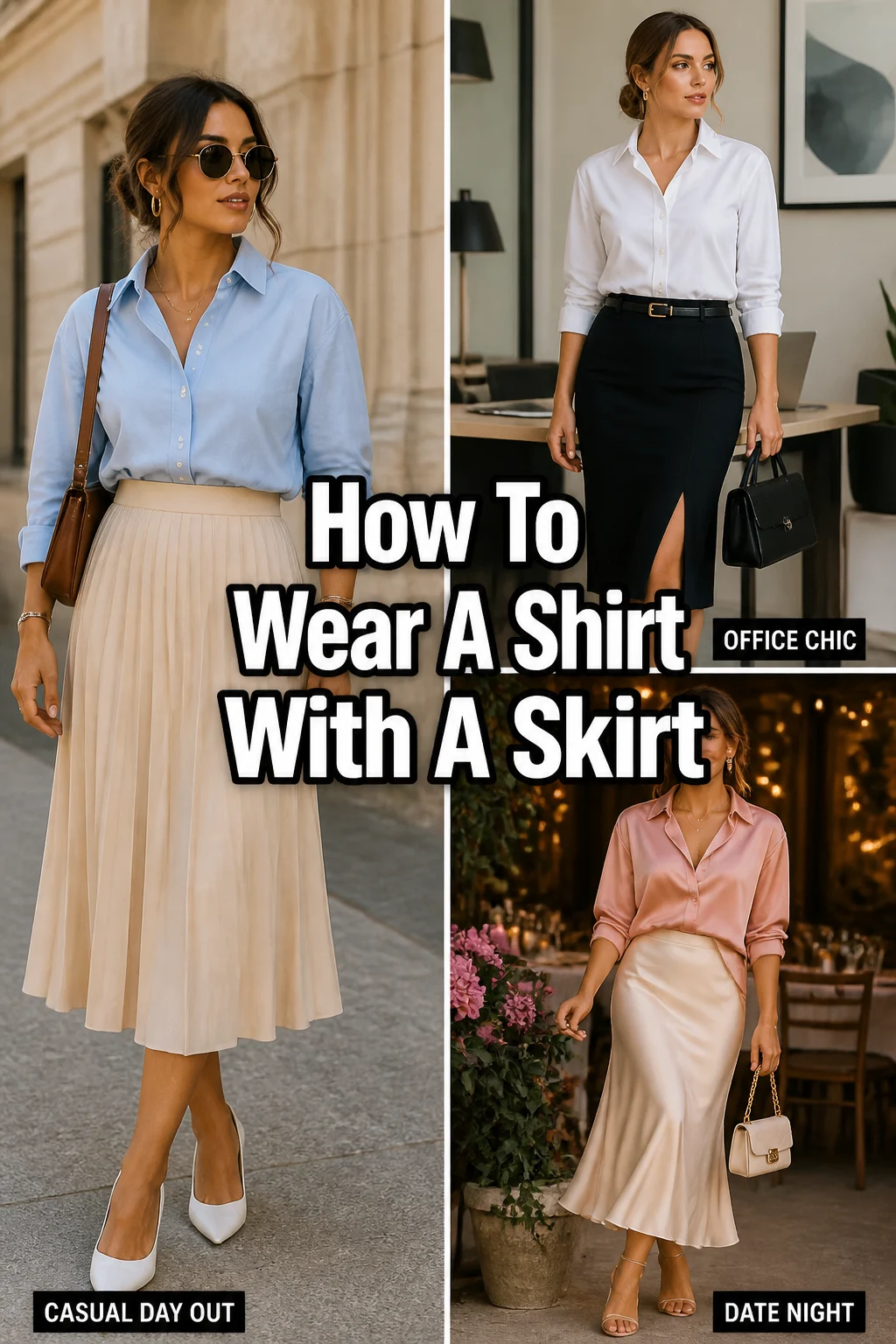
Adjusting the formality involves your choice of accessories, shoes, and sometimes the shirt’s fabric. To dress up a casual outfit, add heels, statement jewelry, and a structured bag.
To make a formal look more casual, swap heels for stylish sneakers, add a denim jacket, or choose a more relaxed handbag. The right shoes and accessories are powerful tools for transforming an outfit’s vibe.
Key Takeaways
- Always consider the occasion and desired aesthetic when choosing your shirt and skirt.
- Master various tucking techniques (full, French, half) to control your outfit’s formality and shape.
- Use a belt to define your waist and create a flattering silhouette, especially with tucked-in shirts.
- Balance the volume and fit of your shirt and skirt for a harmonious and proportional look.
- Thoughtful accessories, including shoes, can significantly alter the overall vibe of your ensemble.
- Perform a final check in the mirror from all angles to ensure comfort and polish before heading out.
Frequently Asked Questions
Can I wear a t-shirt with a formal skirt?
Absolutely! Pairing a well-fitting, high-quality t-shirt with a formal skirt (like a satin midi or a pleated maxi) creates a stylish high-low look. Tuck in the t-shirt and add elegant accessories like heels and a structured bag to elevate it further.
How do I make a long shirt work with a skirt?
For long shirts, a full tuck might create too much bulk. Try a French tuck, tucking just the front in. Alternatively, tie the front of the shirt into a knot at your waist, or layer it under a cropped sweater or vest, allowing only the bottom hem to peek out.
What shoes should I wear?
The shoes depend on the skirt’s style and the desired formality. Heels or elegant flats work well with formal or business casual skirts. Sneakers or sandals are perfect for casual skirts. Boots can add an edgy or sophisticated touch, especially with midi or maxi skirts.
Should my shirt and skirt always be contrasting colors?
Not necessarily. While contrasting colors create visual interest, a monochromatic look (different shades of the same color) or a tonal outfit (similar colors) can be incredibly chic and sophisticated. Experiment with both to see what suits your personal style.
Our Top Recommended Finds
- High-Quality Belt: A versatile leather belt in a neutral color instantly defines your waist and elevates any outfit.
- Double-Sided Fashion Tape: Essential for keeping shirt hems in place, securing necklines, and preventing wardrobe malfunctions.
- Steamer or Iron: A wrinkle-free shirt and skirt make all the difference in achieving a polished, put-together appearance.
Elevate Your Style, One Outfit At A Time
You now have the tools and techniques to confidently pair shirts with skirts, transforming everyday pieces into stylish statements.
The beauty of this combination lies in its versatility. You can dress it up, dress it down, and adapt it to countless occasions.
Don’t be afraid to experiment with different textures, colors, and tucking methods. Start with what you have in your closet today and begin creating your next favorite outfit.