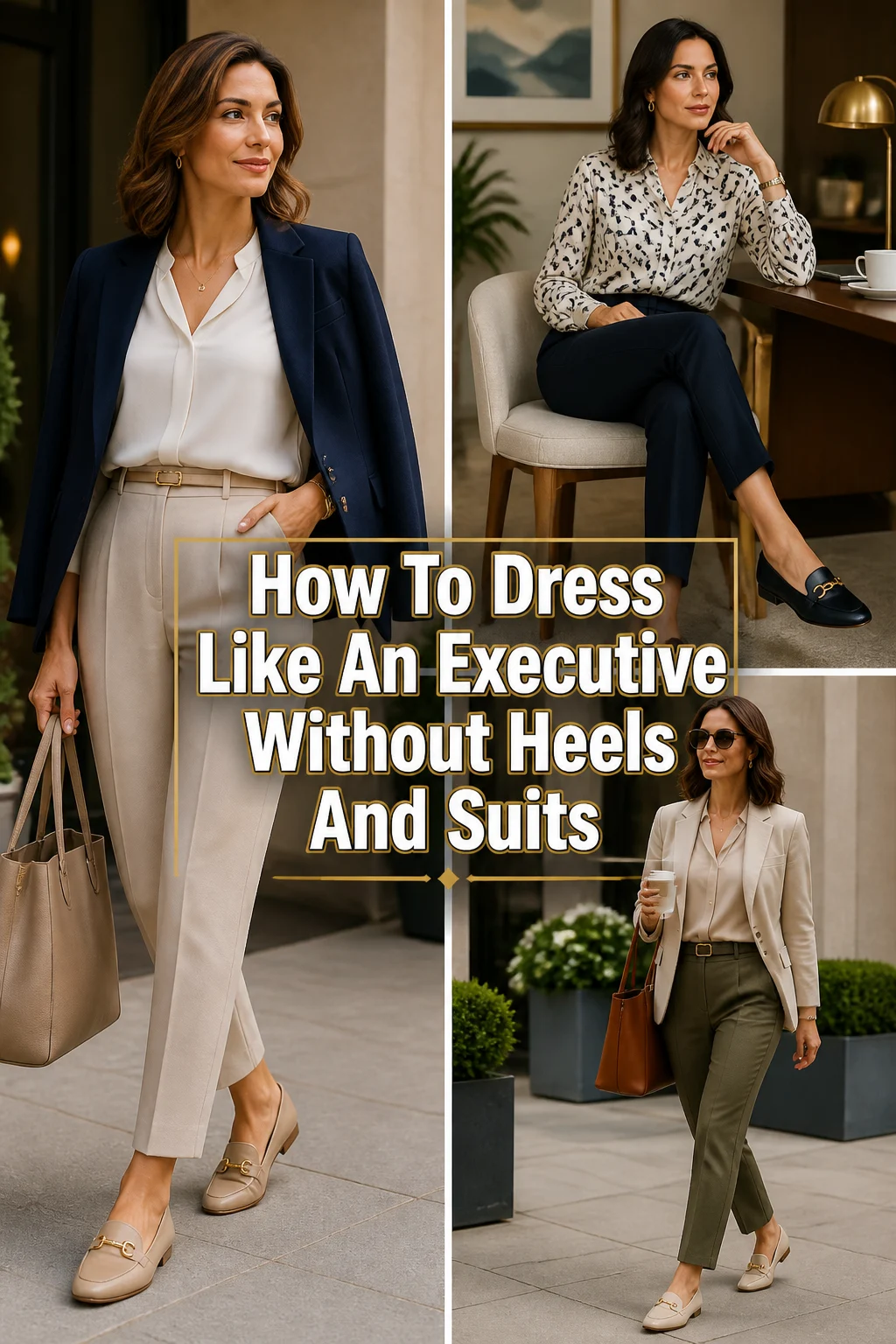
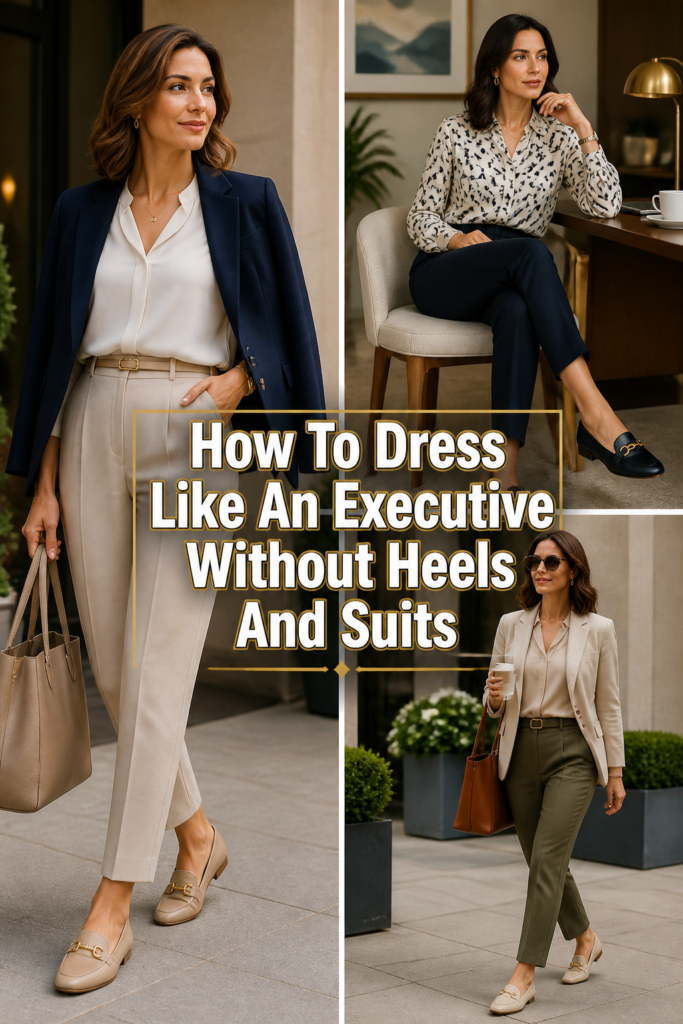
💼 How To Dress Like An Executive Without Heels And Suits
For years, I believed that true executive presence demanded uncomfortable heels and rigid suits. It felt like a uniform that stifled my personal style and physical comfort.
Then, I discovered a different path, one where professionalism and power could coexist with ease and authenticity. This guide will help you cultivate that same sophisticated executive image, entirely on your terms.
Quick Overview
This guide will transform your wardrobe into a collection of powerful, comfortable, and versatile executive attire. You’ll learn to project authority and confidence without sacrificing your personal style or comfort.
- Time needed: 2-4 hours (initial wardrobe assessment and planning)
- Difficulty: Beginner to Intermediate
- What you’ll need: Your current wardrobe, a measuring tape, a mirror, and an open mind.
Step-by-Step Instructions
Step 1: Define Your Executive Aesthetic
Every workplace has a unique culture, and your personal style should resonate with it while maintaining your individuality. Observe how established leaders in your field dress for inspiration.
Consider your daily tasks and environment. Are you in a creative industry, a corporate office, or a hybrid setting? This understanding will inform your clothing choices.
Think about the message you want to convey. Do you aim for approachable leadership, innovative vision, or classic authority? Your clothes are a powerful non-verbal communicator.
Pro Tip: Create a digital mood board using Pinterest or Instagram. Collect images of outfits, colors, and styles that embody the executive look you admire and feel comfortable wearing.
Step 2: Master the Art of Fabric and Texture
The quality of your fabric speaks volumes, often more than the cut itself. Choose natural fibers like wool, silk, cotton, and linen for their drape, feel, and breathability.
Synthetic blends can work, but opt for those with a substantial feel and a matte finish. Avoid anything that looks cheap, shiny, or wrinkles easily.
Incorporate texture to add depth and interest to your outfits. Think about a cashmere sweater, a silk blouse, a tweed blazer, or structured cotton trousers. These elements elevate simple pieces.
Step 3: Embrace Structured Silhouettes
Structure is key to executive dressing, even without traditional suits. Look for pieces with clean lines and defined shapes.
A well-fitting blazer, even if worn over a dress or with trousers, instantly adds polish. Opt for blazers in various cuts – single-breasted, double-breasted, or collarless.
Consider tailored trousers, crisp blouses, pencil skirts, or A-line dresses. These garments inherently convey professionalism through their form.
Step 4: Curate a Neutral Core Wardrobe
Build your foundation around a palette of sophisticated neutrals. Black, navy, charcoal gray, white, cream, and camel are timeless and versatile.
These colors allow for endless mixing and matching, making your wardrobe incredibly efficient. They also serve as a perfect backdrop for subtle pops of color or interesting textures.
Investing in high-quality neutral pieces means they will last longer and always look chic. They form the backbone of your executive style.
Step 5: Strategically Incorporate Color and Pattern
Once your neutral core is strong, introduce color and pattern mindfully. Use them as accents to express personality and creativity.
A vibrant silk scarf, a jewel-toned blouse, or a subtly patterned skirt can add visual interest. Ensure colors are rich and patterns are sophisticated, not distracting.
Limit yourself to one or two colorful or patterned items per outfit. This keeps the look polished and prevents it from becoming overwhelming.
Step 6: Elevate with Intentional Accessories
Accessories are your secret weapon for transforming simple outfits into executive ensembles. They provide the finishing touch that ties everything together.
Invest in quality pieces like a structured handbag, a classic watch, elegant minimalist jewelry, or a sophisticated belt. These items should look refined and well-maintained.
Scarves are incredibly versatile. They can add a pop of color, texture, or pattern, and can be worn around the neck, as a headscarf, or even tied to a handbag.
Pro Tip: Choose accessories that complement your overall aesthetic and workplace culture. Less is often more when aiming for an executive look.
Step 7: Choose Sophisticated Footwear (Non-Heel)
Your shoes are crucial, even if they aren’t heels. Opt for elegant flats, loafers, pointed-toe mules, or refined ankle boots.
Ensure your footwear is always clean, polished, and in excellent condition. Scuffed or worn shoes can undermine an otherwise perfect outfit.
Consider materials like leather or suede for a luxurious feel. Comfort is paramount, so choose styles that you can confidently wear all day.
Step 8: Focus on Impeccable Grooming
Executive presence extends beyond your clothing. Your grooming habits significantly contribute to your overall polished image.
Maintain neat hair, whether it’s styled or pulled back. Ensure your nails are clean and well-manicured, even if they are unpolished.
A light, professional makeup application, if you wear it, should enhance your features subtly. A fresh and put-together appearance signals attention to detail.
Step 9: Invest in Quality Outerwear
The “third piece” rule is vital for executive dressing. A well-chosen blazer, structured cardigan, or trench coat can instantly elevate any outfit.
Outerwear completes your look, especially when transitioning between indoor and outdoor environments. It frames your silhouette and adds another layer of sophistication.
Choose outerwear in classic styles and quality fabrics that complement your core wardrobe. A tailored coat can make a simple dress and flats look incredibly chic.
Step 10: Ensure Perfect Fit and Tailoring
Fit is arguably the most important aspect of executive dressing. Clothes that fit well look expensive and intentional, regardless of their actual price.
Even off-the-rack items can be transformed by a good tailor. Hemming trousers, adjusting sleeves, or taking in a waist can make a significant difference.
Clothes that are too tight or too baggy detract from a professional image. Aim for a comfortable, streamlined fit that flatters your body shape.
Common Mistakes to Avoid
Ignoring Fit
Many people buy clothes that are either too big or too small, thinking it will hide imperfections or provide comfort. Ill-fitting clothing, however, makes you look sloppy and unkempt, diminishing your executive presence. Always prioritize tailoring; a well-fitted garment projects confidence and attention to detail, making even inexpensive pieces look polished.
Overlooking Fabric Quality
Choosing cheap, flimsy fabrics can make an outfit look less professional, even if the style is on point. Fabrics that wrinkle easily, pill quickly, or have an unnatural sheen detract from a sophisticated image. Invest in durable, quality fabrics that drape well and hold their shape, as they contribute significantly to the perceived value and longevity of your wardrobe.
Forgetting the “Third Piece”
An outfit consisting of just a top and bottom often feels incomplete or too casual. The “third piece” – a blazer, cardigan, vest, or jacket – adds depth, structure, and polish, instantly elevating your look to executive level. This layer creates visual interest and signals a thoughtful approach to dressing, making your ensemble appear more intentional and put-together.
Casualizing Too Much
While you’re avoiding suits and heels, it’s easy to veer too far into casual territory. Items like distressed denim, graphic tees, athletic wear, or overly relaxed silhouettes can undermine your executive image. Focus on elevated casual pieces like dark-wash tailored jeans, refined knit tops, and structured everyday items to maintain a professional yet comfortable aesthetic.
Troubleshooting
My Outfits Feel Boring
If your executive outfits feel a bit too plain, it’s time to introduce subtle variations. Experiment with different textures in your fabrics, like a ribbed knit top with a smooth wool blazer, or a silk blouse with structured cotton trousers.
Incorporate accessories with intention. A vibrant scarf, a unique piece of jewelry, or a statement belt can add personality without overwhelming your look. Don’t be afraid to use a subtle pattern or a rich jewel tone in one key piece.
I Look Too Casual
When your non-suit executive attire leans too casual, focus on adding more structure and polish. Swap out relaxed-fit trousers for tailored ones, and opt for crisp, collared shirts or blouses instead of soft knits.
Elevate your footwear choices; replace sneakers with refined loafers, ballet flats, or sleek ankle boots. Always ensure your clothes are perfectly ironed or steamed, as wrinkles instantly diminish professionalism. A well-chosen blazer or structured jacket is your best friend here.
I Struggle with Comfort
Achieving executive style without sacrificing comfort is entirely possible by prioritizing fabric choices. Opt for natural fibers like cotton, linen, merino wool, or silk, which are breathable and feel soft against the skin.
Look for garments with a slight stretch for ease of movement, but ensure they still maintain their structure. Focus on relaxed-fit tailored pieces rather than tight clothing, allowing for comfort without appearing sloppy. Layering strategically can also help regulate temperature and add comfort.
Key Takeaways
- Prioritize Fit Above All: Tailored clothing, regardless of price, looks sophisticated and intentional.
- Invest in Quality Fabrics: Natural fibers and substantial blends elevate your overall appearance and longevity.
- Embrace Structured Silhouettes: Blazers, tailored trousers, and clean lines create an executive presence.
- Build a Neutral Core: A versatile foundation allows for endless mixing, matching, and strategic pops of color.
- Leverage Accessories Wisely: Thoughtful jewelry, bags, and scarves polish your look without heels or suits.
- Maintain Impeccable Grooming: Your appearance extends beyond clothes; neatness signals attention to detail.
Frequently Asked Questions
Can I wear jeans and still look executive?
Yes, absolutely, but choose wisely. Opt for dark-wash, well-fitting, non-distressed jeans in a classic cut like straight-leg or slim-fit. Pair them with a tailored blazer, a silk blouse, and polished flats or loafers to maintain a sophisticated executive aesthetic.
What about sneakers? Are they ever acceptable?
Elegant, minimalist sneakers in pristine condition can be acceptable in more creative or relaxed executive environments. Choose leather or suede, keep them spotlessly clean, and pair them with tailored trousers or a sophisticated dress for a chic, modern look. Avoid athletic or chunky styles.
How do I transition my executive outfits from office to evening?
Transitioning is easy with the right accessories. Swap your daytime jewelry for a statement necklace or earrings, add a brighter lip color, or exchange your work bag for a sleek clutch. A silk camisole under your blazer can also easily transition from day to evening by removing the blazer.
Is dressing like an executive without suits expensive?
Not necessarily. While investing in quality pieces is recommended for longevity, you don’t need to break the bank. Focus on key versatile items, utilize sales, and prioritize tailoring. A smaller, well-curated wardrobe of quality pieces will serve you better than a large collection of cheap, ill-fitting items.
Our Top Recommended Finds
- High-Quality Fabric Steamer: Essential for keeping garments wrinkle-free and fresh, offering a polished look every day.
- Lint Roller and Fabric Shaver: Key for maintaining the pristine appearance of your clothes, removing lint and pilling to keep them looking new.
- Tailor’s Contact Information: A reliable tailor is invaluable for ensuring every garment fits perfectly, transforming your wardrobe.
Cultivating Your Confident Executive Style
Stepping into your executive power doesn’t require conforming to outdated dress codes. It’s about expressing your authority and competence through thoughtful, comfortable, and authentic style choices. This guide has laid out the blueprint for building a wardrobe that empowers you every day.
Take the first step today by assessing your current wardrobe with a critical eye, identifying pieces that align with your newfound understanding of executive style. Experiment with new combinations, invest in a few key pieces, and watch your confidence soar as your personal brand comes to life.