🍐 How To Dress For A Pear Body Type
Understanding your body shape is the first step toward building a wardrobe you truly love.
For those with a pear body type, the goal is often to create a balanced silhouette, highlighting your lovely upper body while gracefully flattering your lower half.
Having navigated countless dressing room dilemmas myself, I understand the unique challenges and joys of dressing this beautiful shape, and I’m here to share practical, confidence-boosting strategies.
Quick Overview
This guide will equip you with actionable steps to select clothing that celebrates your pear body shape. You’ll learn how to create harmonious outfits that make you feel fantastic, every single day.
- Time needed: 45-90 minutes (initial wardrobe assessment & planning)
- Difficulty: Beginner
- What you’ll need: A full-length mirror, your existing wardrobe, a measuring tape, and an open mind.
Step-by-Step Instructions
Step 1: Understand Your Pear Shape
A pear body type is characterized by hips and thighs that are wider than your bust and shoulders. Your waist is typically well-defined, creating a beautiful natural curve.
Take your measurements at the widest part of your hips, the narrowest part of your waist, and the fullest part of your bust. This confirms your proportions and helps you visualize your shape accurately.
Stand in front of a mirror in form-fitting clothes. Observe how your body tapers from your shoulders down to your hips. This self-assessment is crucial for making informed styling choices.
Pro Tip: Don’t focus on “problem areas.” Instead, appreciate the natural curves and definition your body already possesses. Styling is about enhancing, not hiding.
Step 2: Balance Your Proportions
The core principle for dressing a pear shape is to create visual balance. This means drawing attention upwards to your bust and shoulders, while streamlining your lower body.
You want to broaden your shoulder line and bust area to match the width of your hips. This creates an hourglass effect, which is universally flattering.
Think of your outfits in terms of top and bottom. Your top should add volume or interest, and your bottom should offer a clean, elongating line.
Step 3: Choose Flattering Tops
Tops are your secret weapon for enhancing your upper body. Look for styles that add width, detail, or volume to your shoulders and bust.
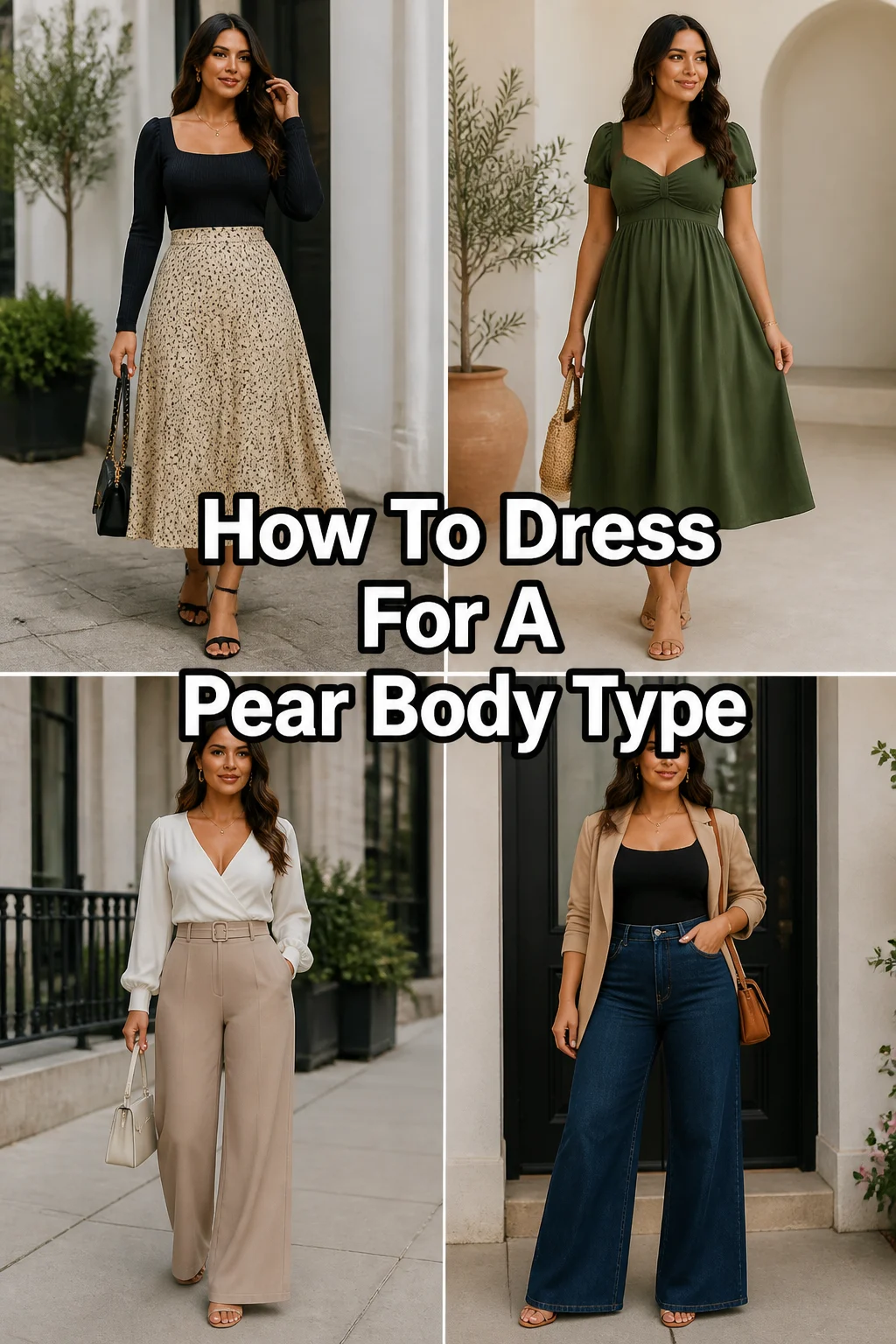
Necklines like boat necks, cowl necks, and wide scoop necks broaden your collarbone area. Off-the-shoulder or sweetheart necklines also work wonderfully to highlight your décolletage.
Details such as ruffles, embellishments, bold prints, and bright colors on your tops effectively draw the eye upwards. Puffed sleeves or shoulder pads can also create the desired width.
Opt for tops that end at your hip bone or just below. Avoid tops that end at the widest part of your hips, as this can visually widen that area.
Step 4: Select Smart Bottoms
For your lower half, the goal is to create a long, lean line. Choose bottoms that skim over your hips and thighs without adding bulk.
Darker, solid colors are generally best for bottoms as they have a slimming effect. Fabrics with a bit of stretch but good structure, like quality denim or ponte, are ideal.
Straight-leg, bootcut, and wide-leg trousers or jeans are excellent choices. They balance your hips by adding width lower down, creating a more even silhouette.
A-line skirts and dresses are incredibly flattering for pear shapes. They fit snugly at the waist and gently flare out, gracefully gliding over your hips and thighs.
Pro Tip: High-waisted bottoms are a pear shape’s best friend. They emphasize your narrow waist, create a longer leg line, and provide a smooth transition over your hips.
Step 5: Master Layering and Outerwear
Layering can significantly impact your silhouette. Jackets, cardigans, and blazers are perfect for adding structure and interest to your upper body.
Look for outerwear that has shoulder details, a defined waist, or a slight flare at the bottom. Blazers with shoulder pads or structured shoulders work wonders.
Trench coats, A-line coats, and structured jackets that hit at or above the widest part of your hips are excellent choices. Long cardigans that fall past your hips can also create a flattering vertical line.
When layering, ensure your top layer doesn’t cling to your hips. It should fall smoothly or have enough room to move freely.
Step 6: Accessorize Strategically
Accessories are powerful tools for directing attention and adding personality to your outfits. Use them to enhance your upper body and define your waist.
Statement necklaces, scarves, and bold earrings draw the eye to your face and décolletage. These items add visual interest where you want it most.
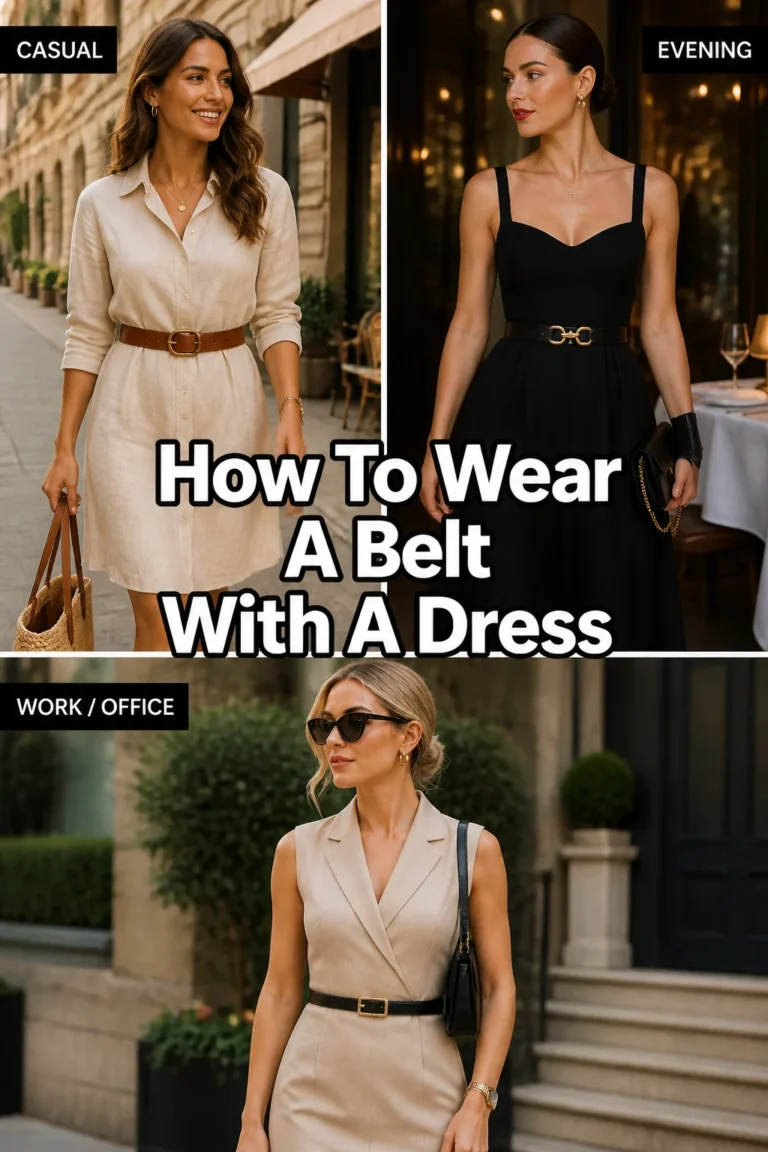
Belts are fantastic for emphasizing your defined waist. Choose belts that are medium to wide in width and wear them at the narrowest part of your waist over dresses, skirts, or high-waisted pants.
Handbags should be chosen carefully. Crossbody bags that sit above your hips or shoulder bags that don’t rest directly on your widest point are often best. Avoid bags that add bulk to your hip area.
Step 7: Pick the Perfect Footwear
Footwear plays a role in elongating your legs and completing your overall look. The right shoes can make a big difference in how balanced your silhouette appears.
Nude heels or wedges can visually extend your leg line, especially when worn with skirts or dresses. Pointed-toe shoes also contribute to a longer, leaner look.
Opt for styles that aren’t too dainty or too chunky, as either extreme can throw off balance. A moderate heel or a substantial wedge often works well.
Bootcut or wide-leg pants pair well with heels or boots that have a bit of height, ensuring the hem doesn’t drag and the leg line remains long.
Step 8: Pay Attention to Fabric and Fit
The fabric and fit of your clothes are just as important as the style. They dictate how a garment drapes and whether it flatters your shape.
Choose fabrics that have some structure but also good drape. Think about materials like cotton blends, linen, rayon, and quality denim. Avoid overly clingy or flimsy fabrics for your lower half.
For tops, you can be more adventurous with softer, more fluid fabrics. These will add gentle volume without bulk.
Ensure your clothes fit well. Nothing is less flattering than garments that are too tight or too loose. A tailor can be an invaluable resource for achieving the perfect fit, especially for bottoms.
Common Mistakes to Avoid
Ignoring Your Waistline
Many people with a pear shape might try to hide their lower body with shapeless clothing, but this often leads to an overall boxy appearance. Forgetting to define your waist loses one of your best assets.
Instead, always aim to highlight your narrowest point. Use belts, tucked-in tops, or dresses with empire or A-line waists to draw attention to this flattering feature.
Choosing Ill-Fitting Bottoms
Wearing pants or skirts that are too tight across the hips and thighs, or too loose at the waist, is a common pitfall. This can create uncomfortable bulges or unflattering sagging.
Always prioritize fit in your bottoms. If you struggle to find a perfect fit off the rack, buy for your largest measurement (hips) and have the waist taken in by a tailor. It makes a world of difference.
Overwhelming Lower Body with Prints and Details
While prints and embellishments are great for tops, placing busy patterns, large pockets, or heavy detailing on your hips and thighs can visually expand that area.
Keep your lower half relatively simple and streamlined. Stick to darker, solid colors or subtle textures for pants and skirts, reserving bolder statements for your upper body.
Troubleshooting
“My hips still look wide in everything.”
This feeling can be frustrating, but often it’s about balance, not reduction. Make sure you’re consistently adding visual interest and breadth to your upper body.
Try tops with shoulder pads, wide necklines, or significant detailing. Ensure your bottoms are truly skimming, not clinging, and that they have a slight flare or straight cut to balance the hip line.
“I feel like my clothes are always pulling at my hips.”
This is a clear sign that your bottoms are too small or not cut for your body shape. It creates an uncomfortable and unflattering silhouette.
Size up in your bottoms, or explore brands known for accommodating curvier figures. Consider styles specifically designed with more room in the hip and thigh, like “curvy fit” jeans, and always prioritize comfort.
“I struggle to find dresses that fit both my top and bottom.”
Finding a dress that fits perfectly at the bust, waist, and hips can be challenging for any body type, especially a pear shape.
Focus on A-line or fit-and-flare dresses. These styles naturally accommodate a wider hip while cinching at the waist. Wrap dresses are also incredibly versatile and flattering, as they adjust to your unique proportions.
Key Takeaways
- Embrace Your Waist: It’s your most defined asset; highlight it with belts and tailored fits.
- Broaden Your Top: Use necklines, details, and colors to add visual width to your shoulders and bust.
- Streamline Your Bottoms: Opt for darker, solid colors and cuts that skim gracefully over your hips.
- Choose A-Line: This silhouette is universally flattering for pear shapes in skirts and dresses.
- Accessorize Upwards: Direct attention to your face and décolletage with statement jewelry and scarves.
- Fit is Fundamental: Well-fitting garments, possibly with tailoring, make all the difference.
Frequently Asked Questions
Can pear shapes wear skinny jeans?
Absolutely! The key is how you style them. Pair skinny jeans with tops that add volume to your upper body, like a flowing tunic, a peplum top, or a structured blazer. This creates balance and keeps your silhouette harmonious.
Should I avoid patterned bottoms?
It’s generally recommended to keep your bottoms in solid, darker colors to streamline your lower half. However, subtle patterns or vertical stripes can work if they don’t add visual bulk. Reserve bolder, larger prints for your tops.
Are belts always necessary for a pear shape?
While not strictly necessary for every outfit, belts are a highly effective tool for a pear shape. They define your narrow waist, which is a significant asset. If an outfit feels a bit shapeless, a belt can instantly elevate and flatter your figure.
Our Top Recommended Finds
- High-Waisted A-Line Skirt: A versatile piece that flatters the waist and skims over hips beautifully.
- Structured Blazer with Shoulder Pads: Instantly adds width and definition to your upper body, balancing your frame.
- Quality Shaping Underwear: Provides a smooth foundation for all your outfits, especially under form-fitting garments.
Your Style Journey Starts Now
Dressing for your pear body type is not about following rigid rules, but about understanding principles that enhance your natural beauty. Experiment with these guidelines, adapt them to your personal taste, and discover what makes you feel most confident.
Embrace your unique shape and let your personal style shine through. The most important accessory you can wear is confidence, and knowing how to dress your body type is a powerful step towards owning it.