🧽 How To Get Oil Out Of Suede Shoes
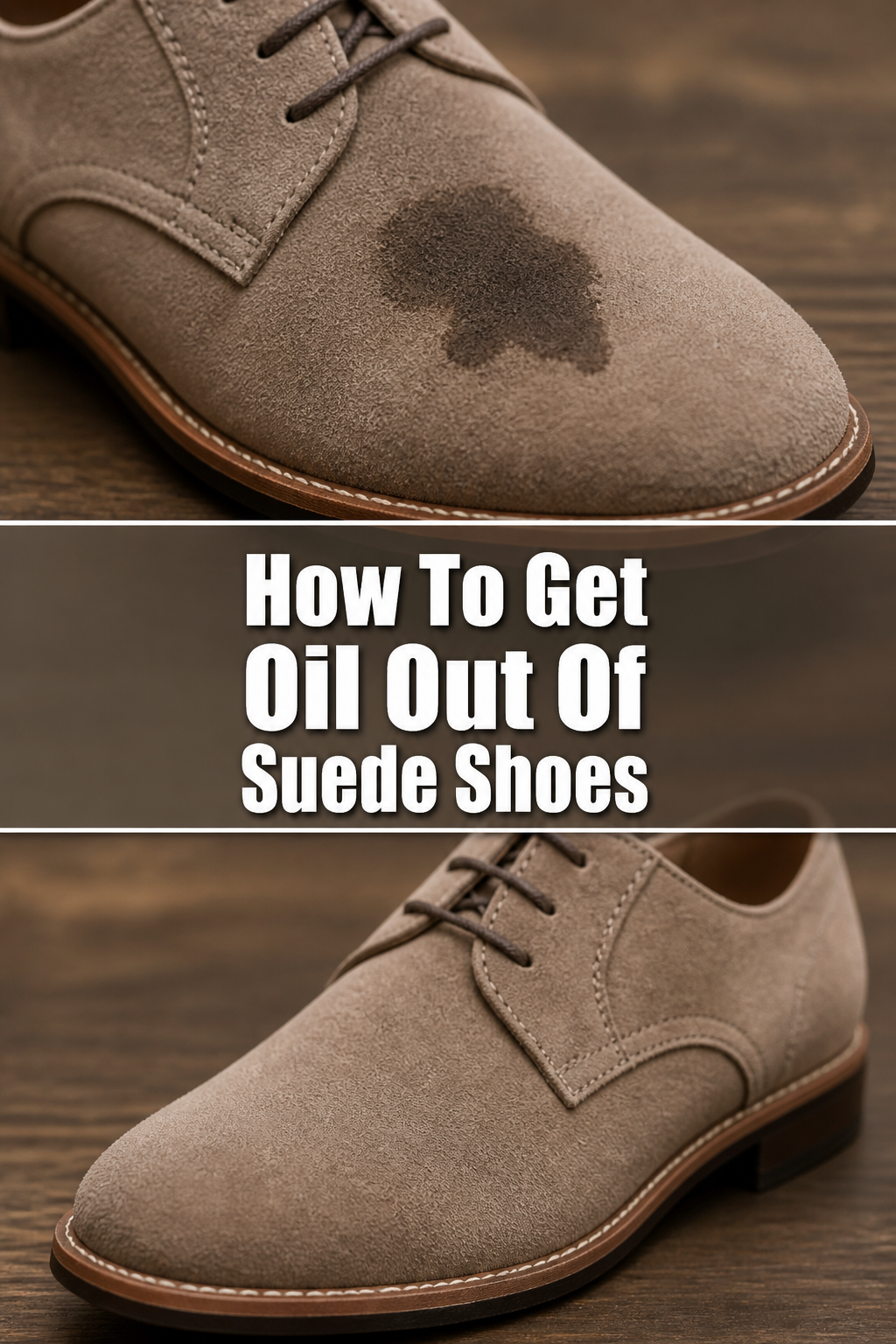
Discovering an oil stain on your beloved suede shoes can feel like a disaster. It’s a common mishap, from a dropped fry to a splash of salad dressing.
But don’t despair; salvaging your stylish footwear is often possible with the right approach. This guide provides practical steps, born from experience, to help restore your suede to its former glory.
Quick Overview
This guide will walk you through the process of safely removing oil stains from suede shoes, helping you regain their pristine look. You’ll learn specific techniques and crucial preventative measures.
- Time needed: 30-60 minutes (plus drying time)
- Difficulty: Intermediate
- What you’ll need: Absorbent powder, suede brush, cleaning solution, soft cloths
Step-by-Step Instructions
Step 1: Act Immediately and Blot Excess Oil
Speed is your biggest ally when dealing with oil stains on suede. The quicker you act, the less time the oil has to penetrate the delicate fibers.
Use a clean, dry cloth or paper towel to gently blot the fresh oil stain. Do not rub, as this can spread the oil and push it deeper into the suede. Simply press down firmly to absorb as much surface oil as possible.
Blot the stain repeatedly with fresh sections of the cloth until no more oil transfers.
Step 2: Apply an Absorbent Powder
Once the initial blotting is done, you need a powerful absorbent to draw out the embedded oil. Common household items like cornstarch, baking soda, or talcum powder work wonderfully.
Sprinkle a generous amount of your chosen powder directly onto the oil stain, ensuring it’s completely covered. The powder will begin to absorb the oil from the suede fibers.
Pat the powder gently into the stain with your fingers or a clean cloth, making sure it makes good contact. Leave the powder to sit for several hours, ideally overnight, to maximize absorption.
Pro Tip: For older or tougher stains, you can gently rub the powder into the stain with a soft brush, like an old toothbrush, before letting it sit. This helps the powder reach deeper into the suede nap.
Step 3: Brush Away the Powder
After the powder has had ample time to absorb the oil, it’s time to remove it. You’ll need a specialized suede brush for this step.
Gently brush the dried powder away from the suede surface. Always brush in one direction, following the natural nap of the suede. This prevents further damage to the delicate fibers.
Continue brushing until all traces of the powder are gone. You might notice that the powder has clumped or changed color, indicating it has absorbed some of the oil.
Step 4: Assess and Repeat if Necessary
Once the powder is fully removed, inspect the area carefully. If a faint oil mark still remains, don’t worry. This is common for stubborn stains.
Repeat the application of absorbent powder (Step 2) and brushing (Step 3). You might need to do this a few times until the stain is visibly lighter or completely gone. Patience is key in this process.
Allow the powder to sit for an extended period during repeat applications if the stain is particularly persistent.
Step 5: Use a Suede Eraser for Residual Marks
For any lingering, faint marks or slight discoloration, a suede eraser can be highly effective. These erasers are designed to lift dirt and light stains without damaging the suede.
Gently rub the suede eraser over the remaining stain. Use short, light strokes in multiple directions to work the eraser’s material into the suede nap. This action helps to lift and exfoliate the stained fibers.
Brush the suede again with your suede brush to remove any eraser residue and to restore the nap. This helps to blend the cleaned area with the rest of the shoe.
Step 6: Apply a Suede Cleaner (Optional, for Deep Stains)
If the oil stain is still visible after repeated powder treatments and erasing, it’s time to bring in a dedicated suede cleaner. Always choose a product specifically formulated for suede.
Test the cleaner on an inconspicuous area of your shoe first, such as the heel or inside seam. This ensures it won’t cause discoloration or damage.
Follow the product instructions carefully. Typically, you’ll apply a small amount to a clean cloth or sponge and gently dab or rub it into the stain. Work in small sections.
Blot the area with a clean, damp cloth to remove any cleaner residue. Allow the shoes to air dry completely away from direct heat or sunlight.
Pro Tip: When using any liquid cleaner on suede, always use a minimal amount. Too much moisture can stiffen the suede or leave watermarks.
Step 7: Re-nap the Suede
After cleaning and drying, the suede nap might appear matted or stiff. This is normal and easily rectified.
Use your suede brush to gently restore the nap. Brush in short, firm strokes, moving back and forth to lift the fibers. This action helps to fluff up the suede and restore its original texture.
Continue brushing until the suede looks even and soft. This final step is crucial for achieving a uniform appearance across the shoe.
Step 8: Protect Your Suede
Once your shoes are clean and dry, consider applying a suede protector spray. This creates a barrier against future stains and moisture.
Ensure your shoes are completely dry before applying the protector. Spray evenly from a distance of about 6-8 inches, following the product’s instructions.
Allow the shoes to dry fully before wearing them. Regular application of a protector can significantly extend the life and appearance of your suede footwear.
Common Mistakes to Avoid
Rubbing the Stain Vigorously
Rubbing an oil stain, especially when it’s fresh, is one of the worst things you can do. This action pushes the oil deeper into the suede fibers and spreads it over a larger area, making it much harder to remove. Always blot gently instead.
Using Water or Harsh Chemicals
Suede and water generally don’t mix well. Water can leave permanent marks, stiffen the material, or alter its color. Similarly, harsh household cleaners not designed for suede can cause irreversible damage, discoloration, or weaken the fibers. Stick to specialized suede products or dry absorbents.
Skipping the Test Patch
Whenever you introduce a new cleaning product, even a suede-specific one, always perform a patch test. Applying it directly to a prominent area without testing can lead to unexpected discoloration or damage. Find an inconspicuous spot first to ensure compatibility.
Applying Heat to Dry
After cleaning, it’s tempting to speed up the drying process with a hairdryer or by placing shoes near a radiator. However, direct heat can cause suede to shrink, crack, or become stiff and brittle. Always allow suede shoes to air dry naturally at room temperature.
Troubleshooting
Suede Feels Stiff After Drying
If your suede feels stiff or rough after it has dried, it’s usually due to the fibers clumping together. This often happens after moisture exposure.
The solution is to vigorously brush the suede with a dedicated suede brush. Use firm, back-and-forth motions to lift and separate the matted fibers. This process helps to restore the suede’s natural softness and texture.
Faint Watermarks Appear
Sometimes, even careful cleaning can leave faint watermarks, especially if the suede got too damp or dried unevenly. These marks are often less noticeable than the original oil stain.
To address this, lightly mist the entire shoe with a fine spray of water. Then, gently brush the suede with your suede brush while it’s still damp. Allow the shoe to air dry completely and evenly, which can help the watermarks blend in or disappear.
Color Appears Uneven
After a deep clean, one area of the suede might look slightly lighter or darker than the rest. This can happen if the cleaning was very localized or if some dye was subtly affected.
Try to clean the entire shoe, not just the stained area, using a suede cleaner or by gently wiping with a damp cloth (if appropriate for the suede type). This helps to create a more uniform appearance. Afterwards, re-brush the entire shoe to blend the nap.
Key Takeaways
- Act Fast: Immediate blotting of fresh oil stains is crucial for successful removal.
- Absorbent Powders are Key: Cornstarch, baking soda, or talcum powder effectively draw out oil from suede.
- Brush Correctly: Always use a suede brush and follow the nap to avoid damaging the fibers.
- Patience is a Virtue: Stubborn stains may require multiple applications of powder and gentle brushing.
- Avoid Water and Heat: Suede is delicate; never use excessive water or direct heat for cleaning or drying.
- Protect for the Future: A suede protector spray offers a valuable barrier against new stains and moisture.
Frequently Asked Questions
Can I use dish soap to remove oil from suede?
It’s generally not recommended to use dish soap directly on suede. Dish soap contains detergents that can be too harsh for suede, potentially stripping its natural oils, altering its color, or leaving behind watermarks that are difficult to remove. Stick to specialized suede cleaners or dry absorbents.
How do I clean suede without a suede brush?
While a suede brush is ideal, if you don’t have one, you can improvise. A clean, soft-bristled toothbrush can work in a pinch for gently brushing the nap. For removing dry powder, a soft, dry cloth can be used. However, for best results and to avoid damage, investing in a proper suede brush is advised.
Is it possible to remove old, set-in oil stains from suede?
Removing old, set-in oil stains is much more challenging than fresh ones, but not always impossible. You’ll likely need to repeat the absorbent powder treatment multiple times, leaving the powder on for longer durations (24 hours or more). A suede eraser and a dedicated suede cleaner may also be necessary for the best chance of success.
How often should I apply suede protector?
The frequency of applying suede protector depends on how often you wear the shoes and the environmental conditions. For shoes worn regularly, reapplying every 2-3 months is a good guideline. For less frequently worn shoes, once or twice a year might suffice. Always ensure the shoes are clean and dry before application.
Our Top Recommended Finds
- Suede Brush and Eraser Kit: Essential for lifting stains and restoring the nap without damage.
- Dedicated Suede Cleaner: A gentle, pH-balanced formula specifically designed for delicate suede materials.
- Suede Protector Spray: Creates a breathable barrier against water, oil, and other common stains.
Embrace the Suede Revival
Don’t let an accidental oil spill signal the end for your cherished suede shoes. With the right tools, a bit of patience, and these proven techniques, you can often bring them back to life.
Take these steps today to restore your footwear and protect it for many wears to come. Your stylish shoes are worth the effort!