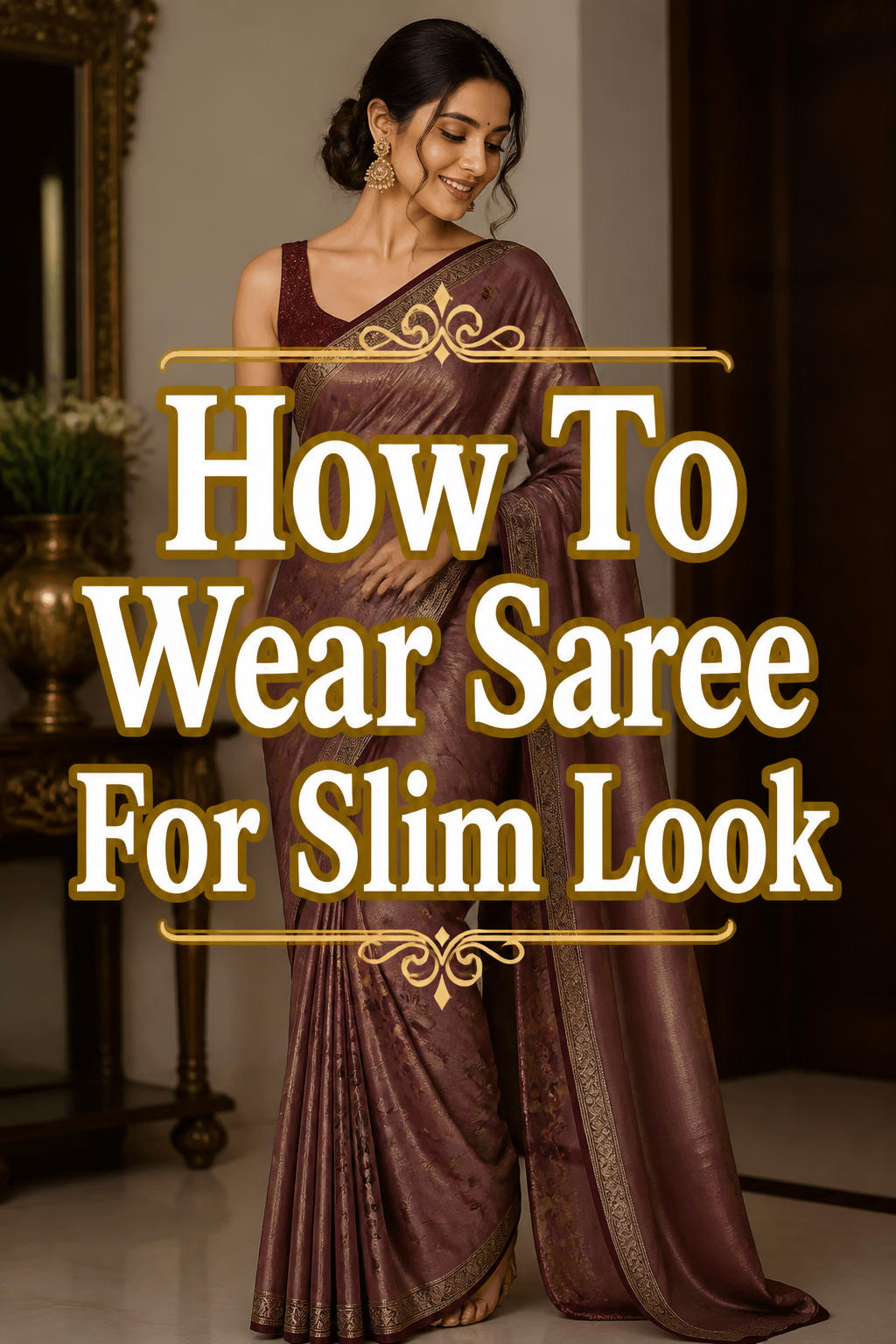
💃 How To Wear Saree For Slim Look
I remember my first time trying to drape a saree for a special occasion. I felt overwhelmed by the sheer volume of fabric and worried about looking bulky.
Over the years, I’ve learned the subtle tricks that make all the difference for a sleek, elegant silhouette. I’m excited to share these proven techniques with you.
This guide will help you master the art of draping a saree to enhance your natural shape, making you feel confident and beautiful.
Quick Overview
This guide will walk you through selecting the right saree and innerwear, then provide a detailed draping method to achieve a stunning, slim look. You’ll learn how to manage fabric, create neat pleats, and secure your saree flawlessly.
- Time needed: 30-45 minutes (for learning and initial practice)
- Difficulty: Intermediate
- What you’ll need: Saree, matching blouse, saree shapewear/petticoat, safety pins, heels, mirror.
Step-by-Step Instructions
Step 1: Choose Your Saree Wisely
The foundation of a slim look begins with your choice of saree fabric and print. Lighter, more fluid materials naturally drape closer to the body.
Opt for fabrics:
- Select georgette, chiffon, crepe, or lightweight silk. These materials fall beautifully without adding bulk.
- Avoid stiff fabrics like heavy Kanjeevaram silk or thick cotton, which can create volume.
Consider prints and borders:
- Choose smaller prints, subtle motifs, or solid colors. Vertical stripes can also elongate your frame.
- Look for thin borders or no borders at all. Wide, heavily embellished borders can make you appear wider.
Pro Tip: Darker colors like black, navy, or deep maroon are inherently slimming. They create a continuous visual line that enhances a lean appearance.
Step 2: Invest in the Right Innerwear
Your inner garments play a crucial role in how your saree drapes. They provide a smooth base and can subtly cinch your waist.
Saree Shapewear:
- Wear a well-fitting saree shapewear skirt instead of a traditional petticoat. These skirts are designed to hug your curves and smooth out any bumps.
- Ensure the shapewear is snug but comfortable, providing compression without restricting movement.
Blouse Fit:
- Choose a blouse that fits perfectly. It should not be too loose, which can create excess fabric, nor too tight, which can cause bulges.
- Look for blouses with a good neckline and sleeve length that complement your body shape.
Pro Tip: High-waisted saree shapewear offers better tummy control and creates a seamless line from your waist to your hips. This is key for a streamlined silhouette.
Step 3: Prepare Your Base Drape
The initial tucking of the saree around your waist sets the stage for the entire drape. This needs to be neat and secure.
Start Tucking:
- Begin by tucking the plain end of the saree (the non-pallu end) into your shapewear or petticoat. Start from your right side, just behind your navel.
- Ensure the saree is tucked in firmly and evenly around your waist, making one full round. The bottom edge should just graze the floor or your heels if you’re wearing them.
Maintain Tension:
- Keep the fabric taut as you tuck it in. A loose initial drape will result in a bulky and uneven finish.
- Smooth out any wrinkles or folds as you go, ensuring a flat surface against your body.
Step 4: Create Neat, Narrow Pleats
The way you form your pleats significantly impacts the slimness of your look. Focus on precision and compactness.
Gather the Fabric:
- Collect the remaining fabric (after one full round) and start making pleats from the left side of your body.
- Hold the fabric between your thumb and forefinger, gathering it into even sections.
Form the Pleats:
- Make 5-7 pleats, each about 4-5 inches wide. Narrower pleats create a sleeker look than wide, bulky ones.
- Ensure all pleats are uniform in size and fall straight. This consistency is vital for a smooth front.
Secure the Pleats:
- Gather all the pleats together, aligning their top edges perfectly.
- Tuck the entire set of pleats firmly into your shapewear, slightly to the left of your navel.
- Pin the pleats securely to your shapewear from the inside to prevent them from fanning out or coming loose.
Pro Tip: When making pleats, press them flat with your hands. You can even use a clothespin or clip to temporarily hold them together while you arrange them, ensuring crisp lines.
Step 5: Drape the Pallu for Elongation
The pallu (the decorative end of the saree) can be draped in several ways, but specific styles enhance a slim appearance.
Shoulder Pleats (Nivi Style):
- Take the remaining fabric over your left shoulder from the back.
- Create narrow, even pleats for the pallu, similar to the front pleats. Aim for 3-5 inches wide.
- Ensure the pleats fall neatly on your shoulder, extending down your back.
Pin the Pallu:
- Secure the pallu pleats to your blouse at the shoulder with a strong safety pin. This prevents slipping and maintains the neatness.
- Adjust the length of the pallu to fall at least to your knees or lower, as a longer pallu creates a more elongated line.
Pro Tip: For an ultra-slim look, consider a very narrow, pin-straight pallu drape. Some prefer to pin the pallu pleats all the way up their shoulder to their collarbone, creating a very taut, vertical line.
Step 6: Refine the Waist and Hip Area
This step focuses on smoothing out any remaining fabric and ensuring a clean line around your midsection.
Tighten the Waist:
- Pull the fabric from under your right arm, across your waist, towards the back.
- Ensure this section of the saree is snug against your body, gently cinching your waist.
Pin for Security:
- Tuck any excess fabric from this section into your shapewear at the back or side.
- Use a small safety pin to secure the fabric to your shapewear, ensuring it stays flat and doesn’t bunch up.
Step 7: Add Finishing Touches and Accessories
The right accessories can complement your slim look and add a touch of elegance without overwhelming your silhouette.
Adjust and Smooth:
- Stand in front of a full-length mirror and make any final adjustments. Smooth out any wrinkles and ensure all pins are hidden.
- Check that the saree’s bottom edge is even and not dragging on the floor.
Consider a Saree Belt:
- Wear a sleek, thin saree belt (kamarbands) at your natural waist. This can further define your waistline and add a fashionable touch.
- Avoid overly chunky or heavily embellished belts that might add bulk.
Choose Elongating Jewelry:
- Opt for long necklaces or delicate chains that draw the eye downwards, creating an illusion of height.
- Avoid very heavy or wide chokers that can shorten the neck.
Pro Tip: Always wear your heels before you start draping your saree. This ensures the correct length and prevents the saree from looking too short or dragging.
Common Mistakes to Avoid
Choosing Bulky Fabrics
Many first-time saree wearers pick heavy cottons or stiff silks because they are traditional. These fabrics, however, naturally stand away from the body, adding volume where you want sleekness. Always prioritize fluid, lightweight materials that fall gracefully.
Ill-Fitting Innerwear
A common oversight is wearing a loose petticoat or an ill-fitting blouse. A baggy petticoat creates lumps and bumps under the saree, defeating the purpose of a slim drape. Similarly, a blouse that is too tight or too loose can create awkward bulges or excess fabric. Always opt for snug saree shapewear and a perfectly tailored blouse.
Wide, Uneven Pleats
Creating broad, inconsistent pleats in the front can make your midsection appear wider. When pleats are not uniform or are too numerous, they add unnecessary bulk. Focus on making 5-7 narrow, crisp pleats that are neatly tucked and pinned.
Loose Pallu Drape
Letting the pallu hang freely and unpinned often results in a messy, voluminous look. A loose pallu can obscure your waistline and add width to your upper body. Always pleat your pallu neatly and secure it firmly to your blouse at the shoulder, ensuring a sleek, vertical line.
Troubleshooting
Saree feels too heavy or bulky
This often happens with the wrong fabric choice or too much fabric gathered in one spot. Ensure you’ve selected a lightweight material like chiffon or georgette. Re-check your pleats to make sure they are narrow and securely pinned, avoiding excess fabric around your waist.
Pleats keep coming undone
The primary culprit here is insufficient pinning or loose tucking. After forming your pleats, gather them tightly and tuck them firmly into your shapewear. Use a sturdy safety pin to secure them from the inside, attaching them to the shapewear fabric to prevent slippage.
Saree slips down from the waist
This issue usually points to a loose petticoat or shapewear. Ensure your saree shapewear is snug and high-waisted, providing a firm base for tucking. You can also add an extra safety pin to secure the initial tuck of the saree to your shapewear at the side.
Pallu looks messy or disheveled
A messy pallu typically results from uneven pleating or a lack of proper pinning. Take your time to make uniform, narrow pleats for your pallu. Once arranged on your shoulder, use a strong safety pin to secure it firmly to your blouse, smoothing out any creases.
Key Takeaways
- Choose lightweight, flowing fabrics like georgette or chiffon for a naturally slim drape.
- Invest in high-quality saree shapewear for a smooth, cinched base.
- Create narrow, uniform pleats at the front and secure them firmly.
- Drape the pallu neatly with even pleats and pin it securely to your shoulder.
- Utilize safety pins strategically to keep the saree taut and in place.
- Opt for thin borders, small prints, or solid colors to avoid adding visual bulk.
Frequently Asked Questions
Which fabrics are best for a slim look?
Lightweight and fluid fabrics are ideal. Think georgette, chiffon, crepe, net, or soft silks. These materials drape close to the body without adding volume, creating a more streamlined silhouette. Avoid heavy cottons or stiff brocades.
Can I wear a saree if I’m short?
Absolutely! The key is to create vertical lines and avoid anything that breaks the flow. Opt for sarees with thin borders or no borders. Drape your pallu in narrow pleats that fall past your knees, and always wear heels to add height.
How important is the petticoat?
The petticoat (or saree shapewear) is incredibly important. It forms the base for your drape. A well-fitting saree shapewear skirt smooths out your curves and provides a firm foundation for tucking, preventing bulges and ensuring a sleek look.
Should I wear heels with a saree?
Yes, wearing heels is highly recommended. Not only do they add height, which contributes to an elongated, slim look, but they also ensure the correct saree length. Draping your saree while wearing heels prevents it from looking too short or dragging on the ground.
Our Top Recommended Finds
- High-Waisted Saree Shapewear: Provides a smooth base and gentle compression for a seamless silhouette.
- Strong Safety Pins (Assorted Sizes): Essential for securing pleats, pallu, and strategic tucks without damaging the fabric.
- Sleek Saree Belt (Kamarband): A thin, elegant belt can further define your waistline and add a modern touch to your drape.
Embrace Your Elegant Silhouette
Mastering the art of draping a saree for a slim look is a skill that comes with practice and attention to detail. Each step, from fabric choice to final pinning, contributes to the overall elegance. You now have the knowledge to create a stunning, confident appearance.
Don’t be afraid to experiment with these techniques and discover what works best for your body. Practice a few times before your big event to build your confidence.
Ready to transform your saree look? Grab your favorite saree and start practicing these tips today. You’ll be amazed at the difference a few simple adjustments can make.