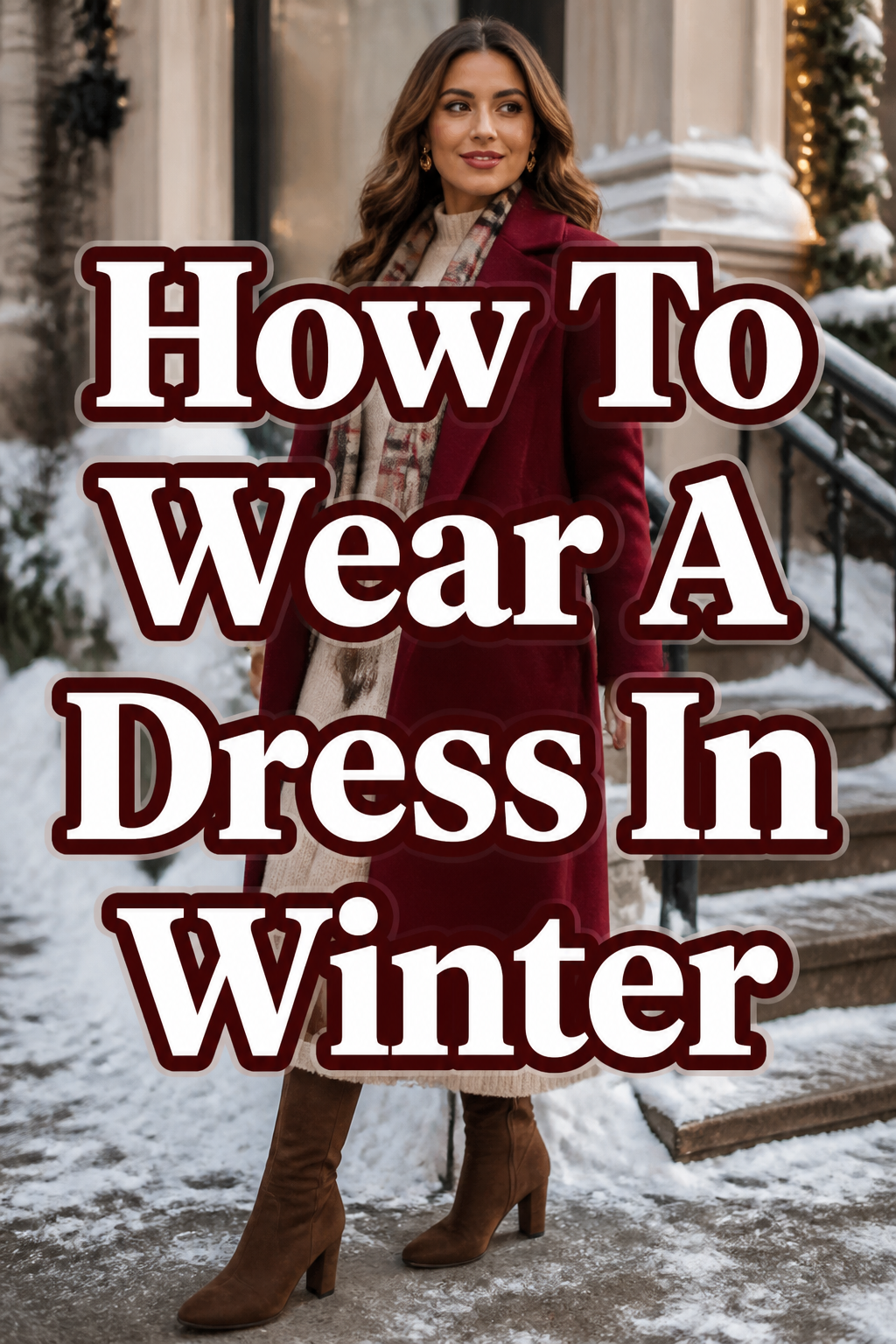
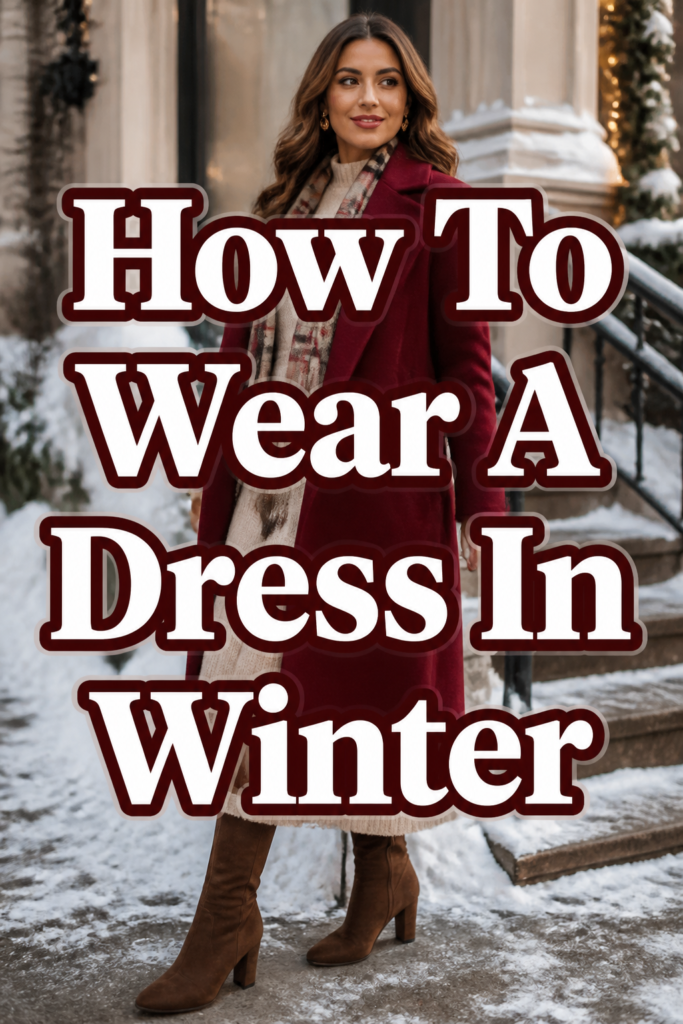
👗 How To Wear A Dress In Winter
Wearing a dress when the temperatures drop can feel like a fashion challenge. You want to look chic and feminine, but staying warm is non-negotiable. It’s a delicate balance to strike.
I used to dread putting away my dresses for months each year, thinking they were only for warmer weather. However, I soon discovered that with the right strategies, dresses can be a cornerstone of a cozy and stylish winter wardrobe. This guide shares everything I’ve learned to help you embrace dresses all season long.
Quick Overview
This guide will empower you to confidently wear your favorite dresses, transforming them into stylish, warm winter outfits. You’ll learn essential layering techniques and smart accessory choices.
- Time needed: 15-20 minutes for outfit planning, ongoing for daily dressing
- Difficulty: Beginner
- What you’ll need: Dresses, thermal layers, warm tights/leggings, boots, coats, scarves, hats, gloves
Step-by-Step Instructions
Step 1: Select Your Dress Wisely
Choosing the right dress material is your first line of defense against the cold. Opt for fabrics known for their warmth and insulation. Think wool, cashmere, thick knits, or even substantial corduroy.
These materials trap body heat effectively, creating a cozy base layer for your outfit. A dress made from a thin cotton or rayon will struggle to keep you warm, no matter how many layers you add.
Consider the dress length as well. Maxi and midi dresses offer more coverage for your legs, instantly adding warmth. Shorter dresses are still an option, but they’ll require more strategic layering underneath.
Pro Tip: Look for dresses with longer sleeves or turtlenecks. These styles provide extra coverage and warmth around your arms and neck, reducing the need for additional upper body layers.
Step 2: Master the Art of Base Layering
A quality base layer is the secret weapon for any winter outfit, especially when wearing a dress. These are thin, close-fitting garments worn directly against your skin. They provide essential insulation without adding bulk.
Choose thermal tops and bottoms made from merino wool or synthetic blends. Merino wool is excellent for its warmth, breathability, and odor resistance. Synthetic thermals often wick moisture away, keeping you dry and comfortable.
Wear a thermal long-sleeve top under your dress. If your dress is sleeveless or has short sleeves, a thermal top is absolutely crucial. For shorter dresses, thermal shorts or leggings underneath provide warmth for your upper legs.
Step 3: Embrace Warm Legwear
Bare legs are a definite no-go in winter when wearing a dress. This step is about protecting your lower half from the chill. Your choice of legwear can make or break your comfort.
Opt for opaque tights with a high denier count (80 denier or higher). The higher the denier, the thicker and warmer the tights will be. Fleece-lined tights are a game-changer; they feel incredibly soft and provide exceptional warmth.
Consider wool or cashmere blend tights for luxurious warmth. For even colder days, you can layer thin thermal leggings underneath your opaque tights. This double layer provides maximum insulation for your legs.
If your dress is longer, such as a maxi or midi style, you might also consider wearing thin leggings or even a pair of comfortable, fitted trousers underneath for extra warmth, especially if you’ll be spending time outdoors.
Step 4: Choose the Right Footwear
Your choice of shoes is vital for both warmth and completing your winter dress look. Open-toed shoes or thin flats won’t cut it when it’s cold outside. Prioritize warmth and protection.
Select boots as your go-to footwear. Ankle boots, knee-high boots, or over-the-knee boots all pair wonderfully with dresses. They provide excellent coverage and warmth for your feet and ankles.
Look for boots with sturdy soles and good insulation. Leather or suede boots are stylish and durable. For extra warmth, ensure your boots are lined with faux fur or shearling, or wear thick wool socks underneath.
Pro Tip: Over-the-knee boots are particularly effective with shorter dresses. They bridge the gap between your dress hem and your tights, minimizing exposed skin and maximizing warmth.
Step 5: Layer Up with Outerwear
The right outerwear is essential for battling the winter chill. Your coat not only keeps you warm but also acts as a significant style statement for your dress ensemble.
Pick a warm, insulated coat. Wool coats, puffer coats, or parkas are excellent choices for winter. Ensure your coat is long enough to cover the hem of your dress, especially if it’s a midi or maxi style, to prevent cold drafts.
Consider adding an intermediate layer under your main coat. A chunky knit cardigan, a tailored blazer, or a fitted denim jacket (under a thicker coat) can add warmth and visual interest. This allows you to adjust your warmth indoors.
Ensure your outerwear complements the style of your dress. A tailored wool coat can elevate a more formal dress, while a stylish puffer jacket works well with a casual knit dress.
Step 6: Accessorize for Warmth and Style
Accessories aren’t just for fashion; they’re crucial for sealing in warmth during winter. These small additions can make a huge difference in your comfort level.
Wrap yourself in a warm scarf. Cashmere, wool, or chunky knit scarves protect your neck and chest from cold air. A large blanket scarf can even double as a shawl indoors if you get chilly.
Don a stylish hat. Beanies, berets, or wide-brimmed wool hats keep your head and ears warm. They also add a fashionable touch to your outfit. Choose a hat that complements your dress and coat.
Protect your hands with gloves or mittens. Leather, wool, or cashmere gloves offer both warmth and elegance. They are essential for any time you spend outdoors, preventing heat loss from your extremities.
Step 7: Consider Additional Warmth Boosters
Sometimes, even with all the layers, you might need an extra boost of warmth, especially on exceptionally cold days or if you’ll be spending extended time outdoors. These items are your secret weapons.
Utilize hand warmers and foot warmers. These small, disposable packets can be slipped into pockets, gloves, or boots for instant, targeted heat. They are a lifesaver for outdoor events or long commutes.
Wear warm socks. Even with boots, a good pair of wool or thermal socks provides an extra layer of insulation for your feet. They also help prevent blisters and keep your feet dry.
Think about a thin, fitted vest or camisole under your thermal top. This might seem like overkill, but it adds another thin layer of air-trapping insulation over your torso, where much of your body heat is generated.
Common Mistakes to Avoid
Underestimating the Cold
One of the biggest mistakes is assuming a dress with a coat will be enough. Winter temperatures demand comprehensive layering. Failing to layer adequately, especially with base layers and warm legwear, will leave you shivering and uncomfortable. Always prioritize warmth over just aesthetics; you can achieve both with smart planning.
Choosing the Wrong Fabrics
Wearing thin, breathable fabrics like cotton or linen dresses without sufficient layering directly against the skin is a common pitfall. These materials offer little insulation. They can actually make you feel colder by allowing heat to escape quickly. Always start with a warm, insulating dress fabric or ensure your base layers are robust enough to compensate.
Ignoring Your Extremities
Many people focus on their torso and legs but forget about their head, hands, and feet. These areas lose heat rapidly. Going out without a hat, gloves, or warm, insulated boots means you’ll feel the cold much more intensely, even if the rest of your body is layered. Accessories are not optional in winter; they are vital for comfort.
Troubleshooting
Issue: Still Feeling Chilly Despite Layers
If you’ve layered up but still feel a persistent chill, especially indoors or in transitional spaces, your layers might not be effective enough. The problem often lies in the quality or type of your base layers.
Solution: Re-evaluate your base layers. Ensure you’re using high-quality thermal tops and bottoms made from merino wool or advanced synthetics. These materials are designed to trap heat efficiently. Consider adding an extra thin layer, like a silk camisole, under your thermal top. Check for any gaps in your outfit, such as between your boot tops and tights, and address them with taller boots or leg warmers.
Issue: Outfit Feels Too Bulky or Restrictive
Wearing multiple layers can sometimes lead to a bulky feeling, making you feel less stylish or comfortable. This usually happens when layers are too thick or ill-fitting.
Solution: Focus on thin, sleek layers. Your base layers should be snug but not tight, made from thin, high-performance fabrics. Choose a dress that has some room for layering underneath without being oversized. Opt for outerwear that is tailored but still allows for movement. Sometimes, one high-quality, very warm layer is better than several less effective, bulky ones. Look for lightweight yet insulating materials like cashmere or thin wool knits.
Issue: Static Cling from Layers
Layering different fabrics, especially synthetics and wool, can often lead to static electricity, causing your dress to cling uncomfortably to your tights or base layers. This can be annoying and disrupt the look of your outfit.
Solution: Combat static cling with a few simple tricks. Spray a light mist of anti-static spray on your tights and the inside of your dress before wearing. You can also rub a dryer sheet over your tights. Ensure your skin is well-moisturized, as dry skin can exacerbate static. Wearing natural fibers like cotton or silk as an innermost layer can also help reduce static build-up compared to purely synthetic next-to-skin layers.
Key Takeaways
- Prioritize Warm Fabrics: Choose dresses made from wool, cashmere, or thick knits for natural insulation.
- Layer Strategically: Start with quality thermal base layers to trap body heat effectively.
- Secure Your Legs: Always wear high-denier opaque or fleece-lined tights for essential leg warmth.
- Opt for Boots: Select insulated ankle, knee-high, or over-the-knee boots for warmth and style.
- Invest in Outerwear: A long, warm coat is crucial for protection against the elements.
- Accessorize Smartly: Don’t forget hats, scarves, and gloves to prevent heat loss from extremities.
Frequently Asked Questions
Can I wear a sleeveless dress in winter?
Absolutely! A sleeveless dress can be a great canvas for winter layering. Simply wear a warm, long-sleeve thermal top underneath. You can also layer a fine-knit turtleneck or a fitted long-sleeve top over the dress, or add a chunky cardigan or blazer on top. This allows you to extend the life of your favorite sleeveless pieces.
What kind of socks should I wear with boots and tights?
When wearing tights and boots, opt for thin but warm socks. Merino wool socks are an excellent choice as they provide warmth without excessive bulk and wick away moisture. If your boots are roomy, you can wear a thicker wool blend sock. Ankle-length or crew socks work well, ensuring they don’t peek out above your boot line unless intended as a style statement.
How do I prevent my dress from looking too bulky with all the layers?
The key to avoiding bulk is to choose thin, high-performance layers. Invest in sleek thermal underwear that fits closely to your body. Select dresses that have some natural drape or a slightly looser fit to accommodate layers without straining. When adding cardigans or blazers, pick ones that are well-tailored. The goal is warmth through smart material choices, not just piling on thick items.
Our Top Recommended Finds
- Merino Wool Thermal Set: Essential for a warm, non-bulky base layer under any dress.
- Fleece-Lined Tights: The ultimate game-changer for keeping your legs toasty warm.
- Insulated Ankle Boots: Versatile and warm, perfect for pairing with various dress styles.
Embrace Winter Style, Comfortably
You now have all the tools and knowledge to confidently wear dresses throughout the colder months. No longer do you need to sacrifice style for warmth. You can create stunning, cozy outfits that defy the chill.
Start by looking through your existing wardrobe for dresses that can be repurposed, then consider adding a few key layering pieces. Experiment with different combinations to find what works best for your personal style and the climate you live in. Take these steps and transform your winter dress game today!