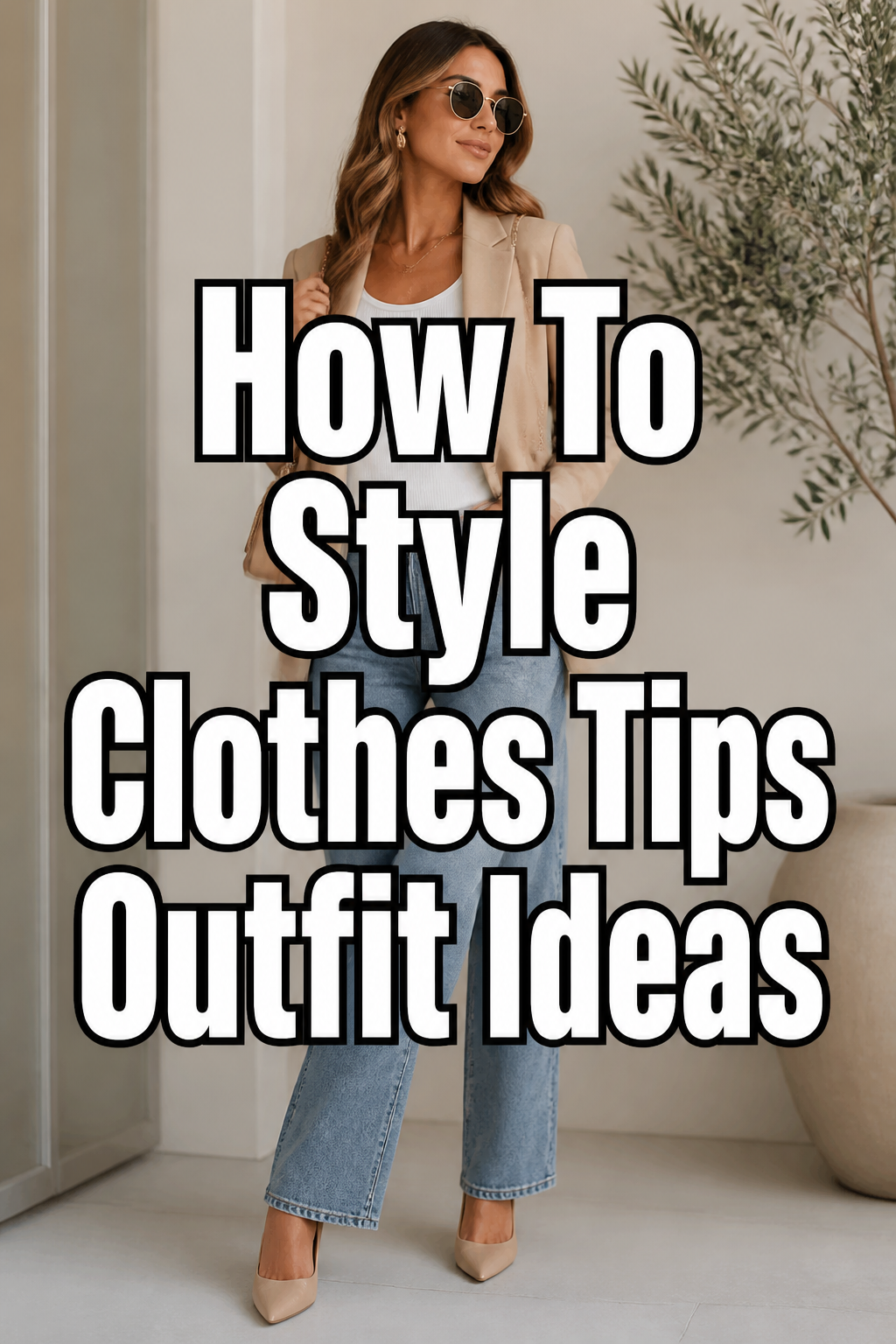
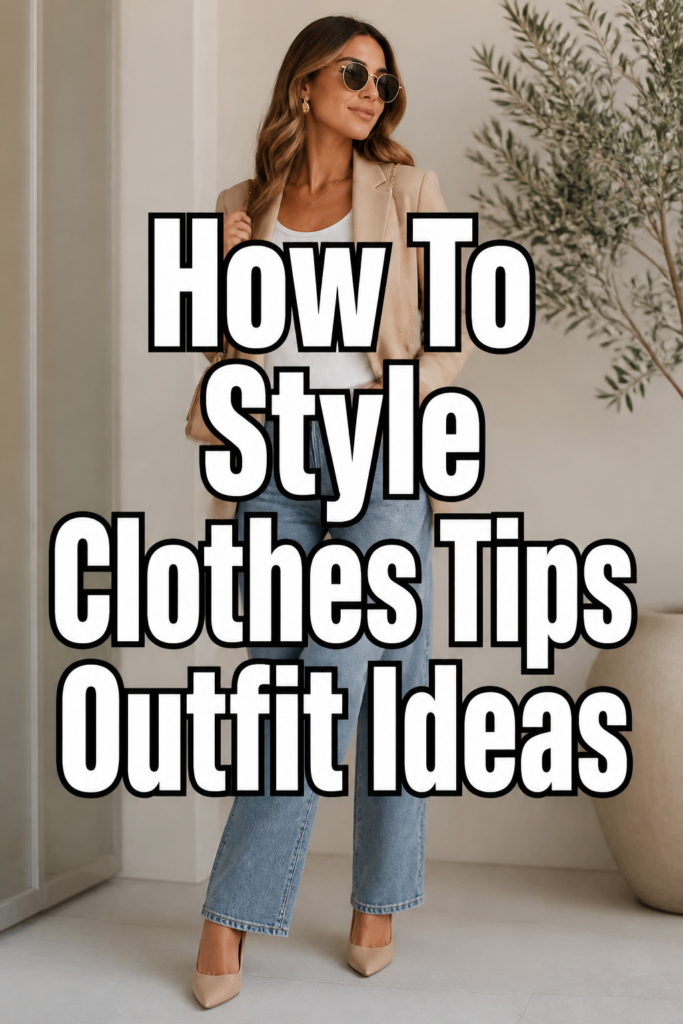
👗 How To Style Clothes Tips Outfit Ideas
Ever feel like your closet is full, but you have nothing to wear? It’s a common dilemma that many of us face.
I used to stare at my clothes, feeling overwhelmed and uninspired, until I learned how to really style what I already owned.
This guide shares practical, easy-to-follow steps to transform your approach to dressing, helping you create endless stylish outfits with confidence.
Quick Overview
This guide will show you how to look at your wardrobe with fresh eyes, combine pieces creatively, and develop your personal style. You’ll learn to build cohesive outfits for any occasion.
- Time needed: 1-2 hours for initial wardrobe assessment and first few outfit creations
- Difficulty: Beginner
- What you’ll need: Your current wardrobe, a full-length mirror, and an open mind
Step-by-Step Instructions
Step 1: Understand Your Style Core
Reflect on what you truly love and what makes you feel good. Think about your lifestyle, activities, and what kind of image you want to project.
Consider your favorite colors, silhouettes, and fabrics. This initial self-reflection forms the foundation of your unique style.
Pro Tip: Create a digital mood board on Pinterest or save images that inspire you. Look for recurring themes in colors, textures, and overall aesthetics. This visual reference will be invaluable.
Step 2: Declutter and Organize Your Wardrobe
Empty your closet and drawers completely. Handle each item, deciding if it sparks joy, fits well, and aligns with your style core.
Donate or sell anything that doesn’t fit, is damaged, or you haven’t worn in over a year. A clear space makes styling much easier.
- Sort items into categories: tops, bottoms, dresses, outerwear, accessories.
- Organize by color or type within categories. This visual order helps you see what you have.
Step 3: Build Your Foundation Pieces
Identify your wardrobe essentials. These are versatile, timeless items that form the backbone of countless outfits.
Think classic t-shirts, well-fitting jeans, a neutral blazer, simple skirts, and basic dresses. These pieces are easily mixed and matched.
- Invest in quality basics if possible. They will last longer and provide a better foundation.
- Ensure these foundation pieces fit you perfectly. Tailoring can make a significant difference.
Step 4: Master the Art of Layering
Experiment with layering to add depth and interest to your outfits. Layering isn’t just for warmth; it’s a styling technique.
Start with a base layer, like a t-shirt, and add a shirt, sweater, or jacket over it. Finish with a scarf or necklace.
- Play with different textures and lengths when layering. A long cardigan over a shorter top creates visual appeal.
- Consider the proportions of each layer. Avoid making your silhouette look bulky.
Step 5: Incorporate Accessories Thoughtfully
Choose accessories that enhance your outfit, rather than overpower it. Accessories are the easiest way to personalize any look.
Bags, shoes, jewelry, belts, and scarves can completely change the vibe of an outfit. They are key to expressing your style.
- Select one or two statement accessories per outfit. Too many can look cluttered.
- Match your accessories to the occasion. A delicate necklace for work, bold earrings for an evening out.
Step 6: Play with Color and Pattern
Explore color combinations beyond neutrals. Start with a neutral base and add pops of color through accessories or one vibrant garment.
Mixing patterns can be fun but requires a bit of practice. Stick to patterns with a common color or varying scales for harmony.
- Use a color wheel to understand complementary and analogous colors. This helps in creating balanced palettes.
- Begin by pairing a subtle pattern with a solid color, then gradually try mixing two different patterns.
Step 7: Balance Proportions and Silhouettes
Think about how different shapes and volumes work together on your body. Balancing proportions creates a more polished look.
If you wear something loose on top, consider something more fitted on the bottom. Likewise, a voluminous skirt pairs well with a more tailored top.
- Define your waist with a belt when wearing oversized items to maintain shape.
- Experiment with different hemlines and necklines to see what flatters your frame most.
Step 8: Curate Outfit Formulas
Develop a few go-to outfit formulas that you know work well for you. These are repeatable combinations that save time and stress.
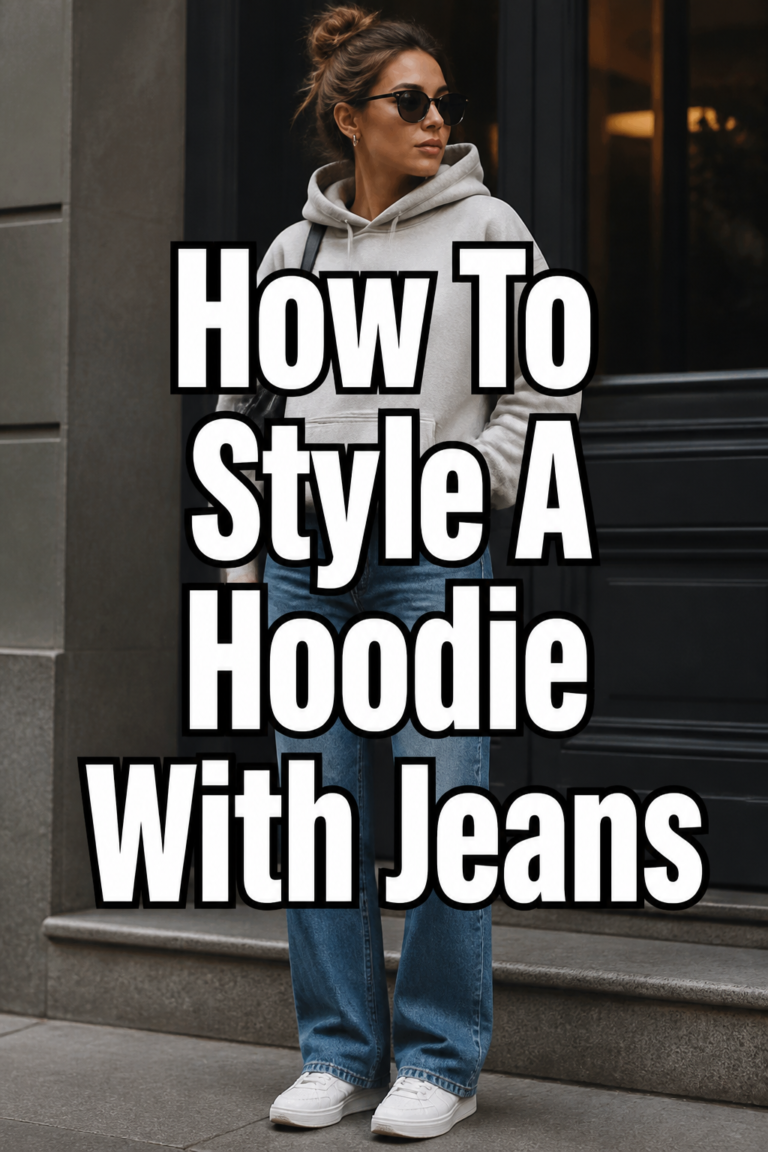
For example, “jeans + t-shirt + blazer + sneakers” or “midi skirt + fitted top + boots + statement earrings.”
- Write down your successful formulas or take photos of them. This creates a personal style reference.
- Adapt these formulas with different colors, textures, or accessories to create new looks.
Step 9: Try New Combinations Regularly
Challenge yourself to combine items you haven’t worn together before. Sometimes the most unexpected pairings create the best outfits.
Dedicate a little time each week to experiment in front of your mirror. Don’t be afraid to try things that seem unusual at first.
Pro Tip: Lay out clothes on your bed to visualize outfits before trying them on. This saves time and energy during experimentation.
Step 10: Document Your Best Outfits
Take photos of outfits you love and feel confident in. Create an album on your phone as a personal lookbook.
When you’re short on time or feeling uninspired, you can quickly refer to your documented outfits for ideas. This builds your confidence.
Common Mistakes to Avoid
Buying for a Fantasy Lifestyle
Many people purchase clothes for an idealized version of themselves or for occasions that rarely happen. This leads to a closet full of clothes that don’t suit your actual daily life.
Instead, focus your purchases on items that fit your current activities and needs. If you work from home, invest in comfortable yet chic loungewear, not just formal suits.
Ignoring Fit and Tailoring
Wearing clothes that are too big, too small, or simply ill-fitting is a common error. Even expensive garments can look unkempt if they don’t fit well.
Always prioritize fit. Don’t hesitate to take items to a tailor for minor adjustments like hemming pants or taking in a waist. A good fit elevates any outfit.
Overlooking the Power of Undergarments
The right undergarments are foundational to how your clothes lay and how you feel. Visible bra straps, panty lines, or ill-fitting bras can detract from an otherwise great outfit.
Invest in good quality, seamless undergarments that provide proper support and are invisible under your clothes. This makes a huge difference in your overall presentation.
Buying Trends Without Personalization
It’s easy to get caught up in fast fashion trends, buying items that are popular but don’t truly reflect your style or suit your body type. This results in a wardrobe that feels disjointed.
Instead, pick and choose trends that resonate with your personal style. Adapt them to fit your existing wardrobe, rather than completely overhauling your look for every new season.
Troubleshooting
“I have nothing to wear!”
This common complaint often means you have too many clothes that don’t mix and match well, or you can’t see what you own. Start by decluttering and organizing your wardrobe thoroughly.
Then, identify your foundational pieces and experiment with creating outfit formulas. Having a clear, organized closet makes it easier to see and combine items, reducing decision fatigue.
Outfit feels “boring” or “incomplete”
If your outfit lacks a certain spark, it might be missing the finishing touches. Often, this is where accessories come in.
Try adding a statement necklace, a colorful scarf, a stylish belt, or a unique handbag. Even a different pair of shoes can transform an outfit from basic to brilliant. Experiment with layering for added depth.
Difficulty combining colors or patterns
Mixing colors and patterns can feel intimidating. If you’re struggling, start simple. Choose one patterned item and pair it with a solid color found within the pattern itself.
For colors, begin with a neutral base (black, white, grey, navy) and introduce one pop of color through an accessory or a single garment. Gradually build your confidence by trying analogous or complementary colors.
Key Takeaways
- Define your personal style: Understand what you love and what makes you feel good.
- Declutter and organize: A streamlined wardrobe makes styling effortless and inspiring.
- Focus on fit: Well-fitting clothes instantly elevate your appearance.
- Utilize accessories: They are powerful tools for personalizing and completing any outfit.
- Experiment with layers and proportions: These techniques add depth and visual interest to your looks.
- Document your successful outfits: Create a personal lookbook for quick reference and inspiration.
Frequently Asked Questions
How do I find my personal style?
Start by observing what you’re naturally drawn to. Look at clothes you already love wearing, save images on Pinterest, and notice what makes you feel confident. It’s a journey of self-discovery, so allow it to evolve naturally.
What are essential wardrobe items?
Essentials include well-fitting jeans, versatile neutral t-shirts, a classic white button-down shirt, a comfortable blazer, a simple black dress or skirt, and a pair of comfortable, stylish shoes like sneakers and ankle boots. These form a strong base for many outfits.
How can I make old clothes feel new again?
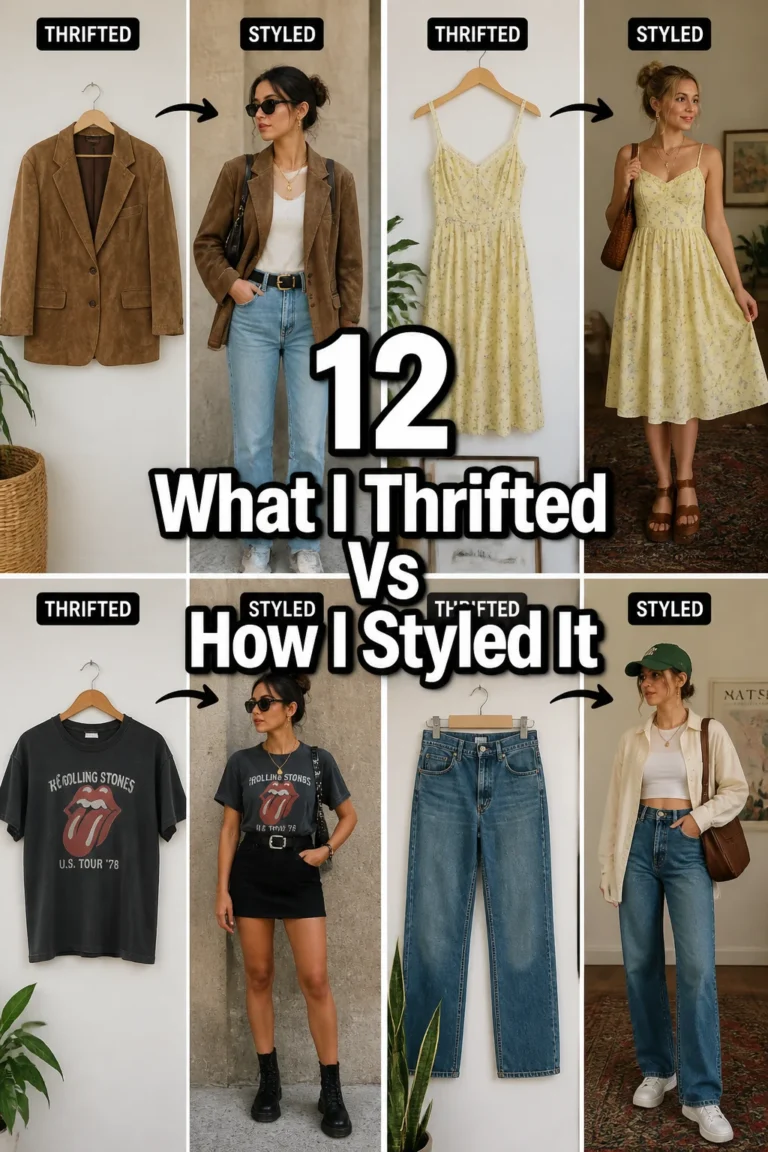
Try styling old pieces in new ways. Combine them with items you’ve never paired before, add different accessories, or experiment with layering. Sometimes a simple belt or a new scarf can give an old dress a fresh look. Consider DIY alterations if you’re feeling creative.
Should I follow fashion trends?
Trends can be fun, but they shouldn’t dictate your entire wardrobe. Pick and choose trends that genuinely appeal to you and complement your existing style. Incorporate them thoughtfully, rather than buying into every fleeting fad, to maintain a cohesive and personal look.
Our Top Recommended Finds
- Full-Length Mirror: Essential for seeing your entire outfit and assessing proportions.
- Steamer or Iron: Keeps your clothes looking crisp and polished, making even simple outfits appear more put-together.
- Wardrobe Dividers/Hangers: Helps keep your closet organized and maximizes space, making it easier to see and access your clothes.
Embrace Your Unique Style Journey
Learning how to style clothes is an ongoing adventure, not a destination. Each step you take, from decluttering to experimenting with new combinations, builds your confidence and refines your eye.
Don’t be afraid to make mistakes; they are part of the learning process. The goal is to feel comfortable and authentic in what you wear, expressing your true self through your clothes.
Start today by picking one item from your closet and challenging yourself to style it in three different ways. You might be surprised by what you discover.