👔 How To Dry Clean A Suit At Home
Maintaining a suit can feel like a daunting and expensive task. Professional dry cleaning bills add up quickly, especially if you wear your suit often.
I’ve learned over the years that with a little care and the right approach, you can keep your suits looking crisp and fresh right from your own home. This guide shares the practical, tested methods I use to extend the life and appearance of my own formal wear.
Quick Overview
This guide will walk you through the essential steps to refresh and clean your suit at home, saving you time and money while preserving its quality. You’ll learn how to tackle minor stains, eliminate odors, and restore a polished look without harsh chemicals or excessive water.
- Time needed: 1-2 hours active work, plus 12-24 hours passive drying time
- Difficulty: Intermediate
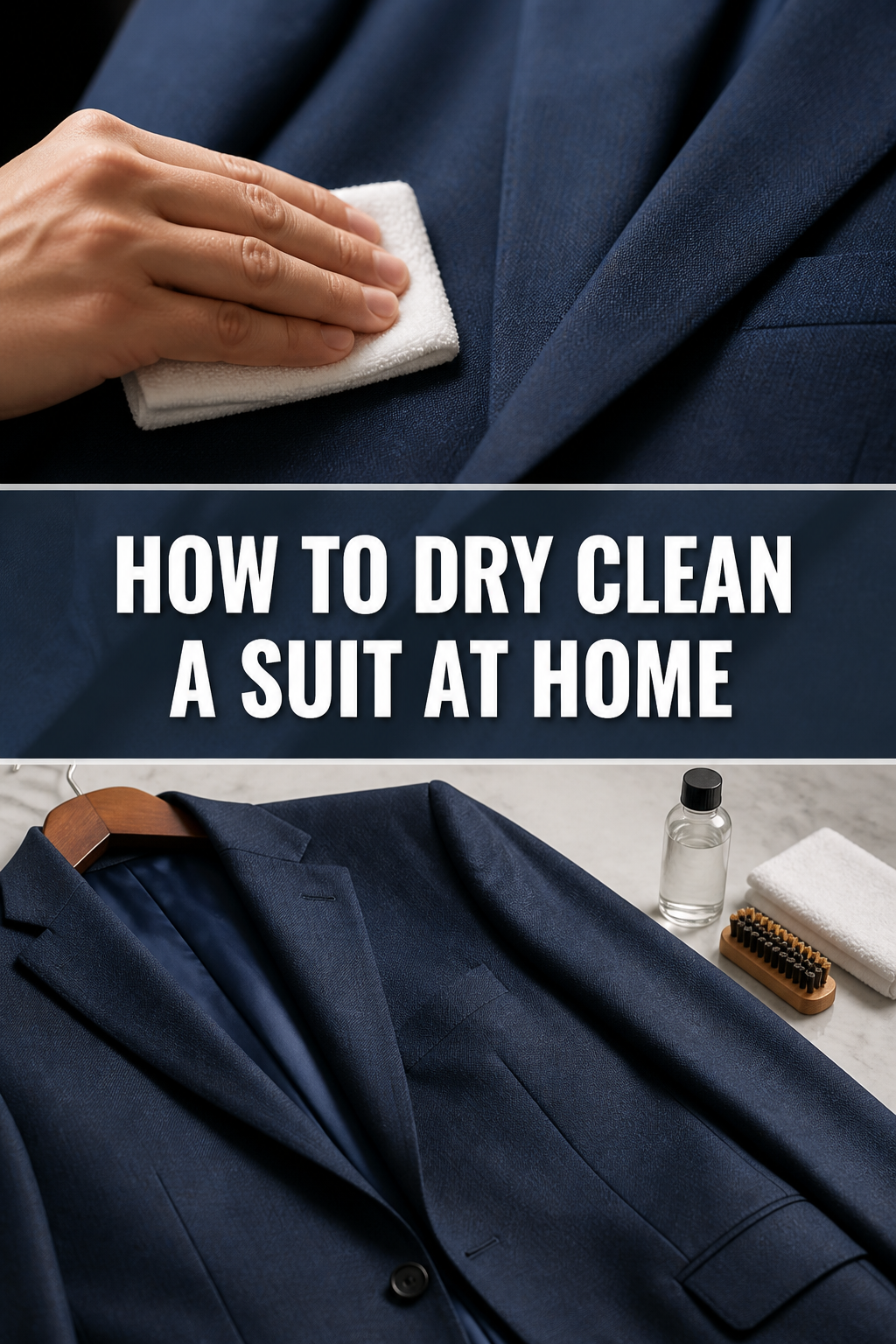
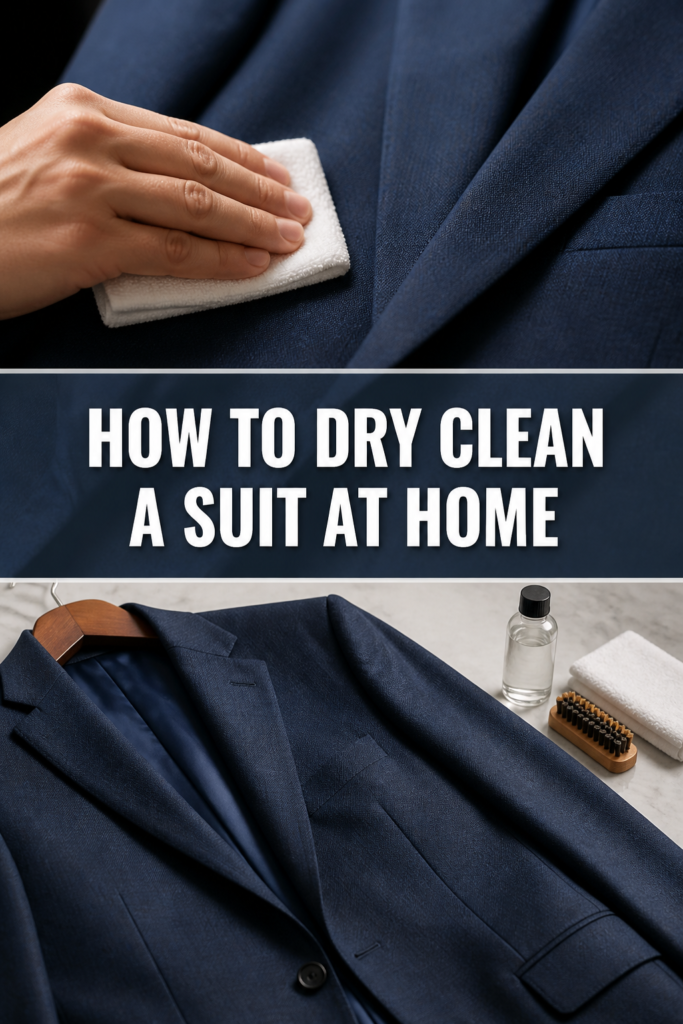
- What you’ll need: Garment steamer, suit brush, gentle stain remover, clean microfiber cloths, padded hanger, garment bag
Step-by-Step Instructions
Step 1: Assess the Suit’s Condition
Before you begin, take a moment to carefully inspect your suit. Look for any visible stains, dirt, or areas that might need special attention.
Pay close attention to common problem spots like cuffs, collars, lapels, and pockets. This initial assessment helps you plan your cleaning strategy effectively.
Pro Tip: Always check the care label inside your suit jacket and trousers. While we’re ‘dry cleaning’ at home, understanding the fabric composition (wool, silk, linen, synthetics) is crucial for choosing the gentlest methods.
Step 2: Brush Away Loose Debris
Using a high-quality suit brush, gently brush the entire suit fabric. Start from the shoulders and work your way down.
Brush in the direction of the fabric’s nap. This action removes dust, lint, pet hair, and superficial dirt that can dull the suit’s appearance.
Regular brushing also helps to restore the natural sheen of the fabric. It’s a fundamental step for overall suit maintenance.
Step 3: Spot Clean Any Stains
Address any visible stains immediately. For most fresh, water-soluble stains (like coffee or food), a damp cloth and a very mild detergent can work wonders.
Dab the stain gently with a clean, white microfiber cloth moistened with a tiny amount of gentle fabric cleaner. Always work from the outside of the stain inwards to prevent spreading.
For oil-based stains, a specialized dry cleaning solvent or a specific stain remover for delicate fabrics might be necessary. Test any product on an inconspicuous area first, like an inner seam.
Rinse the treated area by dabbing with a clean, damp cloth. Allow it to air dry completely before moving on.
Step 4: Steam for Refreshing and Wrinkle Removal
A garment steamer is your best friend for at-home suit care. Hang your suit jacket and trousers on a padded hanger.
Hold the steamer nozzle a few inches away from the fabric. Move the steamer slowly over the entire garment, allowing the steam to penetrate the fibers.
The steam relaxes fabric wrinkles and helps to kill odor-causing bacteria. It’s an excellent way to refresh a suit that isn’t heavily soiled.
Focus on areas with persistent wrinkles, but avoid direct, prolonged contact with the fabric. The steam should gently lift and smooth the fibers.
Step 5: Air Dry Thoroughly and Completely
After steaming, it’s crucial to allow your suit to air dry completely. Hang the jacket and trousers on separate, padded hangers in a well-ventilated area.
Do not place the suit in direct sunlight, which can fade colors. Avoid storing it in a closet while still damp, as this can lead to mildew and unpleasant odors.
Ensure every part of the suit, especially linings and thicker seams, is bone dry. This might take several hours or even overnight. Patience is key here.
Step 6: Reshape and Press (Optional)
Once fully dry, you might want to gently press certain areas for a sharper finish. Use a pressing cloth between the iron and the suit fabric to protect it.
Set your iron to the appropriate temperature for your suit’s fabric (usually wool or silk setting). Press lapels, pocket flaps, and trouser creases carefully.
Avoid excessive heat or direct ironing on delicate areas. The goal is to refine the shape, not to flatten the fabric’s texture.
Step 7: Store Your Suit Properly
Proper storage is vital for maintaining your suit’s condition between wears. Hang your suit on a sturdy, padded hanger that supports the shoulders.
This prevents the jacket from losing its shape. Hang trousers on a dedicated trouser hanger or fold them neatly over the bottom bar of a padded hanger.
Store the suit in a breathable garment bag to protect it from dust and moths. Avoid cramming it into a crowded closet, as this can cause wrinkles.
Common Mistakes to Avoid
Over-Wetting the Fabric
One of the biggest mistakes is applying too much liquid, whether water or stain remover, directly to the suit fabric. Suits are often made of wool or delicate blends that can shrink, warp, or develop water spots when oversaturated. Always use a damp cloth, not a soaking wet one, and blot rather than rub.
Using Harsh Chemicals
Never use household cleaning products, bleach, or aggressive detergents on your suit. These can strip natural fibers, cause discoloration, or leave behind damaging residues. Stick to gentle, pH-neutral fabric cleansers specifically designed for delicate materials or professional spot removers.
Improper Drying
Putting a damp suit away or trying to speed up drying with high heat (like a tumble dryer or direct strong sunlight) can cause irreversible damage. High heat can shrink wool, set wrinkles, or distort the suit’s structure. Always air dry in a cool, well-ventilated space, allowing ample time for complete drying.
Skipping the Test Patch
Before applying any cleaning solution to a visible stain, always test it on an inconspicuous area of the suit, such as an inside seam or the back of a lapel. This ensures the product won’t cause discoloration, fabric damage, or leave an unwanted mark. Skipping this step can lead to permanent damage.
Troubleshooting
Lingering Odors After Steaming
If your suit still has a slight odor after steaming, it might need more thorough ventilation. Hang the suit outdoors on a dry, breezy day for a few hours, but out of direct sunlight. A fabric refresher spray designed for delicate garments can also help, but always test it first.
Stubborn Wrinkles Remain
For persistent wrinkles, ensure your steamer is producing strong, consistent steam. You might need to go over the area multiple times, allowing the fabric to cool and relax between passes. For very deep creases, a gentle press with an iron (using a pressing cloth and low heat) after steaming can be effective.
Water Spots Appear After Spot Cleaning
Water spots often occur when the treated area dries unevenly compared to the surrounding fabric. To fix this, lightly mist the entire panel (e.g., the whole jacket front) with clean water using a spray bottle. Then, steam the entire panel to ensure even drying and blend the moisture. Allow it to air dry completely again.
Key Takeaways
- Always begin by thoroughly assessing your suit and checking its care label.
- Use a suit brush regularly to remove surface dust and maintain fabric nap.
- Address stains promptly with gentle, tested spot cleaning methods.
- A garment steamer is essential for refreshing fabric, removing wrinkles, and eliminating odors.
- Ensure your suit air dries completely on a padded hanger in a well-ventilated area.
- Store your suit in a breathable garment bag on a quality hanger to preserve its shape and prevent damage.
Frequently Asked Questions
Is this method truly “dry cleaning”?
No, this method is not true professional dry cleaning, which uses chemical solvents and specialized machinery. This guide provides effective home alternatives for refreshing, de-wrinkling, and spot cleaning suits. It’s a gentle, water-based approach that mimics some dry cleaning benefits without the harsh chemicals.
How often should I “dry clean” my suit at home?
The frequency depends on how often you wear your suit and its exposure to dirt or odors. For occasional wear, a quick brush and steam after every 2-3 wears is usually sufficient. For more frequent use, you might incorporate these steps weekly or bi-weekly. Only spot clean when necessary.
Can I use a washing machine for my suit?
Absolutely not. Unless the care label explicitly states “machine washable” (which is rare for traditional suits), a washing machine can severely damage the delicate structure, interlinings, and fabric of your suit. It can cause shrinking, warping, and irreversible damage.
What if my suit is heavily soiled or has a complex stain?
For heavily soiled suits, intricate stains, or delicate fabrics like silk or rayon, professional dry cleaning is still the safest and most recommended option. Home methods are best for maintenance, minor refreshes, and light spot cleaning, not deep cleaning heavily soiled garments.
Our Top Recommended Finds
- High-Quality Garment Steamer: Essential for wrinkle removal and fabric refreshing without direct heat. Look for one with a continuous steam function.
- Natural Bristle Suit Brush: Perfect for gently lifting dust, lint, and pet hair, while restoring the fabric’s natural sheen.
- Delicate Fabric Spot Cleaner: A pH-neutral, residue-free formula specifically designed for wool, silk, and other fine garments. Always test first.
Embrace the Art of Home Suit Care
Taking care of your suit at home empowers you to maintain its pristine condition between professional cleanings. You’ll save money, extend the life of your garments, and always look your best.
These simple, consistent practices make a significant difference in how your suit looks and feels. Start incorporating these steps into your routine today. Your wardrobe, and your wallet, will thank you.