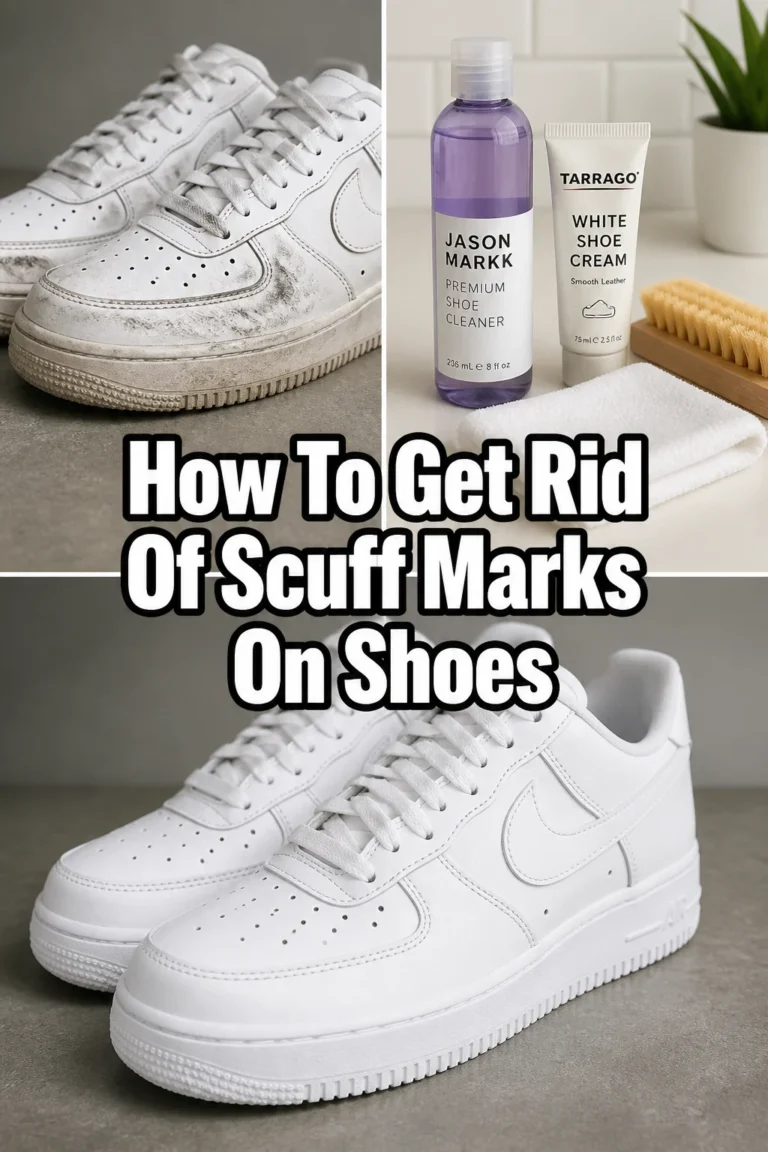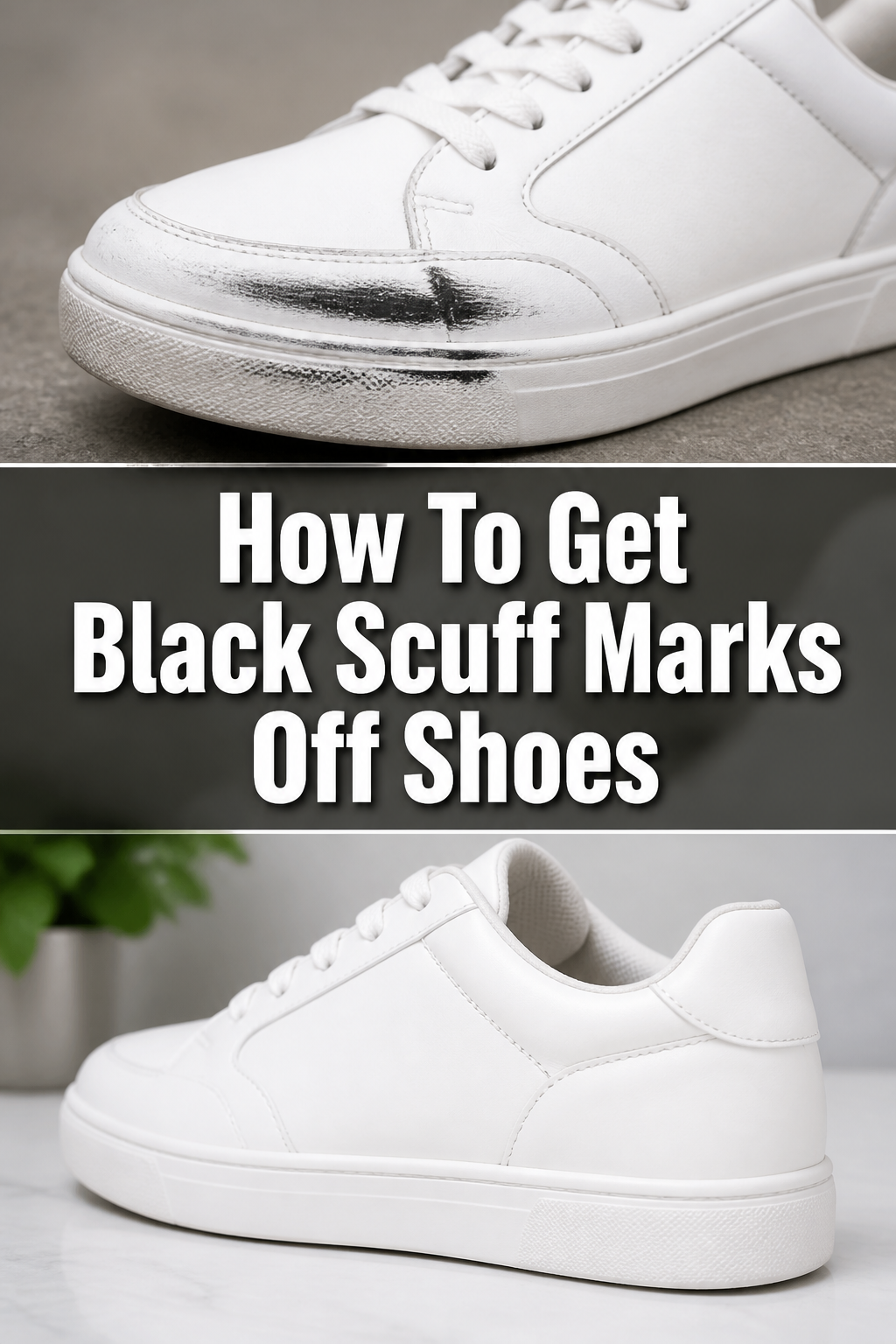
👟 How To Get Black Scuff Marks Off Shoes
There’s nothing quite like the frustration of seeing a fresh black scuff mark marring your favorite pair of shoes.
I’ve been there countless times, whether it’s from a clumsy misstep or an unexpected brush against a hard surface.
Over the years, I’ve honed a variety of techniques to effectively banish these unsightly blemishes, and I’m here to share those proven methods with you.
Quick Overview
This guide will equip you with practical strategies to remove black scuff marks from various shoe materials, restoring their pristine appearance.
- Time needed: 10-30 minutes per pair, depending on severity
- Difficulty: Beginner
- What you’ll need: Soft cloths, water, common household items, specific shoe care products
Step-by-Step Instructions
Step 1: Assess the Scuff and Shoe Material
Before you begin, carefully examine the scuff mark.
Determine if it’s a superficial surface mark or a deeper abrasion.
Also, identify the material of your shoes.
Different materials like leather, canvas, suede, or synthetic require specific cleaning approaches.
Step 2: Gently Wipe Away Loose Debris
Start by using a dry, soft cloth or a soft-bristled brush.
Gently wipe the entire shoe, paying close attention to the scuffed area.
This removes any loose dirt, dust, or superficial grime that might interfere with the cleaning process.
Pro Tip: Always work on clean shoes. Any remaining grit could accidentally spread or worsen the scuff when you start cleaning.
Step 3: Test Your Cleaning Solution
Before applying any cleaning agent directly to the scuff, it’s crucial to perform a spot test.
Choose an inconspicuous area of the shoe, such as the inner ankle or a hidden seam.
Apply a tiny amount of your chosen cleaner to this spot.
Wait a few minutes to ensure there’s no discoloration, staining, or damage to the material.
Step 4: Choose Your Weapon – The Right Cleaning Agent for the Material
For Smooth Leather and Patent Leather
Reach for a “magic eraser” (melamine foam sponge).
Lightly dampen the eraser with water.
Gently rub the scuff mark in small, circular motions.
Alternatively, try a small dab of non-gel toothpaste (white paste only).
Apply it directly to the scuff with a soft cloth.
Rub gently until the mark disappears.
Wipe away any residue with a clean, damp cloth.
For tougher marks, a cotton swab dipped in rubbing alcohol can also be effective.
Apply sparingly and wipe immediately.
Pro Tip: For smooth leather, always follow up with a leather conditioner after cleaning to restore moisture and protect the material.
For Canvas and Fabric Shoes
Mix a small amount of mild dish soap with warm water.
Dip a soft cloth or an old toothbrush into the solution.
Gently scrub the scuff mark in small circles.
Rinse the cloth frequently and continue until the scuff fades.
Wipe down the area with a clean, damp cloth to remove all soap residue.
Allow the shoes to air dry completely away from direct heat.
For Suede and Nubuck Shoes
These materials are delicate and require a special touch.
Use a dedicated suede brush or a clean pencil eraser for light scuffs.
Gently rub the scuff mark in one direction to lift the fibers.
If the scuff persists, try a specialized suede cleaner spray.
Follow the product instructions carefully, as overuse can damage the material.
Always finish by brushing with a suede brush to restore the nap.
For Synthetic Materials and Rubber Soles
Many athletic shoes and sneakers feature synthetic uppers and rubber soles.
A “magic eraser” is often highly effective on these surfaces.
Dampen the eraser and gently rub the scuff.
For rubber soles, a mixture of baking soda and a small amount of water to form a paste can also work wonders.
Apply the paste with an old toothbrush and scrub gently.
Rinse with a damp cloth and dry thoroughly.
Step 5: Repeat if Necessary
Stubborn scuffs may require multiple applications.
Repeat the cleaning process from Step 4, always being gentle and patient.
Avoid aggressive scrubbing, which can damage the shoe material.
Step 6: Dry and Protect Your Shoes
Once the scuff is gone, ensure the shoes are completely dry before wearing them.
Air dry them naturally at room temperature, away from direct sunlight or heat sources.
For leather shoes, apply a leather conditioner or polish to nourish the material and add a layer of protection.
Consider using a waterproofing spray for canvas, suede, or synthetic shoes to help prevent future marks and stains.
Common Mistakes to Avoid
Using Harsh Chemicals
Many people reach for strong household cleaners like bleach or abrasive kitchen scrubs.
These products can strip natural oils from leather, fade colors on canvas, or permanently damage delicate suede fibers.
Always opt for the mildest effective solution first and test it in a hidden area.
Scrubbing Too Aggressively
It’s tempting to apply a lot of pressure when a scuff mark is stubborn.
However, aggressive scrubbing can abrade the shoe’s surface, remove dye, or create permanent damage that is worse than the original scuff.
Use gentle, consistent pressure and multiple applications rather than brute force.
Skipping the Spot Test
Failing to test a cleaning product on an inconspicuous area is a common oversight.
This can lead to unexpected discoloration or damage on a visible part of your shoe.
Always dedicate a moment to a quick spot test to avoid irreversible mistakes.
Neglecting Post-Cleaning Care
After successfully removing a scuff, many forget to recondition or protect their shoes.
Cleaning can sometimes dry out materials, especially leather.
Conditioning or waterproofing helps restore the material’s integrity and offers protection against future blemishes.
Troubleshooting
Scuff Mark Won’t Budge
If a scuff mark seems incredibly stubborn, it might be more than just a surface transfer.
It could be a deeper gouge or a permanent alteration of the material.
Consider taking the shoes to a professional cobbler who has specialized tools and knowledge for deeper repairs.
Shoe Material Looks Dull or Dry After Cleaning
This often happens with leather after it’s been cleaned, as some moisture can be removed in the process.
Apply a high-quality leather conditioner or shoe polish suitable for your shoe’s color.
This will rehydrate the leather, restore its luster, and provide a protective barrier.
Cleaning Left a Water Mark or Residue
Water marks can appear if shoes aren’t dried evenly or if soap residue wasn’t fully rinsed.
For fabric shoes, try re-wetting the entire affected panel with clean water and letting it air dry completely and evenly.
For leather, a damp cloth followed by a gentle buff can often resolve minor water marks, then recondition.
Key Takeaways
- Always identify your shoe material before attempting any cleaning method.
- Start with the gentlest cleaning method and escalate only if necessary.
- A spot test on an inconspicuous area is non-negotiable for all new products.
- Gentle rubbing and patience are more effective than aggressive scrubbing.
- Recondition or protect your shoes after cleaning, especially leather, to maintain their quality.
- Magic erasers, mild soap, and dedicated suede brushes are versatile tools.
Frequently Asked Questions
Can I use nail polish remover for scuff marks?
Nail polish remover contains acetone, which is a very strong solvent. While it might remove some scuffs, it can also dissolve certain shoe materials, strip dyes, or permanently damage the finish of your shoes. It’s generally not recommended for most shoe types, especially leather or synthetic materials.
How do I prevent black scuff marks in the future?
Prevention is key. Regularly apply a protective spray or polish suitable for your shoe material. Be mindful of where you step and how you store your shoes. Using shoe trees can help maintain shape and prevent creasing, which can sometimes lead to scuff-prone areas.
Is a “magic eraser” safe for all shoe types?
Magic erasers are excellent for many materials, particularly smooth leather, patent leather, and rubber soles. However, they are mildly abrasive. Avoid using them on delicate materials like suede, nubuck, or very soft, untreated leathers, as they can damage the nap or finish. Always perform a spot test first.
What if my shoes are dyed a light color and the scuff is black?
Light-colored shoes with black scuffs can be more challenging. Focus on lifting the black transfer, not just scrubbing it in. Gentle methods like a magic eraser or a baking soda paste (for non-leather) are often effective. Be extra patient and ensure you’re cleaning, not spreading the pigment. Professional cleaning might be needed for severe cases.
Our Top Recommended Finds
- Melamine Foam Sponges: Often sold as “magic erasers,” these are incredibly effective for surface scuffs on many smooth materials and rubber.
- Mild Dish Soap: An everyday household item that works wonders on canvas and fabric shoes without harsh chemicals.
- Leather Conditioner/Polish: Essential for restoring moisture and shine to leather shoes after cleaning, and providing future protection.
Revitalize Your Footwear Today
Don’t let unsightly black scuff marks diminish the appeal of your favorite shoes any longer.
Armed with these straightforward techniques, you have the power to restore them to their former glory.
Take a moment to gather your supplies, follow these simple steps, and watch those scuffs vanish.
Your shoes, and your confidence, will thank you for it.