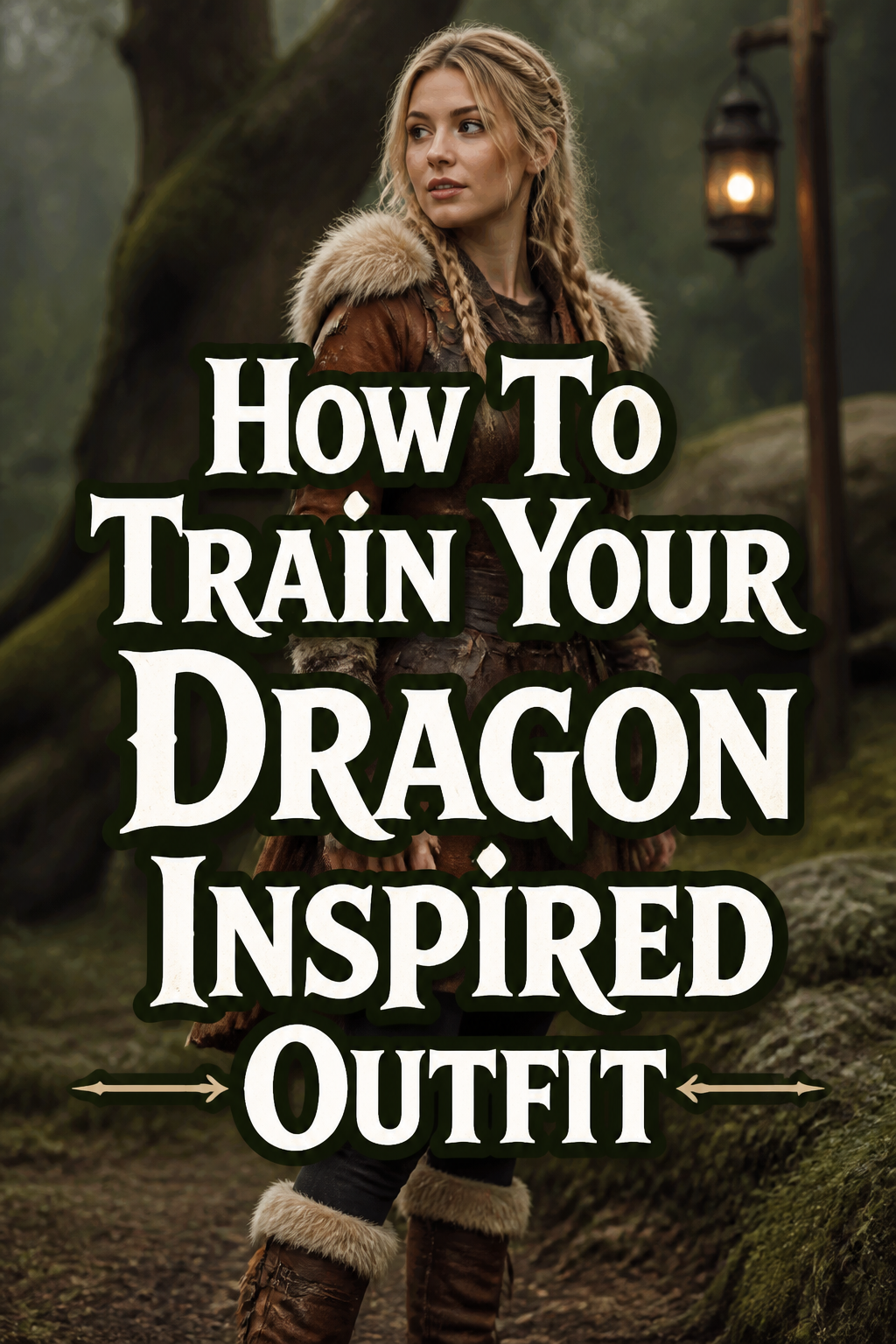
💡 How To Train Your Dragon Inspired Outfit
Remember the thrill of seeing Hiccup and Toothless take flight, their bond a testament to courage and creativity?
That spirit of adventure and ingenuity is exactly what we’ll channel today.
Having brought several Viking and fantasy characters to life through costuming, I’m thrilled to guide you in forging your own dragon rider legacy.
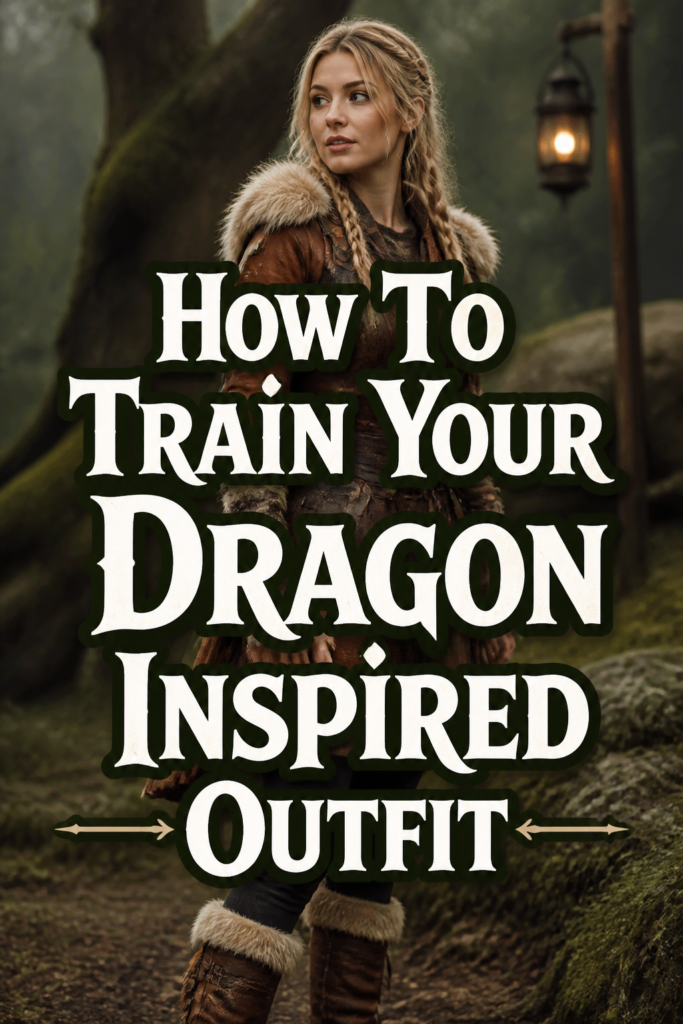
Quick Overview
Crafting a “How To Train Your Dragon” inspired outfit allows you to embody the rugged charm and innovative spirit of the Viking world. You’ll learn to combine practical elements with fantastical touches, creating a truly unique ensemble.
- Time needed: 6-12 hours (depending on detail and complexity)
- Difficulty: Intermediate
- What you’ll need: Various fabrics (cotton, linen, faux leather, faux fur), basic sewing supplies, measuring tape, scissors, craft foam, paints, and a healthy dose of imagination.
Step-by-Step Instructions
Step 1: Envision Your Dragon Rider Persona
Before you even touch fabric, consider the story of your character. Are they a fierce warrior, a skilled dragon trainer, or a resourceful inventor from Berk? Their role will shape the entire look.
Think about their personality and their dragon companion. Does their outfit reflect their dragon’s colors, textures, or even their scales? This initial brainstorm is crucial for a cohesive design.
Pro Tip: Sketching out a few ideas, even simple stick figures, can help solidify your vision. Don’t worry about artistic skill, just get the concepts down.
Step 2: Gather Visual Inspiration and References
Dive into the “How To Train Your Dragon” films, TV series, and concept art. Pay close attention to the details of Hiccup, Astrid, Stoick, and other villagers. Notice the layering, textures, and practical elements.
Look beyond the main characters too. The background villagers often sport interesting tunics, wraps, and accessories that can inspire your base layers. Collect images of specific garments, armor pieces, and even hairstyles.
Consider real-world Viking historical clothing for an authentic base. This fusion of fantasy and historical accuracy creates a rich, believable look.
Step 3: Select Your Core Materials and Color Palette
The choice of materials is paramount for achieving the right aesthetic. Prioritize natural fibers like cotton, linen, and wool for comfort and an authentic feel. For armor and accents, faux leather and pleather are excellent, cruelty-free options.
Faux fur is essential for that rugged, northern Viking touch. Look for varieties with varying pile lengths and colors to add depth. Your color palette should reflect the natural world of Berk—earthy browns, greens, grays, and deep blues.
Think about your dragon. If your dragon is green, incorporate subtle green accents into your outfit. This creates a visual link without being overly literal.
Step 4: Construct the Foundation Layers
Start with the innermost garments: a simple long-sleeved tunic and trousers. These should be comfortable and made from breathable fabric like cotton or linen. Earthy tones work best here.
The tunic can be a basic T-shape, historically accurate for Vikings. The trousers can be loose-fitting or slightly tapered, ready for boots. These layers are the canvas for your more elaborate pieces.
Ensure these base layers allow for full range of motion. You’ll want to move freely, just like a true dragon rider.
Step 5: Develop the Mid-Layer Vest or Jacket
A sturdy vest or jacket is a hallmark of “How To Train Your Dragon” outfits. This piece often features faux leather or heavier canvas, providing structure and warmth. It also serves as a canvas for decorative elements.
Consider adding a high collar or lapels to your vest, reminiscent of Hiccup’s later outfits. This adds a touch of sophistication and protection. The vest should fit snugly but not restrict movement.
Use contrasting fabrics or textures on this layer. A faux leather vest with faux fur trim around the collar or armholes instantly elevates the look.
Pro Tip: Instead of complex patterns, modify existing clothing. A simple denim vest can be transformed with fabric dyes, faux leather patches, and fur trim.
Step 6: Integrate the Outerwear and Warmth
A cloak or a heavy, fur-lined coat is perfect for the chilly Berk climate. This piece adds dramatic flair and practical warmth. Choose a heavy wool blend or a thick canvas for the main body.
Line the cloak with faux fur for that authentic Viking feel. The length can vary from hip-length to floor-length, depending on your character’s style. A shorter cloak might suggest agility, while a longer one offers more protection.
Secure the cloak with a sturdy brooch or a leather strap. This small detail adds both functionality and character.
Step 7: Craft Functional Accessories and Belts
Belts are not just for holding up trousers; they are integral to the “How To Train Your Dragon” aesthetic. Use wide, sturdy leather or faux leather belts. Consider layering two belts for added visual interest.
Attach pouches, small bags, or tool holders to your belt. These functional elements enhance the rugged, resourceful image of a Viking. Think about what your character would carry daily.
Arm wraps or bracers are excellent additions. These can be made from strips of fabric, faux leather, or even craft foam painted to look like metal. They protect the forearms and add to the warrior look.
Step 8: Detail with Dragon-Inspired Elements
Now for the fun part: infusing dragon characteristics. This is where your chosen dragon comes to life in your outfit. Think about subtle nods rather than literal interpretations.
Consider adding faux leather “scales” to a shoulder piece or the back of a vest. Use different shades of paint to create a realistic, layered effect. The texture is key here.
Incorporate your dragon’s color palette into stitching, patches, or even painted details. A small, stylized dragon symbol on a belt buckle or arm wrap can be a powerful, understated touch.
Step 9: Apply Weathering and Distressing
A brand-new outfit rarely looks like it belongs on Berk. Weathering makes your costume look lived-in and authentic. Use sandpaper to scuff up fabric edges, especially on faux leather.
Diluted fabric paint or tea/coffee stains can create dirt and grime effects. Focus on areas that would naturally show wear, like cuffs, hems, and knees. A light dusting of brown or black powder pigment can simulate mud.
Don’t overdo it. The goal is to make it look well-used, not completely destroyed. Subtlety is key for convincing weathering.
Step 10: Final Fitting and Adjustments
Once all the pieces are assembled, put on the entire outfit. Move around, sit, and raise your arms. Identify any areas that feel uncomfortable or restrict movement.
Make small adjustments as needed. This might involve shortening a hem, tightening a strap, or adding a hidden elastic band for comfort. A well-fitting costume is a comfortable costume.
Take photos from different angles to see how it looks. Sometimes, what feels good in person might look odd in a picture. This final review ensures your dragon rider outfit is ready for adventure.
Common Mistakes to Avoid
Ignoring Practicality for Aesthetics
It’s easy to get carried away with elaborate designs, but remember that Vikings and dragon riders need to move. An outfit that is too stiff, too heavy, or too restrictive will quickly become uncomfortable. Always prioritize comfort and mobility, especially for events where you’ll be wearing it for hours.
Over-Literal Dragon Interpretation
While it’s a “Dragon Inspired” outfit, avoid making it look like you’re wearing a dragon costume. Instead of full wings or a tail, think about textures, colors, and subtle scale patterns. A stylized dragon motif or an accent that hints at a dragon’s wing is far more effective than a direct, often clunky, replication.
Neglecting Layering and Texture
The richness of “How To Train Your Dragon” outfits comes from their intricate layering and varied textures. A single fabric for an entire outfit can look flat and uninspired. Mix faux fur with leather, linen with canvas, and add contrasting stitching or patches to create depth and visual interest.
Skipping the Weathering Process
A pristine, factory-fresh outfit will immediately stand out as a costume. The characters in the films live rugged lives. Without weathering, your outfit loses its authenticity. Even a few scuffs, some faded areas, or a bit of “dirt” can make a huge difference in making your outfit look genuinely worn and lived-in.
Troubleshooting
Outfit Feels Stiff or Uncomfortable
If your outfit feels restrictive, examine the seams and fit. For fabric garments, try stretching the fabric gently or adding small gussets in high-movement areas like armpits or crotch. For faux leather or stiffer materials, consider adding elastic panels in less visible areas to allow for more give. Breaking in the outfit by wearing it for short periods can also help.
Outfit Lacks “Viking” Authenticity
If your outfit doesn’t quite capture that rugged Viking feel, revisit your material choices and layering. Ensure you have enough natural-looking textures like faux fur, linen, and faux leather. Add more practical accessories like pouches, sturdy belts, and arm wraps. Subtle distressing and weathering will also significantly enhance the authentic, lived-in look.
Dragon Elements Look Childish or Unconvincing
When dragon elements appear cartoonish, it’s often due to being too literal or using overly bright, unnatural colors. Focus on abstracting dragon features. Instead of drawing a cartoon dragon, think about the texture of scales, the curve of a wing, or the sheen of a dragon’s hide. Use muted, natural colors and integrate these elements subtly into the existing fabric and design. Less is often more for a sophisticated dragon-inspired look.
Key Takeaways
- Thorough research and character conception are the foundation of an authentic outfit.
- Layering different textures and fabrics is essential for visual depth and realism.
- Subtle integration of dragon-inspired elements is more effective than literal representations.
- Weathering and distressing techniques add crucial authenticity and a lived-in feel.
- Prioritize comfort and mobility to ensure your outfit is practical for any adventure.
- Don’t be afraid to experiment and personalize your outfit to tell your unique story.
Frequently Asked Questions
Can I create a great outfit without extensive sewing skills?
Absolutely! Many elements can be achieved with fabric glue, safety pins, or by modifying existing clothing. Look for pre-made tunics, trousers, and vests that you can embellish with faux fur, leather patches, and painted details. No-sew techniques like cutting and tying fabric strips for wraps are also effective.
What are some good ways to make a helmet or headpiece?
For a “How To Train Your Dragon” inspired helmet, craft foam (EVA foam) is an excellent, lightweight material. It can be cut, heat-shaped, and painted to mimic metal or leather. Online tutorials for foam armor are abundant. Alternatively, a simple fur-lined hood or a leather cap can provide a similar aesthetic without the complexity of a helmet.
Should I consider hair and makeup for the complete look?
Definitely! Hair and makeup can significantly enhance your outfit. Think about braids, messy buns, or rugged hairstyles for a Viking look. For makeup, a bit of smudged eyeliner or subtle dirt effects can add to the weathered appearance, bringing your character fully to life.
Where can I find affordable materials for my outfit?
Thrift stores are treasure troves for base garments and fabrics. Look for old leather jackets, wool blankets, or oversized shirts. Fabric stores often have sales on faux fur and remnants. Craft stores are great for faux leather scraps, foam, and paints. Don’t underestimate repurposing items you already own.
Forge Your Dragon Rider Legacy
Crafting a “How To Train Your Dragon” inspired outfit is more than just assembling clothes; it’s about embodying a spirit of adventure, resourcefulness, and connection. Each stitch, every weathered detail, tells a piece of your unique story. This guide provides the tools, but your imagination is the true forge.
Now that you have the blueprint, the real journey begins. Gather your materials, ignite your creativity, and start building the outfit that truly reflects your inner dragon rider. Perhaps your next project could be designing a matching prop weapon or even a small dragon companion to complete your ensemble. The skies of Berk await your arrival!