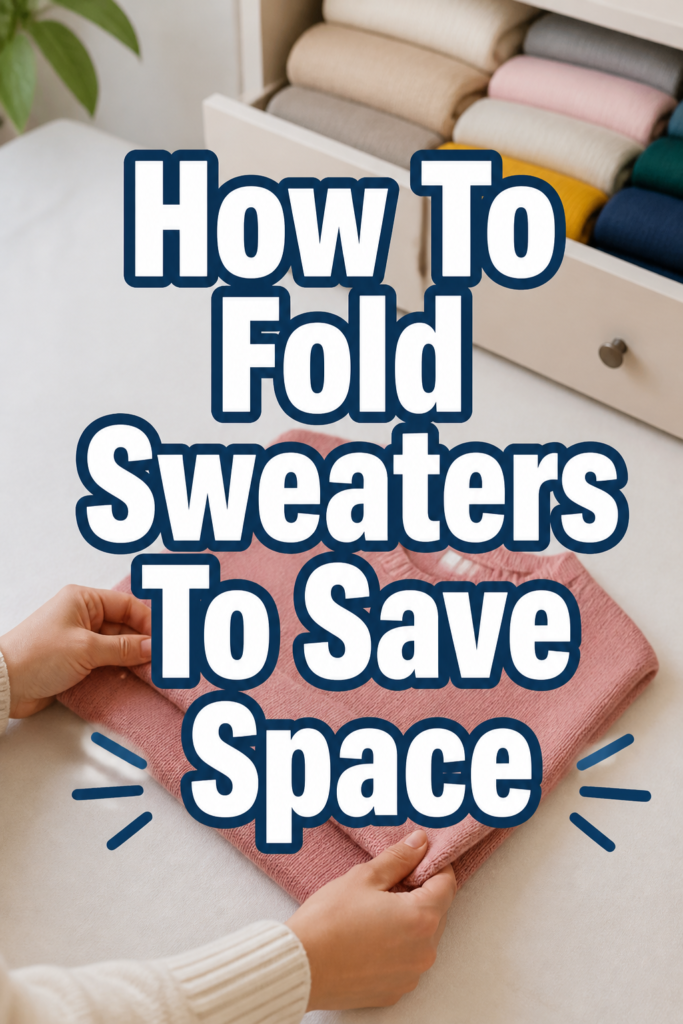
👕 How To Fold Sweaters To Save Space
Do you open your closet only to be met with an avalanche of bulky sweaters?
Are your drawers overflowing, making it impossible to find what you need?
I used to struggle with this constantly, but learning a few simple folding techniques completely transformed my storage, and now I can share those practical methods with you.
Quick Overview
This guide will show you how to fold your sweaters efficiently, freeing up valuable closet and drawer space while keeping your garments neat.
- Time needed: 1-2 minutes per sweater
- Difficulty: Beginner
- What you’ll need: A flat surface, your sweaters
Step-by-Step Instructions
Step 1: Prepare Your Workspace
Clear a flat, clean surface where you can work comfortably. This could be a bed, a table, or even a clean floor.
Ensure your sweater is completely dry and free of any wrinkles you want to avoid setting in. A quick shake can help smooth it out.
Step 2: Lay the Sweater Flat
Place your sweater face down on your prepared flat surface. This position helps create a clean, uniform front once folded.
Smooth out any creases or bumps with your hands. A perfectly flat start ensures a tidy final fold.
Step 3: Fold One Side Inward
Imagine a line running vertically from the shoulder down to the hem, about one-third of the way in from the side seam.
Fold one side of the sweater inward along this imaginary line. The sleeve will naturally extend outwards.
Pro Tip: Aim to make the folded edge as straight as possible. This creates a neat foundation for the rest of the fold.
Step 4: Fold the Sleeve Down
Take the sleeve you just folded inward and fold it back towards the center of the sweater. It should lie neatly within the boundaries of the folded-in section.
Adjust the sleeve so it doesn’t bunch up. The goal is a smooth, flat rectangle on this side.
Step 5: Repeat on the Other Side
Repeat the process from Step 3 and Step 4 for the other side of the sweater.
Fold the second side inward, then fold its sleeve back towards the center. You should now have a long, narrow rectangle.
Step 6: Fold the Bottom Up
Locate the bottom hem of the sweater. Fold this section up towards the collar, covering about one-third of the sweater’s length.
Make this fold crisp and even. This initial upward fold helps create a stable base for the final compact shape.
Step 7: Fold in Half or Thirds
This is where the real space-saving happens. You have two main options here:
Option A (For drawers): Fold the sweater in half again, bringing the bottom folded edge up to meet the collar. This creates a compact, rectangular bundle that stands upright.
Option B (For shelves or shallower drawers): Fold the sweater into thirds. Bring the bottom folded edge up to cover two-thirds of the sweater, then fold the top third down over that. This also creates a neat, stand-alone package.
Pro Tip: For thicker sweaters, folding into thirds often works better to maintain a flatter profile. Experiment to see what fits your storage best.
Step 8: Store Vertically
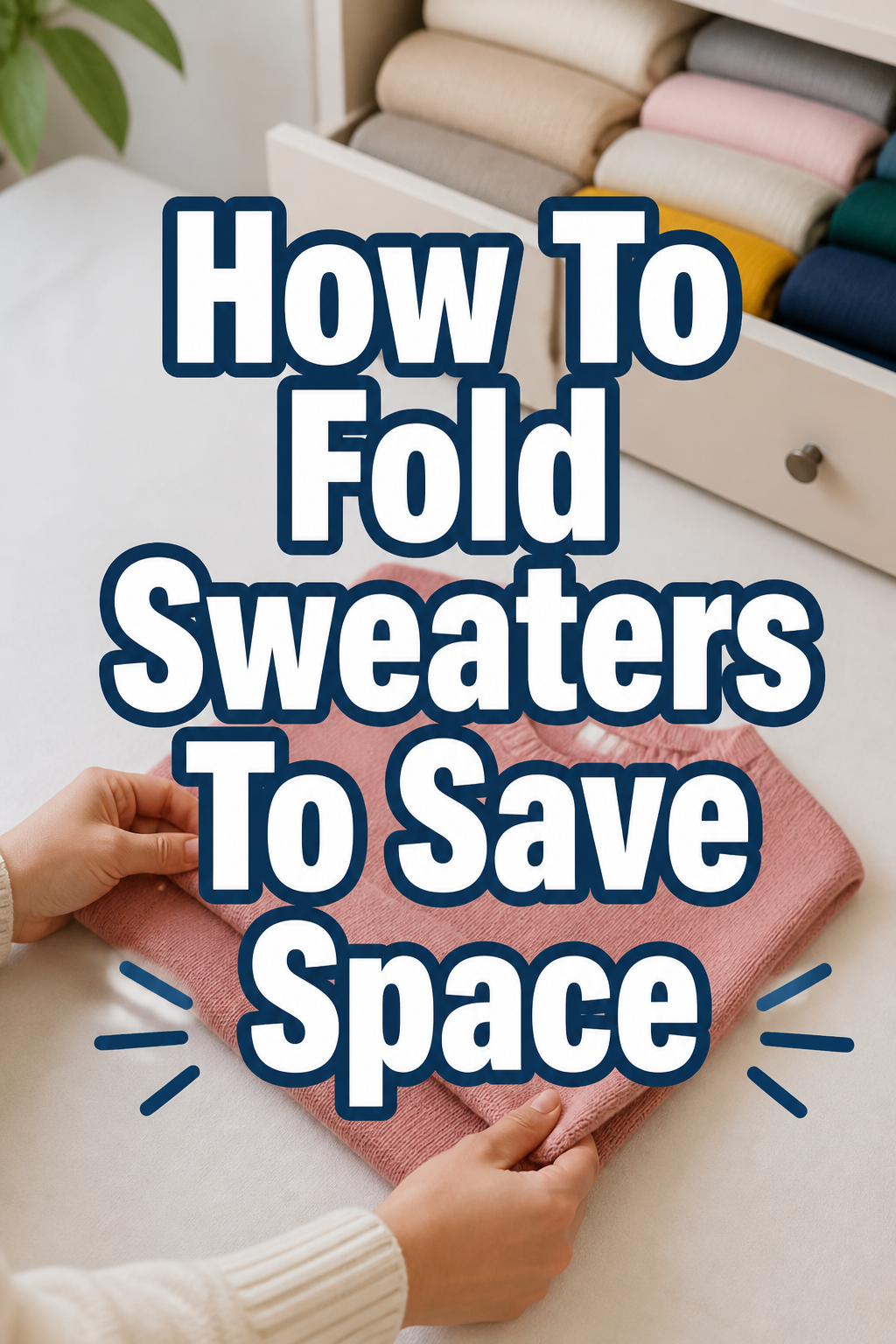
Once folded into its compact rectangle, store your sweater vertically in a drawer or on a shelf.
Arranging sweaters like files allows you to see everything at a glance and prevents piles from toppling over. This method maximizes space and minimizes wrinkles.
Common Mistakes to Avoid
Overstuffing Your Storage
A common pitfall is trying to cram too many folded sweaters into a drawer or onto a shelf. This defeats the purpose of compact folding.
Overstuffing causes wrinkles, makes it hard to retrieve items, and can even damage the fabric. Leave a little breathing room so your sweaters maintain their shape and are easily accessible.
Leaving Sweaters Unfolded for Too Long
Many people let sweaters sit in a laundry basket or on a chair for days. This leads to deep creases and a disorganized wardrobe.
Fold your sweaters as soon as they are clean and dry. This keeps them neat and ready to wear, saving you time and effort later.
Folding When Damp
Folding a sweater that is still slightly damp is a recipe for disaster. Moisture can get trapped in the fabric.
This trapped moisture encourages mildew growth and can leave an unpleasant smell or even permanent damage. Always ensure your sweaters are completely dry before folding and storing.
Using Hangers for Heavy Sweaters
While convenient for some garments, hanging heavy knit sweaters is a common mistake. The weight of the sweater can cause it to stretch out of shape.
Shoulder bumps and distorted necklines are frequent issues. Always fold your heavy sweaters to preserve their original form and extend their lifespan.
Troubleshooting
Sweaters Still Feel Bulky
If your folded sweaters still seem too large, you might be dealing with very thick knits or not folding them tightly enough.
Try the “thirds” folding method more diligently, ensuring each fold is firm and compact. You can also press gently on the folded sweater to release trapped air before placing it in storage.
They Don’t Stand Upright
When your folded sweaters don’t stand vertically, the problem usually lies in loose folds or an uneven base.
Go back to Step 6 and 7, making sure your initial bottom fold is crisp and that the subsequent folds create a stable, flat bottom edge. Practice will improve stability.
Getting Wrinkles After Folding
Wrinkles often appear if the sweater wasn’t completely smooth before folding, or if it’s stored under too much pressure.
Always smooth out the sweater thoroughly in Step 2. Also, avoid overstuffing your drawers or shelves, as this pressure can press new wrinkles into the fabric.
Key Takeaways
- Always start with a clean, flat surface and a smooth, dry sweater.
- Folding sweaters face down helps create a neater, more uniform front.
- Folding sleeves inward and then back towards the center builds a compact rectangle.
- The final fold into halves or thirds is crucial for vertical storage and space-saving.
- Store sweaters vertically to maximize drawer and shelf space and improve visibility.
- Avoid hanging heavy sweaters; folding is always better to maintain their shape.
- Never fold or store damp sweaters to prevent mildew and odors.
Frequently Asked Questions
Can I use this method for all types of sweaters?
Yes, this method works well for most sweater types, from thin cardigans to chunky knits. For very delicate or intricate sweaters, you might want to be extra gentle with each fold to avoid snagging.
Will this folding method prevent wrinkles?
This method significantly reduces wrinkles compared to haphazard folding or stuffing. Starting with a smooth sweater and not overstuffing your storage are key to keeping wrinkles at bay. For very wrinkle-prone fabrics, a quick steam after retrieval might still be helpful.
How can I keep my folded sweaters smelling fresh in storage?
Ensure sweaters are completely dry before folding. You can also place cedar blocks, lavender sachets, or unscented dryer sheets in your drawers or on shelves. Just make sure these items don’t directly touch delicate fabrics for extended periods to avoid discoloration or residue.
Is it better to fold or hang sweaters?
For most sweaters, especially those made of wool, cashmere, or heavy knits, folding is always recommended. Hanging can cause stretching, shoulder bumps, and distortion. Lighter, more structured cardigans might tolerate hangers, but folding remains the safest bet for longevity.
Our Top Recommended Finds
- Drawer Dividers: These help maintain the vertical organization of your folded sweaters, preventing them from toppling over.
- Fabric Storage Bins: Perfect for shelves, these bins keep your folded sweaters contained and dust-free while looking tidy.
- Cedar Blocks: A natural way to deter moths and keep your sweaters smelling fresh without harsh chemicals.
Transform Your Sweater Storage Today
Imagine opening your drawers or closet to a perfectly organized collection of sweaters.
No more digging, no more unfolded piles, just neat, accessible garments ready for wear. This simple folding technique is a small change that yields big results.
Take a few minutes right now to apply these steps to your sweaters. You’ll be amazed at how much space you reclaim and how much calmer your closet feels.