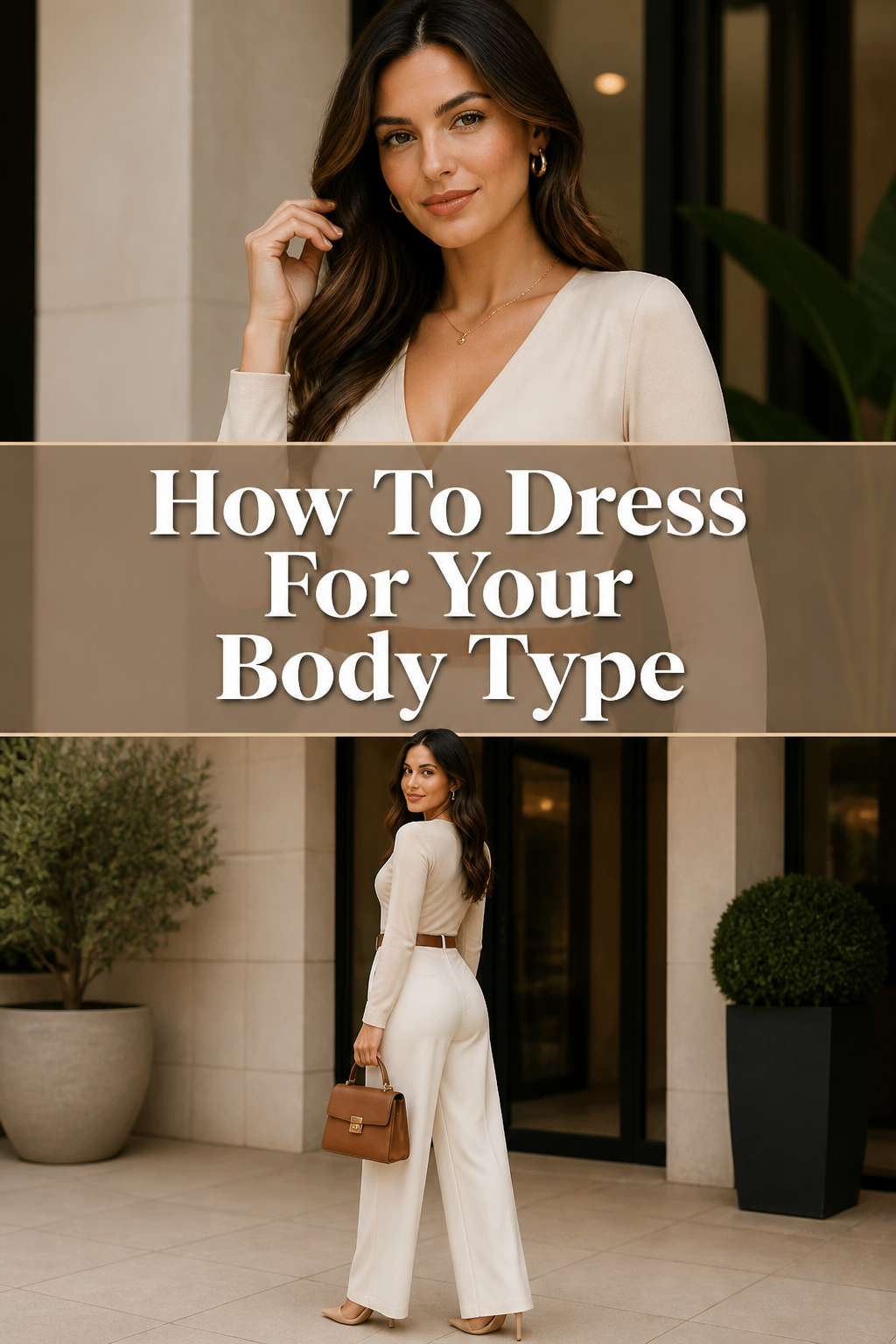
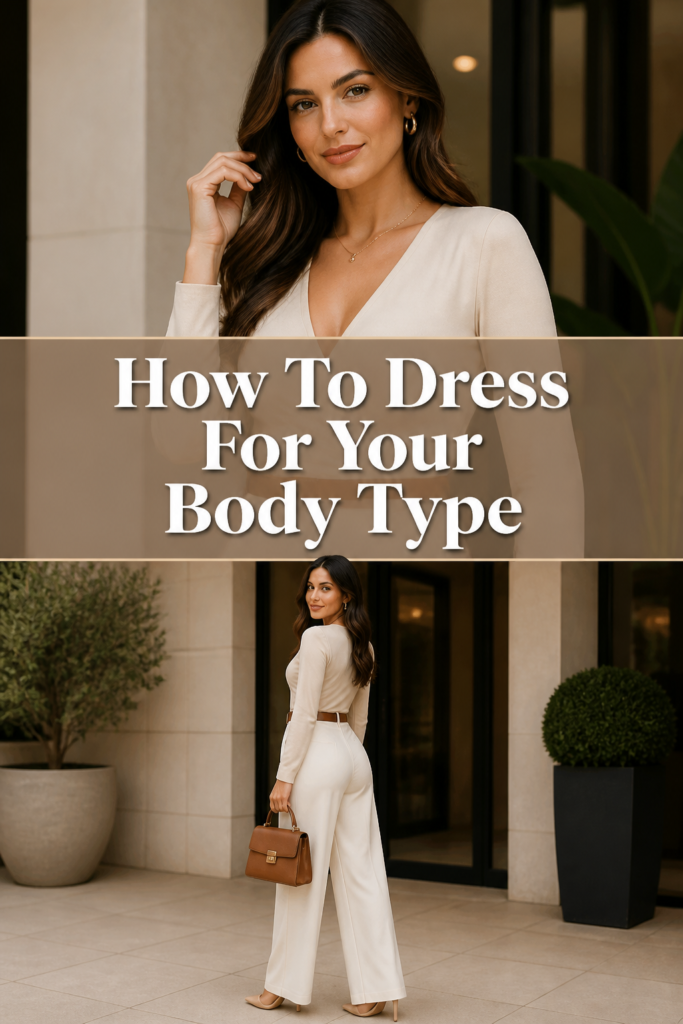
👗 How To Dress For Your Body Type
For years, I struggled to understand why some clothes looked amazing on others but felt awkward on me.
It wasn’t about size or trend, but about how the garment interacted with my unique shape.
This guide will help you decode your silhouette and choose clothes that truly flatter you, building confidence from the inside out.
Quick Overview
This guide will equip you with the knowledge to identify your body type and select clothing that enhances your natural shape. You will learn practical strategies to create visual balance and curate a wardrobe that makes you feel fantastic every day.
- Time needed: 1-3 hours for initial assessment and wardrobe review, ongoing application.
- Difficulty: Beginner
- What you’ll need: A full-length mirror, a flexible measuring tape, your favorite clothes, and an open mind.
Step-by-Step Instructions
Step 1: Understand the Goal – Balance and Proportion
Before diving into specific body types, it’s essential to grasp the core principle: visual balance.
The aim is to create an aesthetically pleasing silhouette, often by visually balancing your shoulders, bust, waist, and hips.
This doesn’t mean hiding or changing your body, but rather accentuating your best features and creating harmonious lines with your clothing.
Think of dressing as an art form where you’re the canvas, using fabric and shape to sculpt your desired visual effect.
Pro Tip: Confidence is your best accessory. The goal of dressing for your body type is to feel comfortable and empowered, not constrained by rules.
Step 2: Identify Your Body Shape
This is the foundational step. Stand in front of a full-length mirror in form-fitting clothes or underwear.
Take measurements of your shoulders (around the widest point), bust (fullest part), waist (narrowest part, usually above your belly button), and hips (fullest part).
Compare these measurements to identify your primary body type. Remember, these are general categories; most people are a blend.
Common Body Shapes:
Apple (Round): Your shoulders, bust, and midsection are wider than your hips. You tend to carry weight around your stomach, with slimmer legs and arms.
Pear (Triangle): Your hips are wider than your bust and shoulders. You often have a defined waist and carry weight in your lower body (hips, thighs, buttocks).
Hourglass: Your bust and hips are roughly equal in width, and you have a well-defined, narrow waist. This shape is naturally balanced.
Rectangle (Straight/Athletic): Your shoulders, bust, waist, and hips are fairly uniform in width. You have less waist definition and a straighter silhouette.
Inverted Triangle: Your shoulders or bust are wider than your hips. You often have broad shoulders and a narrower lower body.
Step 3: Discover Your Best Silhouettes – Tops and Bottoms
Once you know your body type, you can start selecting clothing silhouettes that flatter your shape.
Each shape benefits from different cuts and styles designed to create or enhance balance.
For Apple Shapes: Focus on drawing attention to your upper body and legs. Opt for V-necks, A-line tops, empire waistlines, and tunic tops that skim over your midsection.
Pair these with straight-leg trousers, bootcut jeans, or A-line skirts to show off your legs.
For Pear Shapes: Emphasize your upper body and waist while balancing your wider hips. Choose boat necks, off-the-shoulder tops, bright colors, and bold patterns for your upper half.
A-line skirts, bootcut or wide-leg trousers, and dark-wash jeans will help balance your lower body.
For Hourglass Shapes: Cinch your defined waist to highlight your natural curves. Wrap dresses, fitted tops, tailored jackets, and high-waisted bottoms work beautifully.
Straight-leg, bootcut, or skinny jeans also complement your balanced proportions.
For Rectangle Shapes: Create the illusion of curves and waist definition. Peplum tops, belted dresses, ruffles, and strategic layering add volume to the bust and hips.
Structured jackets, A-line skirts, and bootcut jeans can also enhance your shape.
For Inverted Triangle Shapes: Balance your broad shoulders by adding volume to your lower body. Choose V-necks, scoop necks, and dark colors on top.
Opt for A-line skirts, pleated skirts, wide-leg trousers, and embellished bottoms to create balance.
Step 4: Master Fabric and Texture Choices
The type of fabric and its texture play a significant role in how a garment hangs and looks on your body.
Different materials can add volume, drape smoothly, or create structure, all impacting your overall silhouette.
To add volume: Consider fabrics like chunky knits, bouclé, brocade, or stiff cottons. These are great for areas where you want to create the illusion of fullness, such as the hips for inverted triangles or the bust for rectangles.
To skim and drape: Lightweight, flowing fabrics like silk, rayon, soft jersey, or chiffon are excellent. These materials move beautifully and are ideal for apple shapes who want to glide over their midsection without adding bulk.
To provide structure: Tailored wool, denim, linen, and firm cottons offer shape and hold. These are perfect for creating definition, like tailored jackets for hourglass figures or structured trousers for pear shapes.
Avoid overly clingy fabrics in areas you prefer not to highlight, and bulky fabrics in areas you want to minimize.
Step 5: Utilize Accessories Strategically
Accessories are powerful tools for fine-tuning your outfit and drawing attention to specific areas.
They can help create balance, add a focal point, or enhance your overall look.
Belts: A well-placed belt can be transformative. For hourglass and rectangle shapes, belting at the natural waist instantly creates or emphasizes an hourglass figure.
Apple shapes can use thin belts slightly above their natural waist, or skip them if they feel uncomfortable.
Necklaces and Scarves: Long necklaces can create a vertical line, elongating the torso, which is beneficial for apple and rectangle shapes.
Statement necklaces or scarves can draw attention upwards, away from wider hips for pear shapes, or downwards for inverted triangles.
Bags: The size and placement of your bag matter. Pear shapes might opt for shoulder bags to draw the eye up, while inverted triangles could choose cross-body bags that sit at hip level to add volume there.
Shoes: Heels and pointed-toe shoes can elongate the legs, a great trick for anyone, especially if you have shorter legs or want to create a more streamlined look.
Step 6: Build a Versatile Wardrobe
Once you understand the principles, start curating a wardrobe that truly serves your body type and personal style.
Begin by reviewing your current clothes. Keep what works, tailor what can be improved, and thoughtfully discard what doesn’t flatter you.
Invest in key pieces that are known to work well for your shape. This might include a perfectly tailored jacket, a flattering pair of jeans, or a versatile dress.
Focus on quality over quantity, building a collection of items that mix and match easily.
A versatile wardrobe means you’ll always have something to wear that makes you feel confident and comfortable.
Pro Tip: Don’t be afraid to try different sizes from different brands. Sizing is inconsistent, and what truly matters is how the garment fits your unique body, not the number on the tag.
Step 7: Experiment and Refine Your Style
Dressing for your body type is not a rigid set of rules; it’s a guide to help you make informed choices.
The best way to refine your style is through experimentation. Try on different styles, colors, and combinations.
Take photos of outfits you like and dislike to see what truly works from an objective perspective.
Pay attention to how you feel in the clothes. If you feel good, you’ll look good.
Your body might change over time, and your personal style will evolve, so be open to continuous learning and adaptation.
Common Mistakes to Avoid
Ignoring Comfort
Many people prioritize style over comfort, leading to clothes that pinch, pull, or restrict movement.
An outfit that looks “perfect” but feels uncomfortable will detract from your confidence and ultimately your appearance.
Always ensure your clothes allow you to move freely and feel at ease throughout the day. Comfort and style can, and should, coexist.
Blindly Following Trends
Trends come and go, and not every trend will flatter every body type. Wearing something just because it’s fashionable can lead to unflattering outfits.
Instead, cherry-pick trends that align with your body type and personal style. Adapt trends to work for you, rather than forcing yourself into them.
Comparing Yourself to Others
Seeing how clothes look on models or friends with different body types can be discouraging. Everyone is unique, and what looks great on one person may not suit another.
Focus on celebrating your own shape and finding what makes you feel beautiful and confident. Your journey is uniquely yours.
Sticking to One “Rule” Too Rigidly
While guidelines for body types are helpful, they are not unbreakable laws. Fashion is about self-expression and creativity.
If you love something that technically “breaks the rules,” wear it with confidence! The goal is to feel good, not to adhere to every single suggestion.
Troubleshooting
“Nothing looks right on me.”
This feeling often stems from a lack of understanding about your body’s proportions and what truly flatters it. Revisit Step 2 and 3.
Take your time with measurements and honestly assess your shape. Try shopping in a different section or brand than usual.
Consider consulting a trusted friend or a professional stylist for an objective second opinion.
“I feel restricted by ‘rules’.”
If the guidelines feel limiting, remember they are suggestions, not mandates. True style comes from understanding the principles and then bending them to fit your unique personality.
Start by mastering a few core flattering pieces, then gradually experiment with items that push the boundaries. Confidence in your choices is key.
“My wardrobe still feels disjointed.”
A disjointed wardrobe often lacks a cohesive color palette or versatile foundational pieces. Focus on building a capsule wardrobe with items that mix and match easily.
Choose a core set of neutral colors and add a few accent colors you love. Ensure your tops, bottoms, and layering pieces can be combined in multiple ways.
Key Takeaways
- Understanding your body type is the first step to making informed style choices.
- The primary goal is to create visual balance and highlight your best features.
- Fabric and texture play a crucial role in how clothes drape and add volume.
- Strategic accessories can significantly enhance and complete your outfits.
- Building a versatile wardrobe with flattering pieces will simplify daily dressing.
- Experimentation and personal comfort are more important than rigid fashion rules.
Frequently Asked Questions
Do body types change?
Yes, body types can evolve due to various factors like age, weight fluctuations, pregnancy, or changes in muscle mass. It’s a good practice to reassess your body type periodically, especially if you notice significant changes in how your clothes fit.
Can I wear anything I want?
Absolutely! This guide provides tools to help you choose clothes that flatter your natural shape, but your personal style and comfort are paramount. These are guidelines to empower your choices, not strict rules to limit them. Wear what makes you feel great.
What if I’m in-between body types?
It’s very common to be a blend of two body types. In such cases, focus on the characteristics that are most prominent for you. You can often combine styling advice from both relevant body types, prioritizing the principles that address your main proportions.
Our Top Recommended Finds
- Flexible Tailor’s Measuring Tape: Essential for accurate body measurements to identify your shape.
- Full-Length Mirror: Crucial for seeing your entire silhouette and assessing how outfits look.
- Basic Style Guide Book: A visual resource for understanding different cuts and how they interact with various shapes.
Embrace Your Unique Style Journey
Dressing for your body type is an empowering journey of self-discovery and appreciation.
It’s about understanding your unique form and making choices that celebrate it, not disguise it.
Start today by looking in your mirror, taking those measurements, and experimenting with your existing wardrobe.
Confidence in your clothes translates to confidence in your life. Go ahead, embrace your beautiful shape!