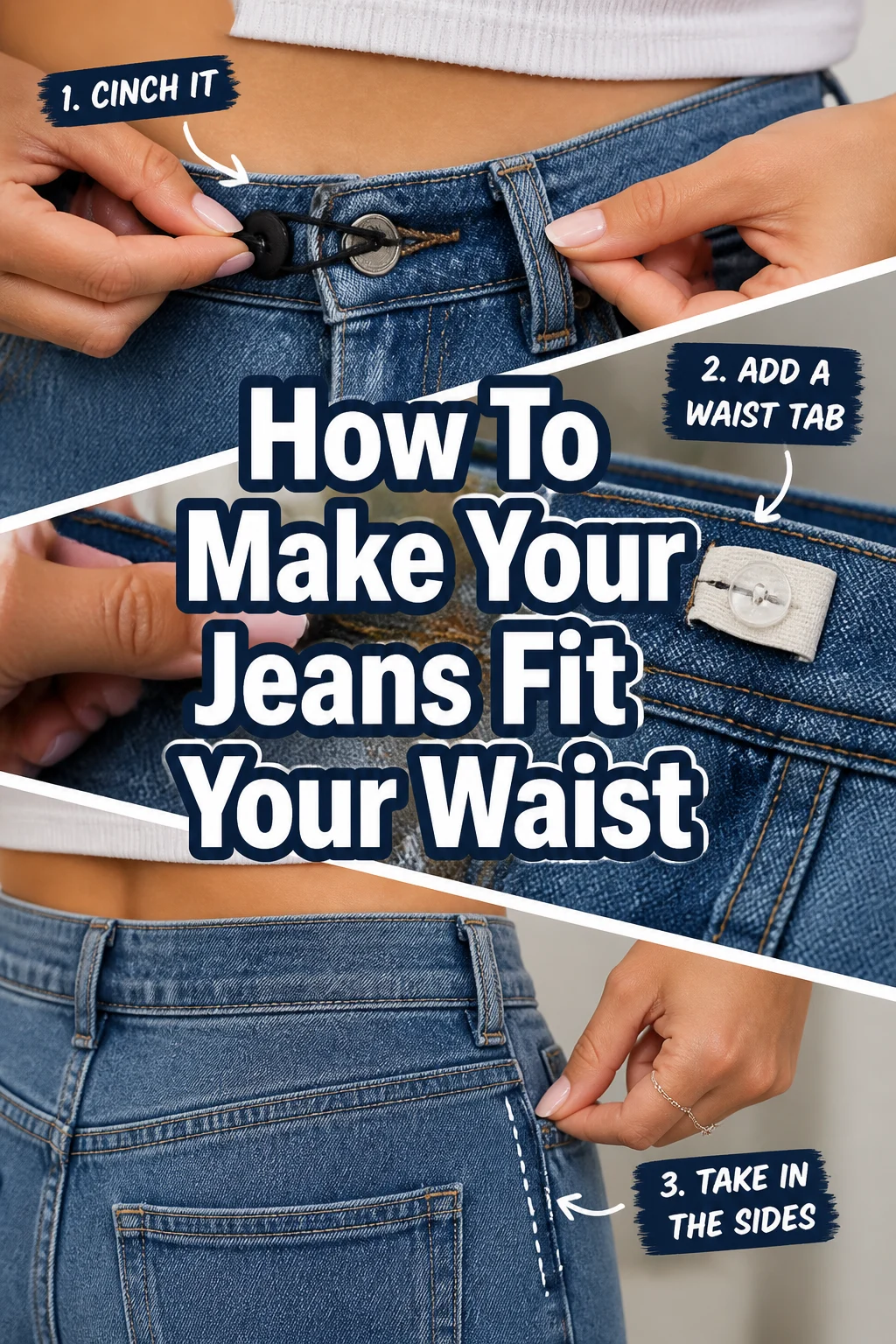
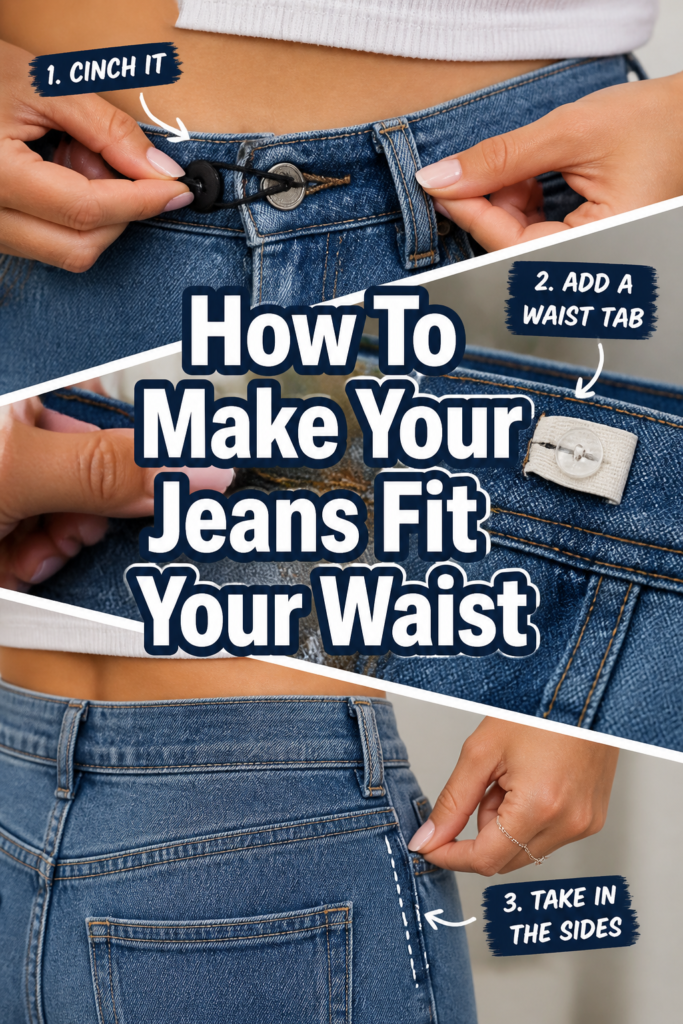
👖 How To Make Your Jeans Fit Your Waist
Finding jeans that fit perfectly is a common challenge for many. The dreaded waist gap can make even the most stylish denim feel uncomfortable and look less flattering. I’ve personally spent years trying to solve this very problem, learning effective tricks along the way.
This guide shares practical, tested methods to help you achieve that snug, tailored fit around your waist. You deserve to feel confident and comfortable in your favorite jeans.
Quick Overview
This guide will walk you through various techniques to adjust your jeans for a perfect waist fit. You’ll learn everything from simple at-home fixes to more permanent alterations. By the end, you’ll have comfortable, well-fitting denim.
- Time needed: 30 minutes to 2 hours (depending on method)
- Difficulty: Beginner to Intermediate
- What you’ll need: Sewing kit, elastic, safety pins, hot water, dryer, measuring tape, tailor’s chalk, iron.
Step-by-Step Instructions
Step 1: Assess the Waist Gap
Put on your jeans and observe the waistline. Identify exactly where the gap occurs and how much extra fabric is present.
Pinch the excess fabric at the back or sides to get an estimate. Determine if the issue is a small gap or a significant amount of loose material.
Step 2: Choose Your Method
Consider the permanency and effort you wish to invest. Simple fixes work for minor gaps, while sewing offers a more lasting solution.
Think about your comfort level with basic sewing. This will help you decide between a DIY alteration or a professional tailor.
Step 3: The Hot Water Shrink Method (Temporary Fix)
Boil a pot of water on the stove. Submerge only the waistband of your jeans into the hot water for about 15-20 minutes.
Remove the jeans and carefully wring out the excess water. Place them in a hot dryer immediately until completely dry.
Pro Tip: This method works best on jeans with a high cotton content. Synthetic blends might not shrink as effectively. Repeat if necessary, but be aware that shrinking can affect the overall fit, not just the waist.
Step 4: The Waistband Elastic Method (DIY Sewing)
Gather a piece of sturdy elastic, about 1 inch wide. Measure the back section of your waistband where the gap is most prominent.
Cut the elastic to be slightly shorter than this measurement, maybe 2-4 inches shorter than the section you want to gather. Turn your jeans inside out.
- Open a small seam on the inside of the waistband, near a side seam or belt loop.
- Thread the elastic through the waistband casing using a safety pin attached to one end.
- Secure one end of the elastic by sewing it firmly to the waistband seam.
- Pull the elastic through until it emerges from the other opening.
- Sew the second end of the elastic securely to the waistband seam, gathering the fabric.
- Stitch the opening closed.
Try on your jeans to check the new fit. This creates a subtle gather that pulls the waist in without being too obvious.
Step 5: Adding Waist Darts (Basic Sewing)
Wear your jeans inside out. Pinch the excess fabric at the back of the waist, creating two small folds.
Mark these folds with tailor’s chalk, creating a triangle shape that tapers down. The dart should be 3-4 inches long.
- Take off the jeans and carefully pin along your chalk lines.
- Sew along the chalk lines from the top of the waistband, tapering to nothing.
- Backstitch at the beginning and end of your stitches to secure them.
- Trim any excess fabric and press the darts flat towards the center.
Try on the jeans to ensure a smooth, tailored finish. Darts are excellent for a more custom-fit appearance.
Step 6: Adjusting Belt Loops (Simple Sewing)
Identify the back center belt loop. Carefully snip the stitching holding it to the waistband at the bottom.
Fold the excess fabric at the back waist evenly on both sides of the center loop. Pin the fabric down to create a new, tighter waistline.
Re-stitch the bottom of the belt loop to secure the new, folded waistband. This creates a subtle cinch at the back.
Pro Tip: This method is quick and effective for small adjustments. It hides the alteration under the belt loop itself, making it almost invisible.
Step 7: The Professional Tailor Option
Find a reputable local tailor. Explain your specific waist fitting issues to them.
Have them take precise measurements and discuss potential alteration methods. A professional can often achieve the most seamless and durable result.
Be prepared to pay for their expertise, as this is the most expensive option. However, it guarantees a high-quality, custom fit.
Step 8: Temporary Solutions for Immediate Wear
Use a belt to cinch in the waist. Look for belts that complement your outfit and effectively hold the waist snug.
Try the shoelace trick: thread a shoelace through the two back belt loops. Pull and tie it tightly on the inside to create a hidden cinch.
Utilize a safety pin to discreetly pull in excess fabric at the back. Pin it on the inside of the waistband for a quick fix.
Common Mistakes to Avoid
Over-Shrinking Your Jeans
Applying too much heat or shrinking the entire garment can lead to an uneven fit. Your jeans might become too tight in the hips or thighs, while the waist still isn’t perfect.
Always target the waist area specifically with heat or use controlled sewing methods. Test the fit frequently to avoid irreversible changes.
Cutting Before Measuring
Impulsively cutting fabric without precise measurements or pins is a recipe for disaster. Once fabric is removed, it’s very difficult to add it back.
Always mark with chalk, pin, and try on your jeans before making any cuts. Take your time to ensure accuracy.
Using Weak Thread or Elastic
When sewing, using flimsy thread or thin elastic can result in quick wear and tear. The alteration won’t hold up to regular use and washing.
Invest in good quality, strong polyester thread and sturdy elastic designed for clothing. This ensures your hard work lasts.
Ignoring the Overall Fit
Focusing solely on the waist can sometimes create new problems. A waist adjustment might make the back pockets pucker or distort the side seams.
Always assess the entire garment after an adjustment. Ensure the new waist fit doesn’t compromise the comfort or appearance of other areas.
Troubleshooting
Waist Still Gaps After Shrinking
If your jeans still have a waist gap after a hot water and dryer treatment, they likely have a lower cotton content or the gap is too significant for this method alone.
Consider moving to a more permanent sewing solution like adding elastic or darts. These methods provide a more targeted and effective adjustment for stubborn gaps.
Darts Look Uneven or Bulky
Uneven darts often happen when the stitching isn’t perfectly straight or doesn’t taper smoothly. Bulky darts can occur if too much fabric is folded or not pressed correctly.
Carefully unpick the stitches and re-pin the darts, ensuring they are symmetrical and taper gently. Press them flat with an iron after sewing to smooth out any bulk.
Elastic Creates Too Much Gathering
If your elastic adjustment makes the back of your jeans look too gathered or bunched, the elastic you used might be too short or too wide for the fabric.
Remove the elastic and try again with a slightly longer piece. Alternatively, use a narrower elastic or consider adding two smaller darts instead for a smoother finish.
Key Takeaways
- Assess your jeans’ fit thoroughly before attempting any adjustments to understand the extent of the gap.
- Choose the right method based on the severity of the gap, your sewing skills, and desired permanency.
- Shrinking works best for minor gaps in high-cotton denim but is a temporary fix.
- Adding elastic or darts offers more permanent and tailored solutions for significant waist gaps.
- Always measure and pin carefully to avoid irreversible mistakes when sewing.
- Consider a professional tailor for the most precise and seamless results, especially for valuable jeans.
Frequently Asked Questions
Can I make jeans smaller in the waist without sewing?
Yes, you can. The hot water and dryer method can temporarily shrink the waist. Additionally, temporary fixes like using a belt, a shoelace threaded through back belt loops, or a hidden safety pin can cinch in the waist without any sewing.
Will washing my jeans in hot water always shrink them?
Washing jeans in hot water and drying them on high heat can induce shrinkage, especially for denim with a high cotton content. However, the extent of shrinkage varies greatly depending on the fabric composition and weave. Jeans with synthetic blends are less likely to shrink significantly.
How much does it cost to have a tailor take in jeans at the waist?
The cost of tailoring jeans at the waist can vary widely based on your location and the complexity of the alteration. Simple darting or taking in the back seam might cost $15-$30, while more complex adjustments involving side seams or intricate stitching could be $30-$50 or more. Always get a quote first.
Can I use fabric glue instead of sewing for waist adjustments?
While fabric glue can be used for very minor, temporary fixes, it’s not recommended for a durable waist adjustment. The stress on the waistband from wearing and washing means glue is likely to fail, leading to an uncomfortable and unreliable fit. Sewing offers a much stronger and lasting solution.
Our Top Recommended Finds
- Basic Sewing Kit: Essential for any DIY alteration, including needles, thread, scissors, and a thimble.
- Sturdy Elastic (1-inch width): Ideal for the waistband elastic method, ensuring a durable and comfortable cinch.
- Tailor’s Chalk Wheel: Provides precise, easy-to-remove markings on fabric, crucial for accurate dart placement.
Embrace Your Perfect Fit Today
Don’t settle for ill-fitting jeans that leave you feeling less than your best. Taking the time to adjust your denim can transform your entire outfit and boost your confidence. Whether you opt for a simple shrink or a careful sewing project, the effort is truly worth it.
Start with one pair of jeans and apply a method that feels right for you. You might be surprised at how easy it is to achieve that tailored look at home. Once you master the technique, you’ll be able to customize your entire denim collection.