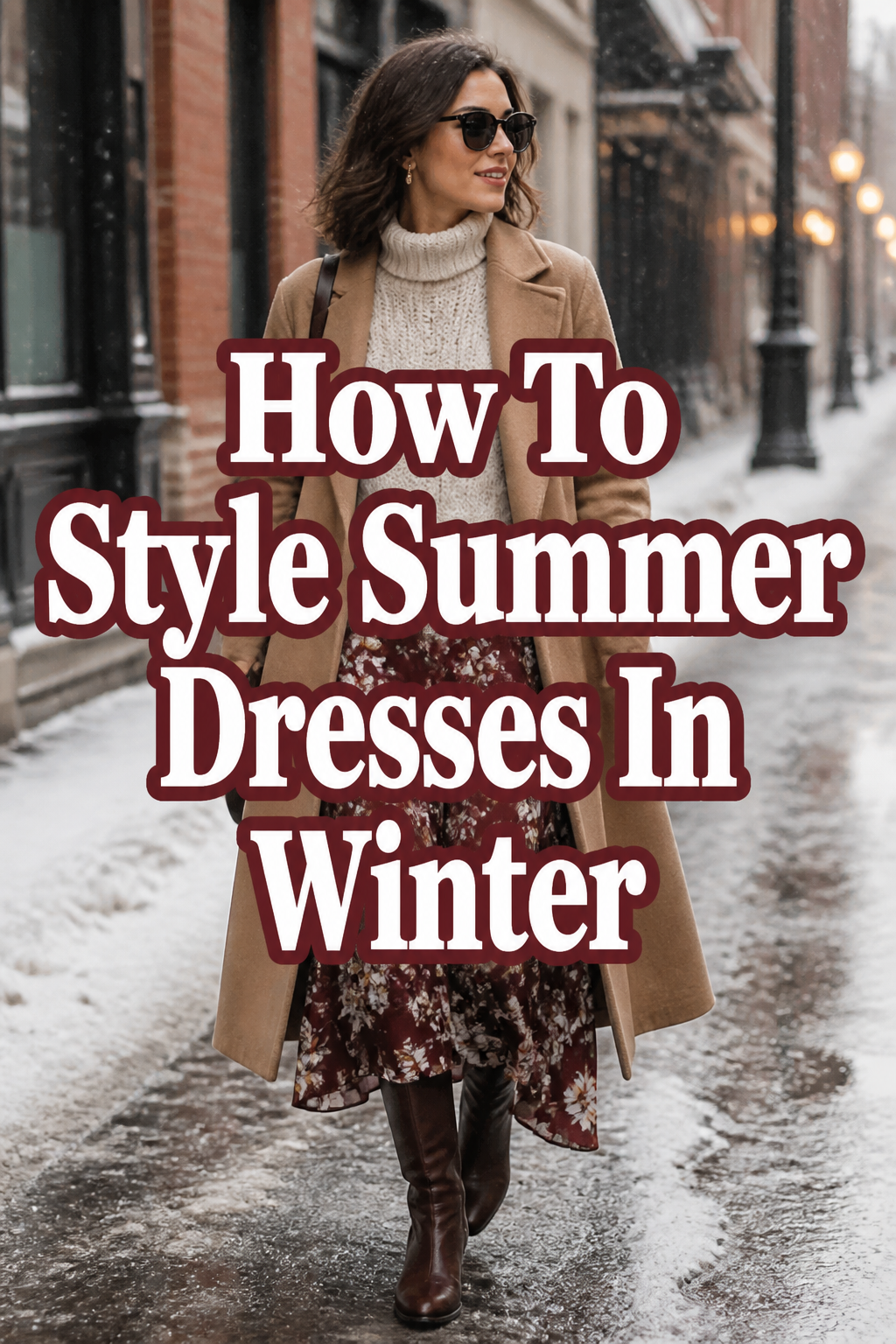
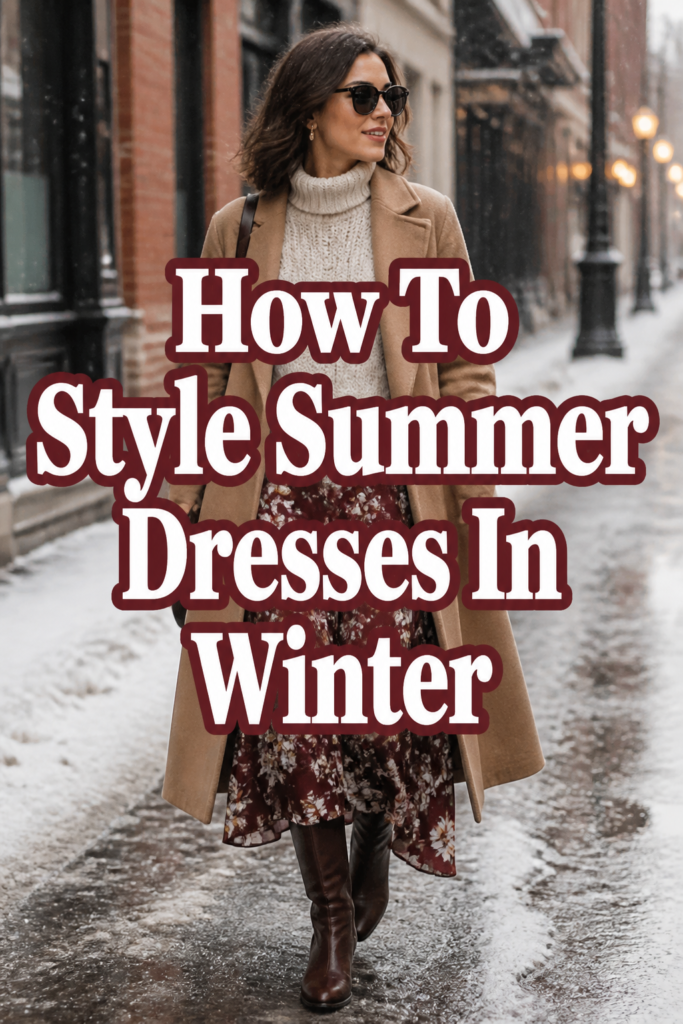
❄️ How To Style Summer Dresses In Winter
I used to pack away all my beloved summer dresses as soon as the leaves started to turn. It felt like a shame to only wear them for a few months out of the year. Through some trial and error, I discovered the magic of seasonless styling. This guide comes from my own experience transforming flimsy fabrics into cozy, chic winter ensembles.
Quick Overview
This guide will help you extend the life of your favorite summer dresses, making them versatile pieces for colder weather. You’ll learn simple layering techniques and smart accessory choices. By the end, you’ll feel confident creating stylish, warm outfits.
- Time needed: 15-30 minutes per outfit
- Difficulty: Beginner
- What you’ll need: Summer dresses, various sweaters, long-sleeved tops, tights, boots, scarves, belts, jackets, coats.
Step-by-Step Instructions
Step 1: Choose Your Base Dress Wisely
Not all summer dresses are created equal for winter styling. Start with dresses made from slightly heavier fabrics like cotton, denim, or even a thicker rayon blend. Lightweight linen or sheer chiffon might be too challenging to warm up effectively.
Opt for dresses with a simpler silhouette. A-line, slip dresses, or shift dresses work best as they layer easily without adding too much bulk. Avoid overly ruffled or voluminous styles that can look awkward under sweaters.
Step 2: Layer a Warm Base Underneath
This is your first line of defense against the cold. Wear a long-sleeved thermal top or a thin turtleneck underneath your summer dress. Choose neutral colors like black, white, cream, or grey for maximum versatility.
For sleeveless or spaghetti strap dresses, a fitted long-sleeve tee is perfect. It provides warmth without overwhelming the dress’s design. Make sure the sleeves are snug so they don’t bunch up.
Pro Tip: Merino wool or silk blend base layers offer excellent warmth without bulk. They are breathable and comfortable against the skin.
Step 3: Add a Sweater or Cardigan Over the Top
Transform your dress into a skirt by layering a chunky knit sweater or a soft cardigan over it. This creates a completely new look and adds significant warmth. Experiment with different lengths and textures.
A cropped sweater can highlight your waist, especially if you cinch it with a belt. An oversized, slouchy cardigan offers a more relaxed, bohemian vibe. Make sure the sweater isn’t too tight, allowing the dress fabric to drape naturally underneath.
Step 4: Introduce Tights or Leggings
Bare legs are a definite no-go in winter. Pair your dress with warm tights, leggings, or even thermal underwear. Opaque tights in 80 denier or higher are ideal for warmth and coverage.
Consider fleece-lined tights for extra insulation on very cold days. Patterned or textured tights can also add a stylish element to an otherwise simple outfit. Darker colors like black, charcoal, or deep navy are always a safe bet.
Step 5: Select Appropriate Footwear
Your shoe choice is crucial for both warmth and style. Opt for boots – ankle boots, knee-high boots, or even over-the-knee boots. They provide excellent coverage and warmth for your feet and legs.
Avoid open-toed shoes or delicate sandals. Leather or suede boots are practical and chic, especially those with a sturdy sole for icy conditions. Make sure your boots are comfortable for walking and complement the overall look.
Pro Tip: For extra warmth, wear wool socks inside your boots. They are surprisingly effective and can be hidden easily.
Step 6: Cinch and Define with a Belt
Layering can sometimes make an outfit feel shapeless. Add a belt to define your waist and create a more flattering silhouette. This is especially useful when wearing an oversized sweater over a dress.
A wide belt can make a statement, while a thin belt offers subtle definition. Experiment with different belt materials, such as leather, suede, or even a woven fabric, to add texture. Place the belt at your natural waist or slightly higher for an empire look.
Step 7: Accessorize for Warmth and Style
Accessories are not just for decoration; they add crucial warmth. Incorporate scarves, hats, and gloves into your outfit. A chunky knit scarf can add a pop of color and keep your neck warm.
A stylish beanie or a wide-brimmed wool hat can complete your look while protecting your head from the cold. Leather gloves or knitted mittens are essential for keeping your hands toasty. Choose accessories that complement your dress and outerwear.
Step 8: Choose Your Outerwear Carefully
Your final layer pulls the entire outfit together. Select a coat or jacket that provides sufficient warmth and works with the length of your dress. A long wool coat looks elegant over a maxi dress.
A tailored blazer can add a sophisticated touch over a midi dress for a more formal setting. For casual days, a puffer jacket or a denim jacket lined with shearling can be a stylish choice. Ensure your outerwear doesn’t clash with the dress’s style or color.
Step 9: Play with Textures and Colors
Winter styling is all about rich textures and deeper colors. Mix different fabrics like knitwear, wool, leather, and denim to create visual interest. This prevents your layered outfit from looking flat.
While summer dresses often feature bright prints, balance them with solid, muted tones in your layers. For example, a floral summer dress can be grounded with a black turtleneck, dark tights, and a camel coat. This creates a sophisticated contrast.
Common Mistakes to Avoid
Ignoring Fabric Weights
Trying to style a very thin, delicate summer dress in freezing temperatures can be a losing battle. The fabric might feel out of place and you’ll likely still be cold, no matter how many layers you add. Instead, focus on summer dresses with a bit more heft. These provide a better foundation for winter layering.
Over-layering Without Definition
Adding too many bulky layers without any structure can make your outfit look shapeless. This often results in a frumpy appearance rather than a chic one. Always remember to incorporate a belt or choose fitted base layers to maintain some definition.
Forgetting About Leg Warmth
It’s easy to focus on the upper body and forget about your legs. Going without adequate leg coverage will leave you feeling chilly and uncomfortable. Always prioritize warm tights, leggings, or even thermal pants under your dresses.
Mismatched Footwear
Wearing delicate summer shoes or open-toed heels with a heavily layered winter outfit looks disjointed. It also fails to provide the necessary warmth. Always opt for closed-toe, sturdy boots or warm flats that are appropriate for cold weather.
Troubleshooting
My Outfit Feels Too Bulky
If your layered look feels cumbersome, you might be using layers that are too thick. Try swapping out a chunky sweater for a thinner, fine-knit merino wool or cashmere option. Opt for seamless base layers to reduce bulk.
Consider a dress with a simpler silhouette that drapes well. A slip dress, for example, layers very smoothly. A belt can also help to cinch everything in and create a more defined waistline.
I’m Still Feeling Cold
Even with layers, some dresses might not provide enough warmth. Double-check your base layers; are they thermal or simply thin cotton? Upgrade to fleece-lined tights or wear two pairs of regular tights.
Ensure your outerwear is truly warm enough for the temperature. A wool coat or a well-insulated puffer jacket makes a significant difference. Don’t forget accessories like a thick scarf, hat, and gloves.
My Outfit Looks Unbalanced
If your summer dress seems to clash with your winter layers, check the color and texture combinations. A bright floral dress might need neutral, solid-colored layers to ground it. Avoid mixing too many competing patterns.
Pay attention to proportions. If your dress is very long, pair it with a shorter jacket or a sweater tucked in with a belt. If it’s a shorter dress, knee-high or over-the-knee boots can balance the look.
Key Takeaways
- Layering is Key: Start with thin, warm base layers and build up with sweaters and cardigans.
- Define Your Waist: Use belts to prevent a shapeless look, especially when layering multiple items.
- Prioritize Warmth: Don’t compromise on tights, boots, and appropriate outerwear for comfort.
- Mix Textures: Combine different fabrics like wool, knit, and leather for visual interest.
- Choose Wisely: Select summer dresses made from slightly heavier fabrics for easier winter transition.
- Accessorize Smartly: Scarves, hats, and gloves are essential for both warmth and completing your look.
Frequently Asked Questions
Can I wear any summer dress in winter?
While you can technically try to style any dress, those made from slightly heavier fabrics like cotton, denim, or thicker blends will be much easier to adapt. Very light or sheer fabrics like chiffon might struggle to provide enough warmth and can look out of place.
What kind of tights are best for winter?
Opaque tights with a denier count of 80 or higher are excellent for warmth. Fleece-lined tights offer superior insulation for very cold days. Wool or thermal leggings can also be worn for extra comfort and warmth.
How do I prevent my layers from looking bulky?
The trick is to use thin, fitted base layers made from materials like merino wool or silk. Choose dresses with simpler, less voluminous silhouettes. When adding sweaters, opt for fine knits or ensure they are not overly chunky. A belt is also crucial for cinching the waist and creating definition.
What’s the best way to choose a coat for this style?
Consider the length of your dress. A long wool coat pairs beautifully with maxi or midi dresses for an elegant look. For shorter dresses, a tailored peacoat or a stylish puffer jacket works well. Ensure the coat is warm enough for the weather and complements the colors in your outfit.
Our Top Recommended Finds
- Merino Wool Base Layer Tops: Incredibly warm yet thin, perfect for layering under any dress.
- Fleece-Lined Opaque Tights: Essential for keeping your legs toasty without sacrificing style.
- Chunky Knit Cardigan: Versatile for throwing over dresses, adding texture and warmth.
Embrace Your Wardrobe’s Full Potential
Don’t let the colder months dictate your entire wardrobe. With these simple strategies, your favorite summer dresses can become year-round staples. It’s about smart layering and thoughtful accessorizing, not buying a whole new closet.
Start experimenting with your existing pieces today. You might discover new favorite outfits you never expected. The joy of extending your wardrobe’s versatility is truly rewarding.