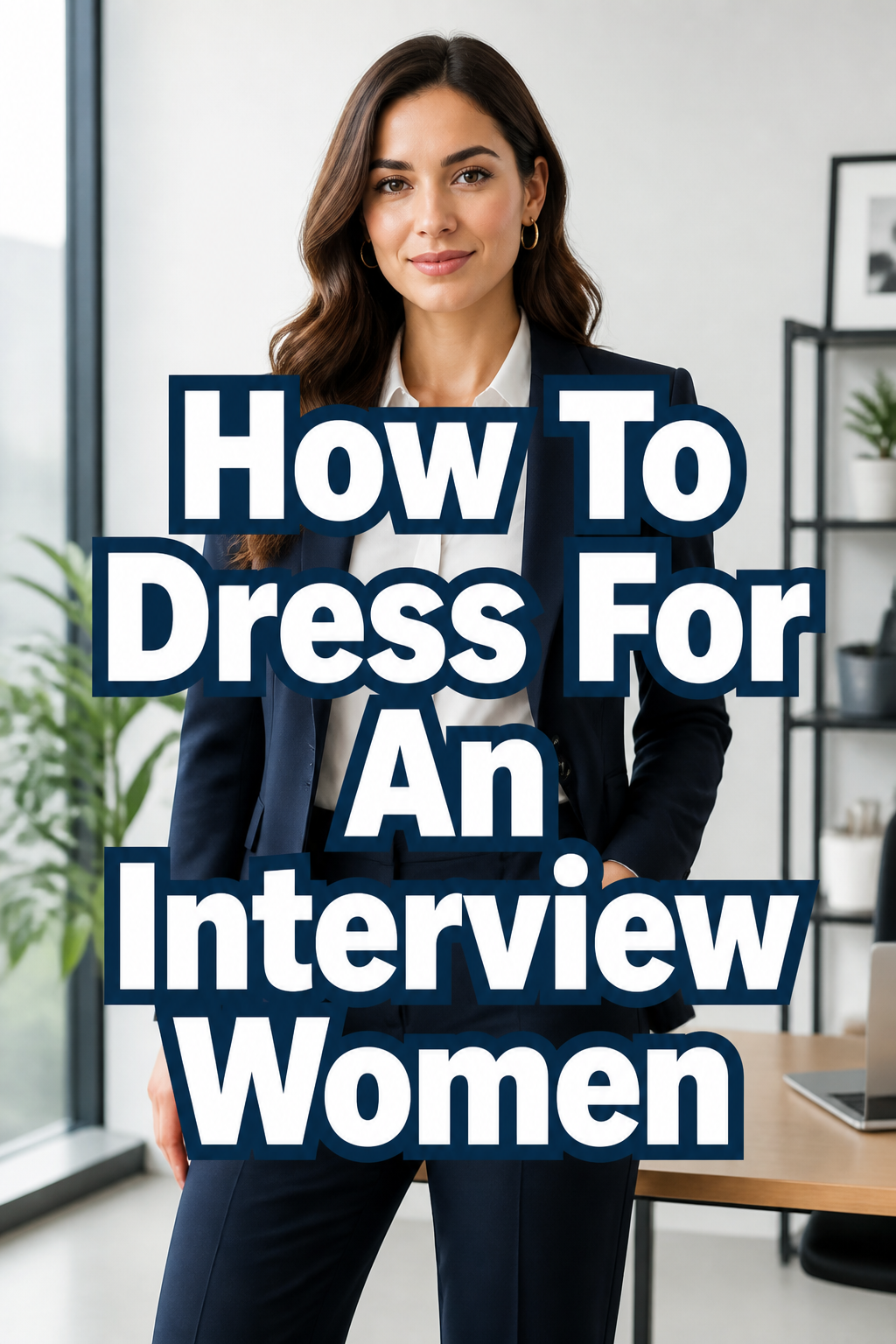
👗 How To Dress For An Interview Women
Preparing for an interview can feel overwhelming, especially when deciding what to wear. Your attire speaks volumes before you even utter a word. I’ve personally experienced the confidence boost a well-chosen outfit provides, and the subtle edge it gives in a competitive environment. This guide will help you project professionalism and competence effortlessly.
Quick Overview
This guide will walk you through selecting the perfect interview outfit, ensuring you make a strong, positive impression. You’ll learn how to choose appropriate clothing, accessories, and grooming details for various professional settings.
- Time needed: 1-2 hours for preparation and selection
- Difficulty: Beginner
- What you’ll need: Professional clothing items, basic accessories, grooming essentials
Step-by-Step Instructions
Step 1: Research the Company Culture
Before selecting any item, investigate the company’s environment. Look at their website, social media, and employee profiles on LinkedIn. Are they a traditional corporate firm, a creative agency, or a tech startup?
Understanding the culture dictates the level of formality required. A conservative financial institution will expect different attire than a casual, innovative tech company. This initial research is crucial for tailoring your look.
Pro Tip: If unsure, always lean towards slightly more formal. It’s better to be overdressed than underdressed for an interview.
Step 2: Choose Your Core Outfit Type
Based on your research, decide between a full suit, professional separates, or smart business casual. A full suit (matching jacket and trousers or skirt) is the safest and most formal option. It conveys serious professionalism.
Professional separates involve a coordinated blazer with a different colored skirt or trousers, or a professional dress with a blazer. This offers flexibility while maintaining a polished look. Smart business casual might include tailored trousers or a skirt with a blouse and a cardigan, suitable for less formal environments.
Step 3: Select Appropriate Colors and Patterns
Stick to conservative colors for interviews. Navy, charcoal gray, and black are excellent choices as they project authority and seriousness. Lighter neutrals like taupe or cream can also work, especially for blouses.
Avoid bright, distracting colors or loud patterns. Subtle patterns like pinstripes or a muted check are generally acceptable for suits. The goal is to appear polished, not to draw attention away from your qualifications.
Step 4: Focus on Fit and Tailoring
Ill-fitting clothes can undermine even the most expensive outfit. Ensure your clothing fits well – not too tight, not too loose. A well-tailored garment looks sharp and professional.
Sleeves should hit at the wrist, and trousers should skim the top of your shoes. Skirts should be knee-length or slightly longer. Invest in basic alterations if needed; it makes a significant difference.
Step 5: Accessorize Thoughtfully
Less is often more when it comes to accessories for an interview. Choose simple, classic pieces that complement your outfit without distracting. A delicate necklace, stud earrings, or a classic watch are appropriate.
Avoid large, dangling earrings, chunky necklaces, or stacks of bracelets that might jingle. Your handbag should be professional and understated, large enough to hold your resume and essentials, but not overly bulky.
Step 6: Choose Professional Footwear
Closed-toe shoes with a modest heel (1-3 inches) or polished flats are ideal. Ensure your shoes are clean, polished, and in good repair. Scuffed or worn shoes can detract from an otherwise perfect outfit.
Avoid open-toed shoes, overly high heels, sneakers, or casual sandals. Your footwear should be comfortable enough to walk confidently, but also professional.
Step 7: Master Hair and Makeup
Your hair should be neat, clean, and styled professionally. If it’s long, consider pulling it back in a low bun, ponytail, or half-up style to keep it out of your face. For shorter hair, ensure it’s neatly combed.
Makeup should be natural and understated. Aim for a fresh, polished look that enhances your features without being distracting. Avoid heavy foundation, bright eyeshadows, or bold lip colors.
Step 8: Pay Attention to Grooming Details
These small details can make a big impact. Ensure your nails are clean, neatly trimmed, and if polished, choose a neutral or clear color. Avoid chipped polish.
Limit fragrance to a very light application or skip it entirely. Some people are sensitive to scents, and a strong perfume can be off-putting. Check for any loose threads, lint, or wrinkles on your clothing before you leave.
Step 9: Practice Your Presentation
Once your outfit is ready, try it on and practice moving in it. Sit, stand, and walk to ensure everything feels comfortable and looks appropriate. This practice builds confidence.
Confirm you have all necessary items like your resume, a pen, and a notepad. A final mirror check ensures you project the professional image you intend.
Common Mistakes to Avoid
Overdressing or Underdressing
Misjudging the company culture is a common pitfall. Going to a casual startup in a full power suit might make you seem out of touch, just as showing up to a corporate firm in jeans is a definite no. Always aim to match or slightly exceed the expected formality.
Ill-Fitting or Wrinkled Clothes
Clothing that is too tight, too loose, or visibly wrinkled conveys a lack of attention to detail. This can subtly signal carelessness to an interviewer. Always ensure your clothes are clean, pressed, and properly tailored for a sharp appearance.
Distracting Accessories or Makeup
While accessories can complete an outfit, too many or overly bold choices can become a distraction. Similarly, heavy or dramatic makeup can draw focus away from your qualifications. The goal is to enhance your professional image, not to create a spectacle.
Strong Fragrances
A powerful perfume or cologne can be very off-putting in a close interview setting. Many individuals have sensitivities or allergies to strong scents. It is always best to opt for no fragrance or a very subtle application to avoid any discomfort.
Troubleshooting
Last-Minute Stain on Clothing
If you discover a small stain right before leaving, try to blot it gently with a damp cloth and a tiny bit of mild soap if available. For stubborn spots, consider a quick change if you have a backup. If not, strategically place your handbag or portfolio to obscure it.
Wrinkled Outfit
If your outfit has unexpected wrinkles, a quick steam in the bathroom can help. Hang the item while you shower, or use a travel-sized steamer if you have one. If time is extremely limited, focus on smoothing out the most visible areas like the lapels and front panels.
Uncomfortable Shoes
Breaking in new shoes before an interview is critical. If your shoes suddenly feel uncomfortable, try to discreetly shift your weight or take short breaks from standing. Avoid fidgeting or showing discomfort, as it can be distracting. A backup pair of flats in your bag can be a lifesaver for the commute.
Key Takeaways
- Always research the company culture to guide your attire choice.
- Prioritize a well-fitting, clean, and pressed outfit in conservative colors.
- Choose professional shoes and minimal, classic accessories.
- Maintain neat hair, natural makeup, and subtle grooming.
- Practice wearing your chosen outfit to ensure comfort and confidence.
- Avoid strong perfumes and overly distracting elements.
Frequently Asked Questions
Is it okay to wear pants instead of a skirt?
Absolutely, tailored trousers are perfectly acceptable and often preferred in many professional settings. The key is to ensure they are well-fitting, clean, and pressed, just like a skirt or suit.
What if I don’t own a full suit?
You don’t always need a full suit. Professional separates, such as a well-fitting blazer paired with tailored trousers or a skirt in a complementary color, can be just as effective. Ensure the pieces look intentional and polished together.
Can I wear bright colors if the company is creative?
Even for creative industries, it’s generally best to keep your interview attire professional. You can infuse personality through a subtle pop of color in a blouse or a unique but understated accessory. Avoid anything too flamboyant that might distract from your skills.
Should I bring a large bag or a small clutch?
A medium-sized, professional handbag is ideal. It should be large enough to hold your resume, a pen, and any essential personal items, but not so large that it feels cumbersome. A small clutch is usually too casual for an interview.
Our Top Recommended Finds
- A classic navy or charcoal blazer: This versatile piece can elevate almost any professional outfit, offering endless pairing possibilities.
- Comfortable, low-heeled pumps: A pair that offers both elegance and comfort will be invaluable for interviews and beyond.
- A tailored dress or trousers: Essential foundation pieces that can be mixed and matched with different blouses and blazers.
Step Confidently into Your Next Opportunity
Dressing for an interview is more than just putting on clothes; it’s about presenting your best self and showing respect for the opportunity. By following these practical steps, you’ll project confidence, competence, and professionalism, allowing your skills and personality to shine through. Take the time to prepare your outfit thoughtfully, and you’ll walk into that interview feeling empowered and ready to succeed. Now, go ace that interview!